
Cristiano Ronaldo’s Sister Slams Portugal Team, Backs Bruno Fernandes Criticism
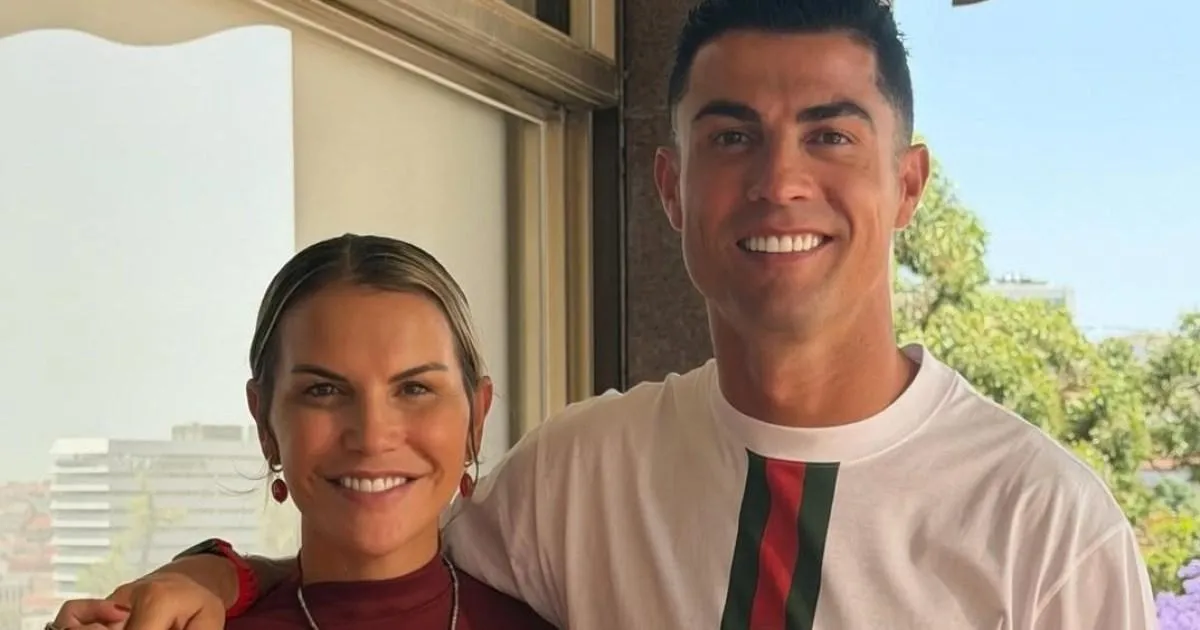
Cristiano Ronaldo s sister slams Portugal – In a striking statement, Cristiano Ronaldo’s sister Katia Aveiro has openly criticized Portugal’s performance in the World Cup, aligning herself with the growing backlash against the team’s tactics and key players. Her recent Instagram post has sparked fresh discussion about the squad’s cohesion, particularly highlighting the struggles of the group during their Group K opener. Aveiro’s remarks, which emphasize a lack of focus and tactical discipline, have drawn attention to the broader concerns about Portugal’s ability to compete at the highest level, despite their star-studded roster.
Disappointment in Early Group K Showings
Portugal’s opening match against DR Congo ended in a 1-1 draw, revealing weaknesses in their strategy and execution. Joao Neves’ early goal was met with mixed reactions, as the team failed to maintain momentum. DR Congo’s Yoane Wissa later equalized, exposing a lack of consistency that has left fans questioning the squad’s readiness. The match highlighted Portugal’s reliance on individual brilliance rather than collective teamwork, with critics pointing to the team’s inability to capitalize on opportunities under pressure.
“The game became all about passing backwards in midfield,” Katia Aveiro wrote, echoing the frustration felt by many supporters. Her post underscored the perception that Portugal’s players are not living up to their potential, especially when it comes to delivering decisive performances during crucial moments. The criticism extends beyond Ronaldo, with fans demanding more accountability from the entire team as they navigate the challenges of the tournament.
Katia Aveiro’s Broader Team Critique
Aveiro’s comments were not limited to Ronaldo’s performance, as she targeted the team’s overall approach. “We didn’t play well, nobody played well,” she stated, emphasizing that the entire squad shares responsibility for the draw. Her focus on Portugal’s tactical shortcomings suggests a deeper analysis of the squad’s strategy, particularly in the midfield where coordination has been lacking. The family’s public dissent adds weight to the growing pressure on the team to improve, especially as they face tougher opponents in upcoming matches.
The post also indirectly endorsed the criticism of Bruno Fernandes, who has been a focal point of debate among fans and analysts. By liking a viral thread that accused the Manchester United captain of underperforming, Aveiro signaled agreement with those who feel Fernandes hasn’t stepped up in high-stakes moments. Critics argue that his individual talent hasn’t translated into consistent leadership, leaving Portugal vulnerable during key phases of the game.
Ronaldo’s Defenders Amidst Growing Pressure
Despite the criticism, Portugal’s defenders have defended Ronaldo’s role in the team. Ruben Dias, the squad’s center-back, acknowledged the scrutiny but stressed that the team’s struggles are shared. “Cristiano is a major focus of attention, but I think we’re all involved,” he said, highlighting the collective effort required to turn around their fortunes. His comments reflect the tension between individual accountability and team performance, as supporters debate whether Ronaldo’s age or form is the primary issue.
“Above all, apart from what I just said, I don’t think anything out of the ordinary is happening. It’s always been like this since I’ve been here,” Dias added, suggesting that the team’s difficulties are part of a long-standing pattern. This perspective contrasts with Katia Aveiro’s more pointed critique, showcasing the diverse opinions within Portugal’s football community as they seek to address the challenges ahead.
A Family Perspective on National Team Pressures
Katia Aveiro’s criticism brings a personal dimension to the debate, as she represents the family support system behind one of football’s most iconic players. Her post, which resonates with fans who feel the team has not met expectations, adds to the pressure on players to perform under the spotlight. The emotional weight of such public statements underscores the high stakes of the World Cup and the expectations placed on Portugal to deliver strong results.
Meanwhile, the broader narrative of the tournament continues to evolve, with Portugal’s position in Group K becoming a focal point for analysis. As the team faces Uzbekistan next, the pressure to improve will intensify, and the comments from Aveiro and Dias highlight the internal dynamics shaping their approach. The debate over leadership and tactical execution is far from over, with fans and analysts closely watching how the squad responds to these challenges.