
New threats and tensions rattle Iran ceasefire and test peace push
New threats and tensions rattle Iran ceasefire and test peace push
As the Iran ceasefire and ongoing peace discussions face uncertainty, escalating tensions over the critical Strait of Hormuz have cast doubt on the stability of the agreement. The strategic waterway, a symbol of Tehran’s growing influence, remains a flashpoint as the conflict intensifies. Despite President Donald Trump’s Friday claim that Iran had “agreed to everything,” the optimism quickly faded by Sunday, with the president once again vowing to target Iran’s infrastructure and the country reasserting control of the strait.
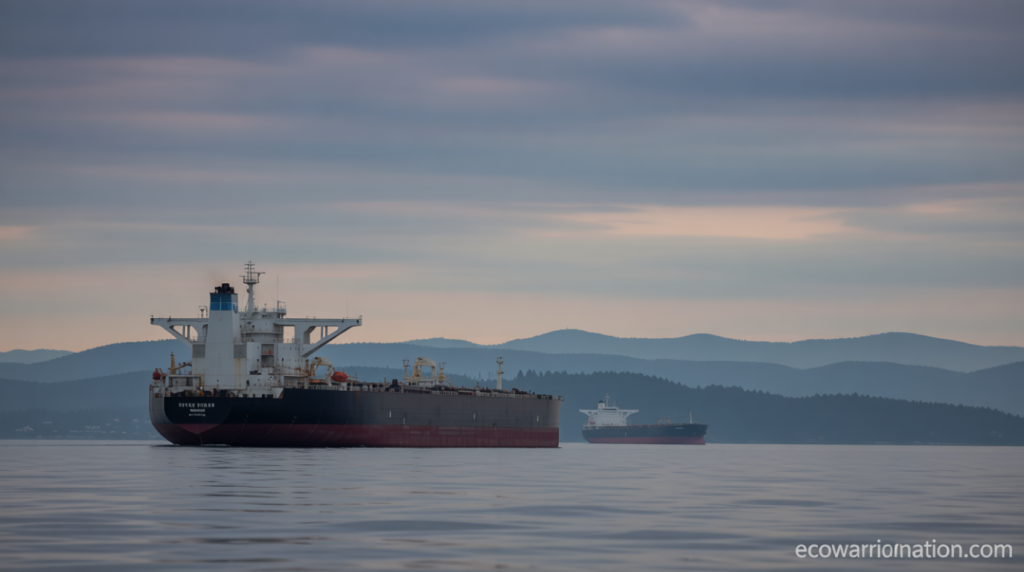
The recent clash between U.S. and Iranian forces highlighted deepening mistrust. On Friday, the U.S. Navy intercepted and detained an Iranian freighter attempting to bypass a blockade, an incident that underscored the fragile diplomatic climate. This action, combined with Tehran’s decision to shut down the Strait of Hormuz, signaled a renewed readiness for confrontation. Analysts note that Trump’s approach to the conflict oscillates rapidly between confident declarations of peace and warnings of military escalation, creating a volatile atmosphere.
Trump’s Diplomatic Dilemma
While Trump’s aides argue that the administration is using economic and military pressure to compel Iran into a deal, critics accuse him of lacking a coherent strategy. The White House’s latest move to restart talks in Pakistan looms as a test of this tactic, with the ceasefire set to expire on Tuesday. Success or failure of these negotiations could determine whether Trump’s reliance on intimidation continues to yield results or if it’s beginning to lose traction.
“The president is looking for maximum leverage,” said Energy Secretary Chris Wright. “He’s not worried because chatter and noise in Iran show a regime that’s falling apart, and the end of the war is not too far away.”
Wright also emphasized the administration’s handling of the energy crisis, citing a decline in oil prices and a potential breakthrough in negotiations. However, Iran’s recent actions and statements have sparked questions about the validity of its concessions. Amid this backdrop, U.S. Ambassador to the UN Mike Waltz echoed similar optimism on CBS’ “Face the Nation,” stating that Iran’s leadership was “more fragmented than ever” and that its isolation had reached a peak.
“Iran does not have the cards, and we are confident they will come to the table and finally give up their obsession with a nuclear weapon,” Waltz remarked. The administration’s aggressive stance, including relentless airstrikes, has weakened Iran’s military capabilities and destabilized its economy, which now teeters on the brink of collapse. Yet, the ambiguity surrounding both sides’ commitments persists, making it challenging to gauge the sincerity of their diplomatic efforts.
With the midterms looming, Trump’s resolve to end the war has wavered, according to reports. While he publicly insists a deal is within reach, private concerns about the economic and political fallout of further escalation remain. The next few days will reveal whether the administration’s strategy of high-pressure diplomacy can salvage the ceasefire—or if the conflict will resume with even more severe global consequences.
