
‘Romeo + Juliet’ captured the magic of ‘90s movie soundtracks
‘Romeo + Juliet’ captured the magic of ’90s movie soundtracks
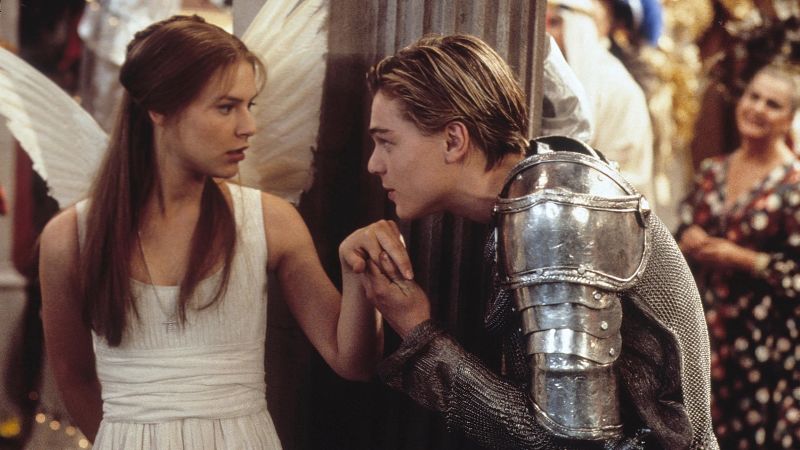
In 1996, director Baz Luhrmann transformed Shakespeare’s timeless tale into a vibrant, modern spectacle. The film’s setting, a neon-lit urban landscape reminiscent of Venice Beach, contrasted sharply with the original Verona. Teenage lovers Romeo and Juliet, portrayed by Leonardo DiCaprio and Claire Danes, navigated a world where rival families carried firearms instead of swords. The soundtrack, a daring blend of 90s music, played a pivotal role in shaping the film’s energetic vibe.
The Soundtrack’s Impact
The album featured an eclectic mix of tracks, from Des’ree’s “Kissing You” to Garbage’s “#1 Crush,” capturing the era’s shifting musical landscape. It wasn’t just a collection of songs but a narrative thread that wove through the film’s scenes. The soundtrack peaked at No. 2 on the Billboard 200 and achieved multi-platinum status globally. Its success mirrored the broader trend of music-driven films during the decade.
“Record companies could afford to pay six and sometimes seven figure sums for the soundtrack rights for the film,” said Marius de Vries, co-music producer on the project.
The Music Behind the Magic
Luhrmann envisioned a fusion of genres, treating classical and contemporary music with equal respect. Craig Armstrong, a Grammy-winning composer, highlighted how the film’s score blended seamlessly with its tracks. For the iconic meeting scene, Armstrong employed a 60-member string orchestra, a choice he noted would be less common today. Meanwhile, de Vries collaborated with a classical choir to reinterpret Prince’s “When Doves Cry” and Rozalla’s “Everybody’s Free (To Feel Good),” both performed by Quindon Tarver.
“Whether it’s contemporary, classical, garage, electronic, he treats it all with the same reverence,” Armstrong reflected.
The Nostalgic Era
The 90s saw a cultural shift where soundtracks became more than background music. They were must-have items, often cherished as much as the films themselves. This era also marked a record industry boom, with CDs being both affordable and profitable. Films like “Trainspotting” (1996) and “Titanic” (1997) showcased how music could elevate a movie’s impact, with hits like Iggy Pop’s “Lust for Life” and Celine Dion’s “My Heart Will Go On” becoming cultural touchstones.
“Testing the music as a DJ would in a nightclub,” said Justin Warfield, recalling Nellee Hooper’s creative process.
Hooper’s role in curating the soundtrack was central. He hosted elaborate house parties in London, where dance tracks from these gatherings found their way into the film. One memorable instance involved a rough cut of the gas station shootout scene, where Hooper suggested Warfield’s band, One Inch Punch, would provide the score. Warfield was struck by the film’s modernized Elizabethan elements, describing the visuals as a blend of “street language” and poetic flair.
As the 30th anniversary of the film approaches, its soundtrack remains a testament to the unique synergy between movies and music in the 90s. It was an era where albums lingered on people’s CD players long after the credits rolled, creating an immersive experience that transcended the silver screen.
