
FBI director Kash Patel files $250M defamation lawsuit against The Atlantic
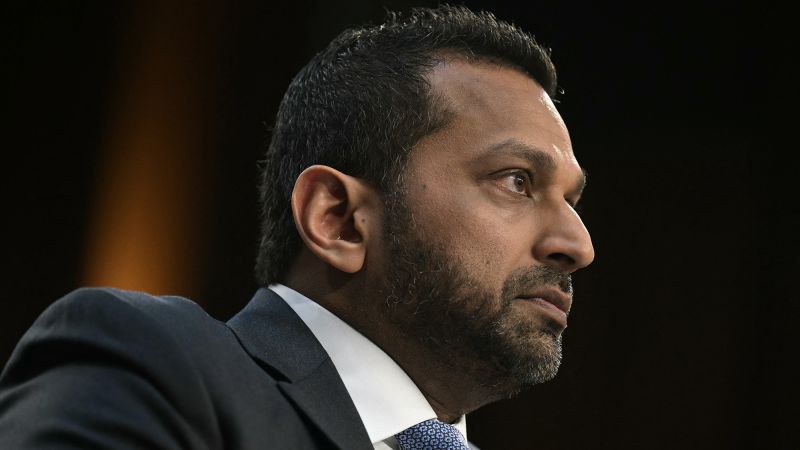
FBI director Kash Patel files $250M defamation lawsuit against The Atlantic
FBI Director Kash Patel has launched a $250 million defamation lawsuit against The Atlantic and reporter Sarah Fitzpatrick, accusing them of spreading false claims about his behavior and leadership. The legal action, filed in the U.S. District Court for the District of Columbia, targets allegations that Patel “alarmed colleagues with episodes of excessive drinking and unexplained absences.”
The Atlantic has labeled the lawsuit “meritless,” asserting their confidence in the reporting. A spokesperson for the publication told CNN, “We stand by our reporting on Kash Patel, and we will vigorously defend The Atlantic and our journalists against this meritless lawsuit.”
“We remain confident in our reporting and are prepared to challenge these claims in court,” the spokesperson added.
Patel had previously threatened legal action, a promise he reiterated after the story was published last Friday. In a quote shared by the magazine, he said, “I’ll see you in court — bring your checkbook.” Fitzpatrick, in an interview on MS NOW, defended the article, stating, “I stand by every word of this reporting. We have excellent attorneys.”
The lawsuit alleges that statements in Fitzpatrick’s article “falsely assert” Patel’s personal and professional shortcomings. These include claims that he is a habitual drunk, unable to perform his duties, a threat to public safety, vulnerable to foreign influence, and has breached DOJ ethics rules. Other accusations highlight his erratic behavior, such as requiring “breaching equipment” to extract him from locked rooms during emergencies and allowing alcohol to sway his public statements about criminal investigations.
Patel’s legal team argues that The Atlantic acted with “actual malice,” a high legal threshold for defamation. This standard demands that public figures prove the author either knew the claims were false or showed “reckless disregard” for their truthfulness. The suit states that the publication ignored prior denials, “failed to take even the most basic investigative steps” to verify its claims, and exhibited clear editorial bias against Patel.
Fitzpatrick’s article cites interviews with more than two dozen individuals, including current and former FBI officials, law-enforcement staff, hospitality workers, lawmakers, political advisors, and lobbyists. These sources, who spoke under anonymity, described Patel’s leadership as a management failure and his conduct as a national-security risk.
CNN has not independently confirmed the anecdotes detailed in The Atlantic’s article, leaving the truth of the allegations to be determined by the court. The case now hinges on proving whether the publication acted with intent or negligence in publishing these claims.
