
A rare chimpanzee ‘civil war’ is happening. It could teach us about human conflict
A rare chimpanzee ‘civil war’ is happening. It could teach us about human conflict
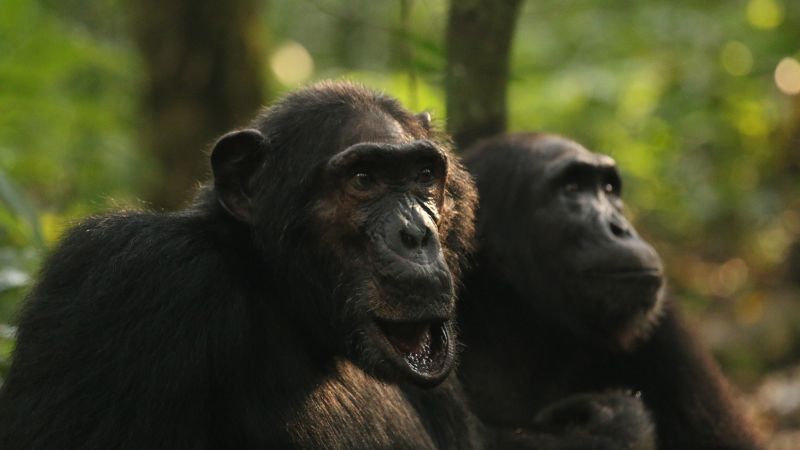
Aaron Sandel recalls the moment the chimpanzee division began. On June 24, 2015, during a routine observation in Uganda’s Kibale National Park, the Ngogo Chimpanzee Project’s co-director noticed an unusual calm among the apes. A group of chimps grew silent, some displaying anxious expressions, while others sought comfort by touching one another. Though the forest had long been home to a thriving community of over 200 individuals, the scene that day hinted at a deeper shift. Instead of their usual displays of unity—loud calls, embraces, and hand-holding—the chimps retreated, splitting into two distinct groups. “I remember asking John, ‘What’s going on?’ He said, ‘I don’t know,’” Sandel shared, emphasizing the mystery of the event. This moment marked the start of a rift, as the once cohesive community fractured into Western and Central factions.
Shifts in social dynamics spark conflict
The study, published April 9 in the journal Science, reveals how social fragmentation can escalate into violent clashes. Researchers observed a pattern of raids, with lethal attacks on adults and infants occurring multiple times annually. These chimpanzees, naturally territorial, often patrol borders to confront rivals. However, the split transformed these routine interactions into warfare. The Western faction, more aggressive, launched up to 15 patrols every four months, resulting in an average of one adult and two infants killed per year from the Central group. Sandel attributes their dominance to early cohesion, which allowed them to control territory and push the border eastward.
The evolution of a divided society
Before the split, chimps traversed the entire Ngogo territory without conflict. Now, the landscape is divided, with the Western and Central groups maintaining separate domains. The border, a dynamic line, shifts as the Western chimps gain ground. The first fatal encounter in 2018 targeted Errol, a young adult male who had been Sandel’s dissertation subject since 2012. Five Western males ambushed him near the fig tree, marking the beginning of the ongoing strife. In 2019, another attack unfolded during a feeding session, where Western chimps surprised the Central group, creating chaos that highlighted the severity of their division.
Implications for human conflict
The phenomenon of chimpanzee factions mirrors human societal polarization. The study suggests that shifting alliances and competition over resources can lead to conflict even in nonhuman groups. Researchers argue this rare ‘civil war,’ estimated to occur every 500 years, offers insights into how interpersonal dynamics shape group behavior. As the Ngogo chimps continue their rivalry, the findings underscore the role of social relationships in both animal and human conflicts.
