
Islamabad on hold as US and Iran at a historic tipping point
Islamabad on hold as US and Iran at a historic tipping point
A City in Suspension
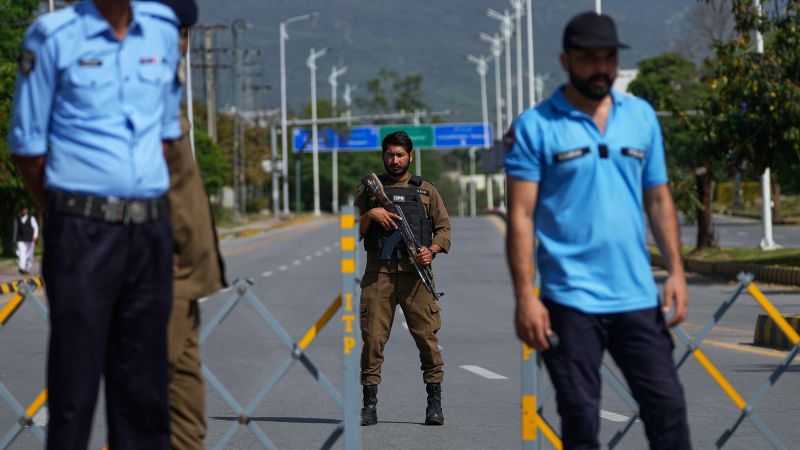
Islamabad, the Pakistani capital, is currently in a state of limbo, its streets marked by uncharacteristic stillness and the weight of anticipation. The city has become the backdrop for a potentially transformative event — a high-stakes dialogue between the United States and Iran. Yet, this moment of global significance is shadowed by the city’s own security measures, with road closures creating a labyrinth that disrupts daily life.
Five-star hotels stand vacant, their usual clientele delayed by security checkpoints. Even bougie eateries have closed their doors, as affluent diners struggle to navigate through military and police barriers. The city’s infrastructure, once a symbol of prosperity, now bears the marks of a temporary shutdown, with entire neighborhoods isolated from the rest of the metropolis.
Security as a Shield
For years, Islamabad has grappled with headlines that reflect its turbulent history. A suicide bombing in February claimed over 60 lives, targeting a mosque and reigniting concerns about the city’s safety. Yet, amid these challenges, a new opportunity emerges: the chance to redefine Pakistan’s global standing. If the talks between the US and Iran succeed, it could shift perceptions from a sanctuary for the Taliban and a haven for Osama Bin Laden to a hub of diplomatic progress.
“Not all peace talks work out. In Minsk in 2014, I witnessed the hasty and imperfect peace deal foisted on the Ukrainians by Russia and the international community following Moscow’s first Ukraine invasion. It didn’t hold because it wasn’t balanced.”
Security personnel patrol the city with a calm demeanor, their motorbikes stationed idle as they wait for a senior officer’s command. The checkpoints, while stringent, have not deterred the quiet resilience of Islamabad’s citizens, who endure the restrictions with a sense of purpose.
Historical Precedents
Peace negotiations have shaped history before, from the Dayton Peace Accords in 1995 that ended Bosnia’s civil war to the 2015 JCPOA deal in Vienna. These events, hosted in cities like Dayton and Vienna, were milestones in diplomacy, yet they lacked the scale of current aspirations. Today’s talks aim to address more than nuclear proliferation — they seek to curb Iran’s ties to terrorist groups, limit its ballistic missile arsenal, and secure the Strait of Hormuz.
Unlike past agreements, this round carries the weight of global stakes. The previous Obama-era talks, held in Switzerland, were less urgent, with tensions between the two nations not yet at breaking point. Now, the pressure is higher, and the consequences of failure more profound.
The Price of Peace
While the city’s residents bear the brunt of the lockdown, their endurance underscores the significance of this moment. Government offices and ministries remain at the heart of the security grid, surrounded by the resplendent gardens of a prestige hotel. The Margala hills, usually a peaceful retreat, are now off-limits, their trails closed to the public. Even markets and schools are empty, with produce lingering outside and workers confined to home-based routines.
Amid the quiet, a glimmer of hope persists. If both nations arrive at the talks with genuine intent, Islamabad could become a beacon of reconciliation. Its citizens, though patient, are a testament to the city’s role in shaping a better future — a legacy that may yet be written.
A Moment of Transformation
History is being made in the shadows of a city that has long been defined by its struggles. The road closures, once a source of frustration, now serve as a backdrop to a potential renaissance. Whether this effort will endure remains to be seen, but for now, Islamabad stands as a symbol of resilience and the possibility of peace.
