
Manchester United’s Financial Outlook as Greenwood’s Marseille Exit Nears
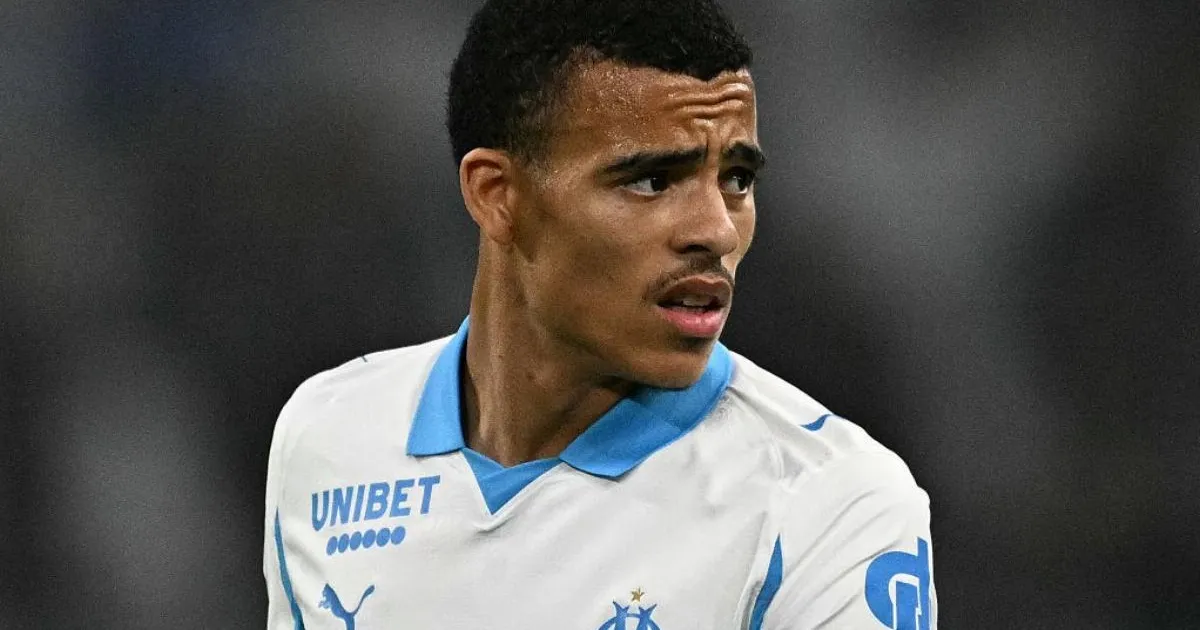
How much Manchester United will earn – Mason Greenwood is preparing to depart Marseille at the conclusion of the current season, a development that will generate additional revenue for Manchester United through a sell-on provision embedded within his original transfer agreement. While this influx of funds represents a positive outcome for the club’s finances, the amount is not expected to dramatically alter their position in the transfer market.
The Numbers Behind the Deal
Greenwood’s journey to France began in 2024 when he completed a transfer to Marseille for a fee of £26.6 million. Since arriving at the French club, the forward has demonstrated considerable attacking prowess, netting 48 goals across 76 appearances in all competitions. His goal-scoring record has been nothing short of impressive, particularly considering the circumstances surrounding his move away from Old Trafford.
Despite his strong performances on the pitch, Marseille find themselves in a position where they must offload several players during the upcoming transfer window. Financial pressures within the club have created this necessity, and the 24-year-old English international is among those set to depart. His departure will trigger the sell-on clause that Manchester United holds, which was described as ‘significant’ when the original transfer was finalized.
Transfer Race Heats Up
Fenerbahce currently occupy the leading position in the pursuit of Greenwood’s signature and are reportedly nearing the completion of a comprehensive agreement. However, L’Equipe reported on Thursday morning that Atletico Madrid remain firmly in contention for the player’s services. Roma had previously expressed interest in the England international, but the field has now narrowed considerably to what appears to be a two-horse race between the Turkish and Spanish clubs.
According to BBC reporting, the Turkish outfit believes they can secure Greenwood for approximately €45 million, which equates to roughly £38.36 million. Personal terms with the player have reportedly been settled, and RMC Sport indicates that a four-year contract has already been agreed upon to bring Greenwood to Istanbul.
What United Stand to Gain
The sell-on clause is understood to entitle Manchester United to approximately 50 per cent of any profit generated from Greenwood’s next permanent transfer. Given that Marseille are anticipated to realize between £10 million and £12 million in profit from the sale, United can expect to receive somewhere in the region of £5 million to £6 million as their share.
While this figure provides a welcome boost to the club’s coffers, it is not substantial enough to fundamentally reshape Manchester United’s summer transfer strategy. The Red Devils have encountered difficulties in securing their preferred midfield reinforcements, with several targets proving elusive throughout the window.
Midfield Frustrations Continue
Tottenham Hotspur have successfully outmaneuvered Manchester United in securing both Mateus Fernandes and Sandro Tonali. Additionally, Aurelien Tchouameni has committed his future to Real Madrid by agreeing to a new contract, further reducing the available options for United’s midfield ambitions.
Nevertheless, progress has been made in other areas of the squad. A deal has been finalized to bring Ederson from Atalanta to Old Trafford. Furthermore, another agreement has been reached to sign Andrey Santos from Chelsea. The 22-year-old Brazilian is set to join the Red Devils for an initial fee of £48 million, with an additional £2 million in potential add-ons.
Setting Realistic Expectations
Transfers are certainly being completed by Manchester United, but the players arriving may not fully match the caliber that supporters had envisioned for the club’s return to the Champions League. The sell-on revenue from Greenwood, while welcome, represents only a modest contribution to the overall transfer budget and will not single-handedly resolve the midfield situation that has proven so challenging.
As the summer window progresses, United will need to continue their pursuit of quality midfield additions while managing their financial resources carefully. The Greenwood departure provides a small but meaningful financial cushion as they navigate these difficult transfer negotiations.