
Acting AG insists rioter violence will be considered by new anti-weaponization fund commission
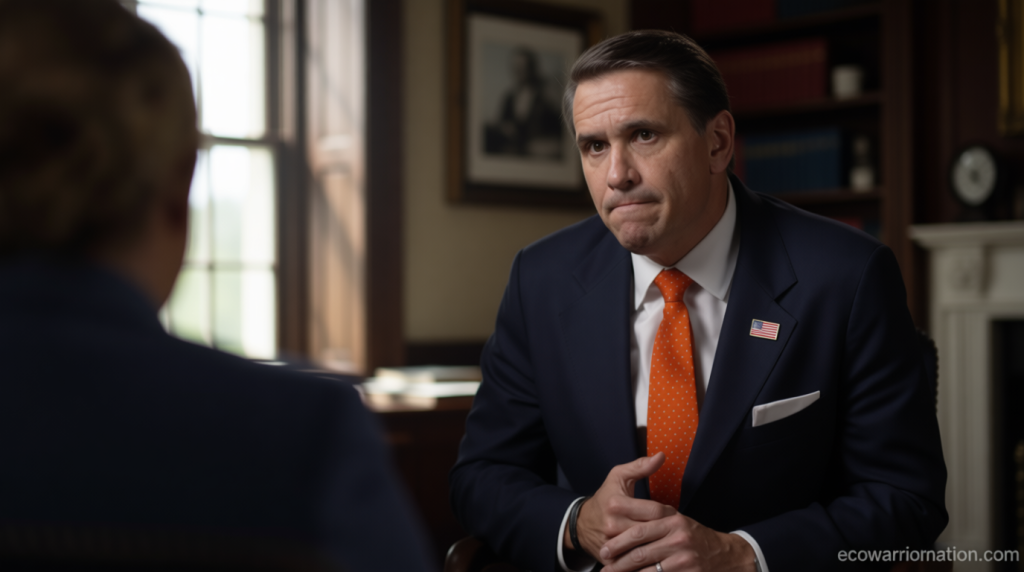
Acting AG Insists Rioter Violence Will Be Considered by New Anti-Weaponization Fund Commission
Acting AG insists rioter violence will – Acting Attorney General Todd Blanche emphasized on Wednesday that the actions of individuals who participated in the January 6, 2021, Capitol riot—particularly those who engaged in physical attacks on law enforcement officers—will play a significant role in determining eligibility for the anti-weaponization fund. “The conduct of the claimant is a critical factor in the commission’s evaluation,” Blanche stated during an interview with CNN’s Paula Reid. He elaborated that applicants seeking financial compensation from the fund would need to detail their involvement in the event, including any direct assaults on police personnel.
“I would expect a claimant to say, ‘I physically attacked a law enforcement officer and I want to be reimbursed for the damage I caused,’” Blanche explained. “Whether the commissioners approve the payout depends on their judgment, but the claimant’s behavior remains a central consideration.”
Blanche further clarified that Trump’s administration has explicitly positioned itself against those who use force against officers. “The president has made it clear that assaulting law enforcement is not acceptable,” he said. This stance, he noted, aligns with the broader objective of the fund: to ensure that those responsible for violence during the riot are held accountable through restitution rather than unqualified compensation.
On Tuesday, the Justice Department faced criticism after quietly releasing an addendum that excluded the IRS from investigating Trump or his family for tax-related matters dating back to the January 6 incident. When pressed about the decision, Blanche attributed it to the president’s external legal team. “The term for the settlement was crafted by the president’s counsel,” he said. “The Department of Justice, not myself, was involved in the negotiations, and discussions about pending audits were part of the process.”
The new anti-weaponization fund, set to distribute $1.8 billion in taxpayer dollars, has sparked debate over its potential to provide broad financial relief to riot participants. Critics argue that individuals who attacked law enforcement could easily qualify for substantial payouts if they simply demonstrate prior prosecution by the Justice Department. Blanche, however, defended the fund’s structure, stating it would streamline the claims process and prevent a flood of lawsuits against the government.
“Funding this initiative isn’t about rewarding rioters with windfall profits,” Blanche asserted. “It’s about establishing a system that allows for fair compensation while avoiding the complexities of ongoing litigation.”
Blanche also addressed concerns about the political makeup of the commission overseeing the fund. The panel, composed of five members selected by Trump’s attorney general, will operate independently but remain subject to presidential oversight. While one member is chosen in consultation with Congress, the specifics of that collaboration remain undefined. “We’ve received numerous applications since announcing the fund, and we’ll finalize the commissioners’ selection once the process is fully prepared,” Blanche said.
Although Blanche acknowledged the possibility of political affiliations influencing the selection process, he expressed confidence in finding qualified individuals. “I’m not sure if political ties will be a determining factor,” he admitted. “However, the commissioners will need to be smart and sensitive to the political implications of their decisions.”
Blanche’s remarks come amid growing scrutiny of the fund’s fairness. The anti-weaponization initiative aims to provide restitution to those injured or affected by the riot, but opponents worry it may overlook the intent of attackers. “The goal is to ensure that people who acted violently during the attack are not automatically given financial benefits,” he said. “The commission will assess each case individually, factoring in the severity of the conduct.”
Earlier this year, Trump’s administration pardoned over 1,000 individuals involved in the January 6 riot, including many who had been charged with assaulting law enforcement. This move has raised questions about whether the new fund will offer a second chance to those who were previously absolved. Blanche acknowledged the concern, noting that the fund’s focus on restitution complements Trump’s broader legal strategy. “It’s a way to address the consequences of the riot without involving the courts,” he said.
Despite the fund’s clear purpose, Blanche emphasized that it is not a blanket compensation program. “This is not a ‘you’re going to get rich’ process,” he reiterated. “There are established claims procedures for large-scale compensation, and they’re designed to ensure equitable distribution of funds.” He also pointed to the administration’s prior success in recovering taxpayer money through fraud investigations, arguing that the anti-weaponization fund is a practical solution rather than an extravagant expense.
The fund’s creation has coincided with rising gas prices, prompting some to question its financial justification. Blanche dismissed such concerns, stating that the initiative is part of a long-standing approach to settling legal claims efficiently. “This isn’t about spending money when gas is expensive—it’s about managing the claims process in a way that protects both victims and the government,” he said.
As the commission prepares to review applications, the focus remains on balancing accountability with support for those harmed by the riot. Blanche highlighted the importance of transparency, promising to announce the commissioners once the process is finalized. “We’re committed to ensuring that the fund operates with clarity and fairness,” he said. “The selection of members will be based on their ability to evaluate claims effectively.”
With the commission’s role now defined, the next steps involve gathering evidence and determining the criteria for compensation. Blanche noted that the process will include a thorough examination of each applicant’s actions. “The fund is a tool to provide justice, not just money,” he concluded. “It’s about recognizing the impact of the violence and ensuring those who caused harm are compensated appropriately.”
Commission Structure and Selection
The anti-weaponization fund will be managed by a five-member commission, with the president retaining the authority to appoint and remove members at will. While the attorney general oversees the selection, one spot is reserved for consultation with Congress, though the extent of this involvement remains uncertain. Blanche mentioned that the non-paid commissioners will be chosen for their expertise and ability to navigate the political landscape. “We’re looking for individuals who can make informed decisions while remaining neutral,” he said.
Blanche also addressed the potential for partisan dynamics in the commission. “Political affiliation may play a role, but it’s not the only factor,” he said. “The commissioners will prioritize the evidence and the conduct of each claimant. That’s what matters most.” He added that the process is designed to avoid bias, with a focus on the facts rather than personal connections. “We’ve had a range of applicants, and we’re confident we’ll find a balanced team to handle the workload.”
Addressing Concerns Over Fund Usage
Blanche’s comments were part of an effort to reassure the public about the fund’s fairness. He stressed that the process would prevent individuals from receiving exorbitant payouts. “The commission will set clear guidelines to ensure that only those who meet the criteria are awarded funds,” he said. “It’s not about giving money for simply being part of the riot—it’s about holding people accountable for their actions.”
He also highlighted the fund’s role in reducing the burden on the courts. “Without this initiative, the government would face a massive increase in lawsuits from riot participants,” Blanche explained. “The $1.8 billion allocated ensures that claims can be resolved more efficiently, without dragging the legal system into an extended debate over individual cases.”
As the commission prepares to evaluate applications, the focus remains on ensuring that the fund fulfills its intended purpose. Blanche reiterated that the commission’s decisions will be based on a comprehensive review of each claimant’s behavior. “We want to make sure that the fund reflects the realities of the January 6 events,” he said. “It’s about justice, not just compensation.”
The anti-weaponization fund represents a significant step in addressing the fallout from the January 6 riot. While its creation has sparked both support and skepticism, Blanche’s statements underscore the administration’s commitment to a structured and transparent process. “This is a necessary step to move forward,” he said. “It allows us to provide restitution while maintaining accountability for those who caused harm.”
