
‘Won’t be anything left’: Trump issues warning to Iran after national security team meeting
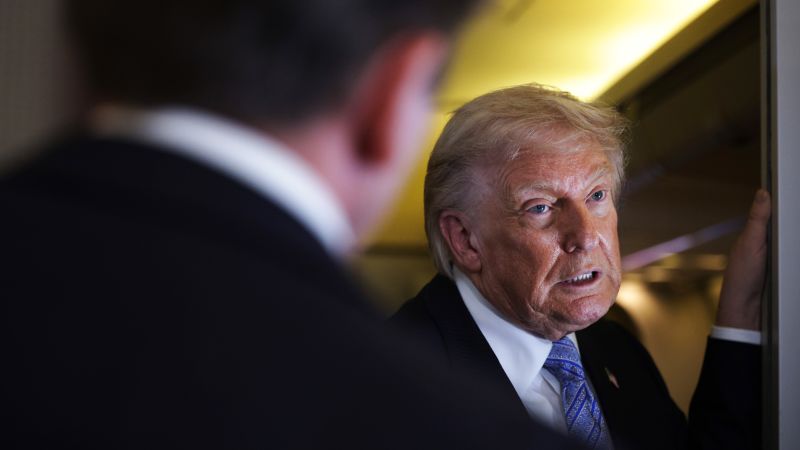
Trump Signals Urgency for Iran as National Security Team Convenes
Won t be anything left – President Donald Trump convened a meeting with key members of his national security team on Saturday, as reported by a source close to the administration, to deliberate on the trajectory of the Iran conflict. This gathering occurred the day prior to Trump’s latest public declaration, in which he warned Tehran that it must accelerate its efforts or face severe consequences. The warning, posted on social media on Sunday, emphasized the critical nature of the situation, with Trump stating, “For Iran, the Clock is Ticking, and they better get moving, FAST, or there won’t be anything left of them. TIME IS OF THE ESSENCE!”
The meeting, held at Trump’s Virginia-based golf club, brought together Vice President JD Vance, Secretary of State Marco Rubio, CIA Director John Ratcliffe, and special envoy Steve Witkoff. These officials reportedly discussed the ongoing tensions with Iran, which have escalated in recent weeks. The gathering took place shortly after Trump returned to Washington from a high-stakes trip to China, a country with significant strategic ties to Iran. The timing of the meeting underscored the administration’s growing concern over Iran’s diplomatic inaction and its persistent disruptions to global energy markets.
Trump’s impatience with Iran’s approach has intensified, particularly regarding the closure of the Strait of Hormuz. This vital maritime passage, which Iran has intermittently blocked, has raised fears of a potential oil supply crisis, impacting global prices and economic stability. The White House has not yet issued an official response to inquiries about the meeting, leaving details to be clarified through further statements. However, internal communications suggest that the president is leaning toward more aggressive measures to compel Iran into a diplomatic resolution.
During his visit to Beijing, Trump and his advisors delayed finalizing a strategy against Iran, as they prioritized the outcomes of discussions with Chinese President Xi Jinping. Multiple administration officials, speaking to CNN, expressed a desire to observe the progress of these talks before committing to a specific course of action. This pause allowed Trump to reassess his options, with a particular focus on whether military intervention could achieve the desired results in a timely manner.
Recent intelligence assessments indicate that Trump has intensified his consideration of resuming large-scale combat operations in Iran. Despite his historical preference for diplomatic solutions, the president has become more open to military strikes as a means of pressuring Tehran into concessions. The Pentagon has been actively preparing contingency plans, including precise targeting of energy and infrastructure sites, should Trump decide to escalate the conflict. These plans are reportedly tailored to maximize strategic impact while minimizing civilian casualties.
On Sunday, Trump engaged in a direct conversation with Israeli Prime Minister Benjamin Netanyahu, as confirmed by a US official. This call highlighted the administration’s alignment with Israel’s stance on Iran, particularly regarding the country’s nuclear ambitions and regional influence. Israeli leaders have long advocated for a hardline approach against Iran, and Trump’s recent statements suggest he is increasingly adopting their perspective in shaping US policy.
Iranian Stance Remains Resolute
Despite the mounting pressure from Trump, there are no new signs that Iran’s leadership is willing to compromise. Iranian state media reported on Sunday that Pakistan’s interior minister, Mohsin Naqvi, had met with senior Iranian officials, including President Masoud Pezeshkian. This meeting, according to reports, aimed to reinforce Iran’s position and ensure continued support from regional allies. Pakistan has played a central role in mediating US-Iran peace talks, acting as a bridge between the two nations in recent months.
Pezeshkian’s recent remarks, as relayed by Iran-linked Tasnim news agency, underscored the country’s dissatisfaction with the US presence in the Middle East. He stated, “The United States’ dominance in the region has fueled instability and undermined cooperation among Islamic nations.” This sentiment reflects Iran’s broader strategy of framing the conflict as a regional struggle, rather than a bilateral issue. Pezeshkian further criticized the US and Israel for their efforts to create divisions among Muslim countries, describing their actions as “divisive projects” that foster distrust and weaken alliances.
Analysts suggest that Iran’s refusal to back down is driven by both strategic and ideological factors. The country’s leadership views any concessions as a sign of weakness, particularly in the context of its nuclear program and regional influence. Additionally, the ongoing closure of the Strait of Hormuz has been a deliberate tactic to assert control over global energy markets and pressure the West into negotiations. However, this approach has also drawn criticism from Iran’s own allies, who worry about the long-term economic repercussions of such disruptions.
The White House’s internal deliberations reveal a growing divide between pragmatic and ideological factions within the administration. While some officials advocate for a military strike to disrupt Iran’s operations, others remain cautious, emphasizing the need for a unified approach. The decision to delay action during the China trip reflects this balancing act, with Trump’s team weighing the potential benefits of international diplomacy against the urgency of the situation.
As the pressure mounts, Trump is expected to reconvene with his national security advisors early next week to finalize his strategy. The meeting will likely address the Pentagon’s readiness for targeted strikes and the political implications of such actions. With the clock ticking, the administration faces a critical juncture in its approach to the Iran conflict, as the next steps could determine the outcome of years of diplomatic efforts.
In the meantime, the global community watches closely for any signs of escalation. The closure of the Strait of Hormuz and Iran’s nuclear advancements have already drawn significant international attention, with oil prices and geopolitical tensions at a heightened level. Trump’s warning serves as a clear signal that the United States is prepared to take decisive action if Iran does not meet its demands, marking a shift in the US’s approach to the ongoing crisis.
“The United States’ presence in the Middle East has fueled instability and undermined cooperation among Islamic nations.” – Masoud Pezeshkian, President of Iran
With the potential for military action looming, the administration’s next moves will be closely scrutinized. The combination of Trump’s assertive rhetoric and the Pentagon’s prepared strike plans creates a scenario where Iran’s leadership may face unprecedented pressure to negotiate. However, the outcome will depend on how effectively the US can balance immediate threats with long-term strategic goals, a challenge that will test the administration’s unity and resolve.
