
New Ebola outbreak in remote DR Congo province kills 80
New Ebola Outbreak in Remote DR Congo Province Claims 80 Lives
New Ebola outbreak in remote DR Congo – Health officials in the Democratic Republic of Congo (DRC) reported an alarming 80 fatalities linked to a recent Ebola outbreak in the eastern Ituri region, according to a statement released late on Friday. The outbreak, which has raised concerns across the continent, has seen 246 potential infections identified so far, with the strain now confirmed as Bundibugyo. This discovery has prompted a renewed focus on containment efforts in an area already grappling with significant challenges.
Index Case and Strain Confirmation
The initial case of the outbreak is believed to have originated from a nurse who succumbed to the virus at the Evangelical Medical Centre in Bunia. Symptoms such as fever, bleeding, vomiting, and extreme weakness were noted before her death. Following further analysis, the DRC health ministry confirmed the presence of the Bundibugyo strain in three health zones: Rwampara, Mongwalu, and Bunia. This marks the first time the non-Zaire variant has been detected in the region, complicating the response due to its distinct characteristics from the more commonly known Zaire strain.
“Africa CDC is concerned about the risk of further spread due to the urban context of Bunia and Rwampara,” stated the agency’s director, Jean Kaseya, in a press release. He emphasized the need for swift regional collaboration, highlighting the intense movement of people in the area.
The DRC government has already activated its public health emergency operations center to coordinate response efforts. Measures include enhancing surveillance systems, deploying rapid response teams, and improving laboratory testing capacities. This proactive stance follows earlier reports from the Africa Centres for Disease Control and Prevention (Africa CDC), which confirmed the outbreak with a death toll of 65. The agency is now convening an urgent meeting with Congo, Uganda, South Sudan, and global partners to strengthen cross-border monitoring and preparedness.
Global Response and Scientific Implications
While the World Health Organization (WHO) became aware of suspected cases on May 5, initial field samples tested negative. However, a laboratory in Kinshasa later confirmed positive results, leading to a total of 13 verified cases. The WHO has allocated $500,000 from its emergency contingency fund to support activities such as surveillance, tracking of contacts, and clinical care. This financial aid underscores the international community’s recognition of the outbreak’s severity.
“The identification of a different variant will complicate the response,” noted Jean-Jacques Muyembe, a leading Congolese virologist and head of the National Institute for Biomedical Research in Kinshasa. He highlighted that only one of the country’s 16 past outbreaks was attributed to a non-Zaire strain, raising questions about the effectiveness of current treatments and vaccines against this new variant.
Although the Bundibugyo strain is less deadly than Zaire, its spread in urban areas like Bunia and Rwampara poses unique challenges. These regions, situated near Uganda and South Sudan, experience high population mobility, particularly due to mining activities. This movement increases the likelihood of the virus crossing borders and spreading further. The Africa CDC has reiterated the importance of rapid regional coordination to mitigate this risk.
Humanitarian Crisis and Security Challenges
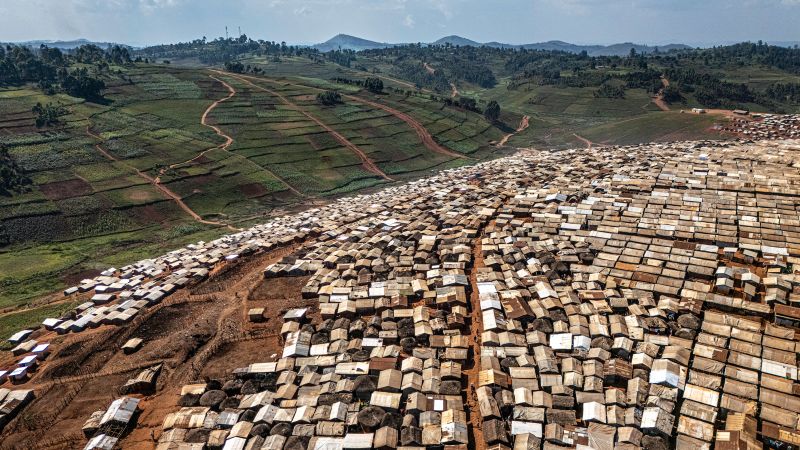
The outbreak coincides with a worsening security situation in Ituri, where clashes between rival militia groups have displaced thousands of civilians. According to Medecins Sans Frontieres, the resulting chaos has left many health facilities overwhelmed or non-operational, exacerbating the already dire humanitarian conditions. Poor hygiene in refugee camps and temporary shelters has been identified as a critical factor in the virus’s potential to spread rapidly.
Uganda, a neighboring country, confirmed one imported case of the Bundibugyo strain after a Congolese man died in Kampala. No local transmission has been identified there yet. The country’s health ministry is closely monitoring the situation, aware of the proximity to the DRC and the potential for cross-border movement to fuel new outbreaks.
Historical Context and Regional Impact
Experts note that this is the 17th Ebola outbreak in the DRC since the virus was first detected in 1976. The most recent epidemic, which occurred in Kasai province, concluded in December after a three-month period. Out of 64 reported cases, 45 fatalities were recorded, while 19 individuals recovered. This outbreak, however, is occurring in a more remote and volatile region, complicating containment efforts.
While the Bundibugyo strain is endemic to Congo’s tropical forests, its emergence in urban centers is a new development. The Africa CDC has warned that the virus’s spread could be accelerated by the region’s interconnectedness with neighboring countries. The agency’s statement underscored the urgency of maintaining strict hygiene protocols and ensuring medical teams can operate effectively despite ongoing violence.
The situation in Ituri highlights the broader risks associated with Ebola outbreaks in areas with limited healthcare infrastructure and high population movement. With the DRC’s public health systems under strain, international support is vital to prevent the outbreak from spiraling into a larger crisis. The identification of the Bundibugyo strain also raises important questions about the adaptability of existing medical interventions, as the virus continues to evolve in response to human activity.
As the response teams work to isolate cases and trace contacts, the focus remains on containing the virus within the affected zones. The nurse’s death in Bunia serves as a grim reminder of the disease’s lethality and the critical need for swift action. With 80 lives lost and more suspected cases emerging, the outbreak underscores the persistent threat of Ebola in the region, even as the world watches closely for signs of a larger epidemic.
Health officials continue to emphasize the importance of public awareness and community engagement in slowing the virus’s transmission. The DRC’s health ministry has urged residents to report symptoms promptly and adhere to hygiene guidelines. Meanwhile, the Africa CDC and WHO are collaborating to provide technical and financial resources, ensuring that the response remains robust and well-coordinated. The success of these efforts will depend on the ability to overcome both the biological and socio-political challenges in Ituri.
As the situation unfolds, the focus is on preventing the outbreak from becoming a regional crisis. The Bundibugyo strain’s presence in a densely populated area, combined with ongoing violence and displacement, creates a perfect storm for the virus to spread unchecked. This development serves as a stark reminder of the delicate balance between public health and security in conflict zones, where every new case brings heightened concern for the future.
