
Senate GOP unveils $70B immigration plan to circumvent Democrats in bid to end DHS shutdown
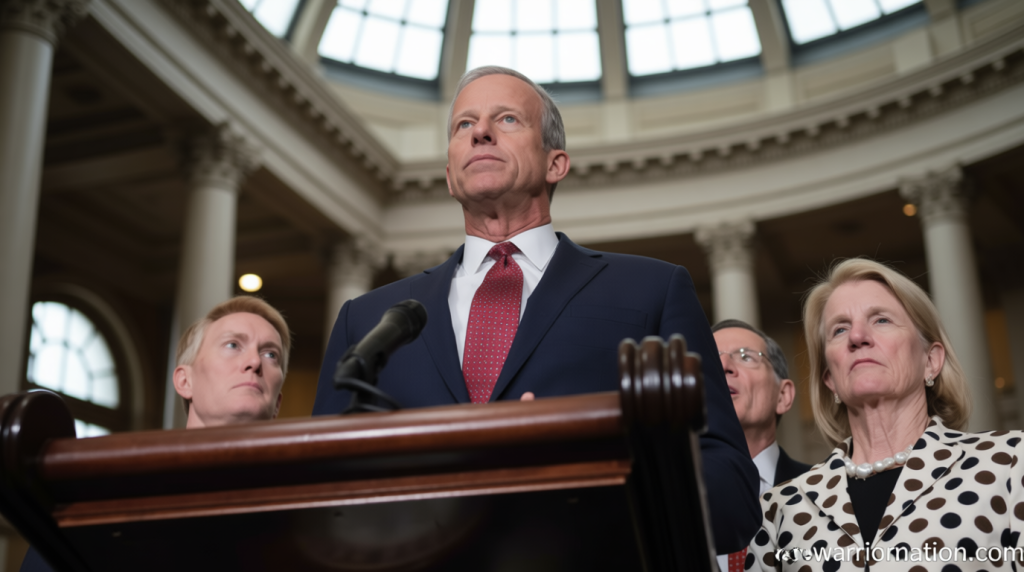
Senate GOP unveils $70B immigration plan to circumvent Democrats in bid to end DHS shutdown
On Tuesday, Senate Republican leaders announced their plan to bypass Democratic opposition and resolve the prolonged funding crisis at the Department of Homeland Security (DHS). The proposal includes up to $70 billion allocated specifically for immigration enforcement, aiming to keep the agencies operational without requiring agreement from Democrats. This move comes after months of stalemate, with Republicans seeking to restart government functions by securing funding for immigration enforcement independently.
The GOP strategy involves leveraging a complex budgetary process to approve the controversial funding package without Democratic votes. A key step in this approach was the release of the Senate’s budget resolution on Tuesday morning, setting the stage for a vote later in the week. If passed, the House intends to follow swiftly with its own action. However, the success of this plan remains uncertain, as it depends on the unity of Republican lawmakers across both chambers.
Reconciliation as a Path to Funding
Republicans face pressure to act quickly, with House Speaker Mike Johnson emphasizing the need for clarity that Immigration and Customs Enforcement (ICE) and border patrol will not face cuts. “The sequencing is important. We’ve got to make sure that we don’t isolate and as I say, ‘orphan’ key agencies of the department,” Johnson stated, highlighting concerns about leaving these vital units unfunded. This contrasts with Senate Majority Leader John Thune, who earlier advanced a partial funding bill, a decision that sparked criticism within the GOP ranks.
Once the Senate formally introduces its budget resolution, a potential all-night session—referred to as a “vote-a-rama”—could unfold. This would allow lawmakers to expedite the approval process, but the outcome hinges on the cooperation of all Republican members. The plan represents a calculated effort to maintain control over DHS operations while navigating the political challenges of the current legislative landscape.
