
US at risk of running out of missiles if another war breaks out after depleting stockpile in Iran operations
US at risk of running out of missiles if another war breaks out after depleting stockpile in Iran operations
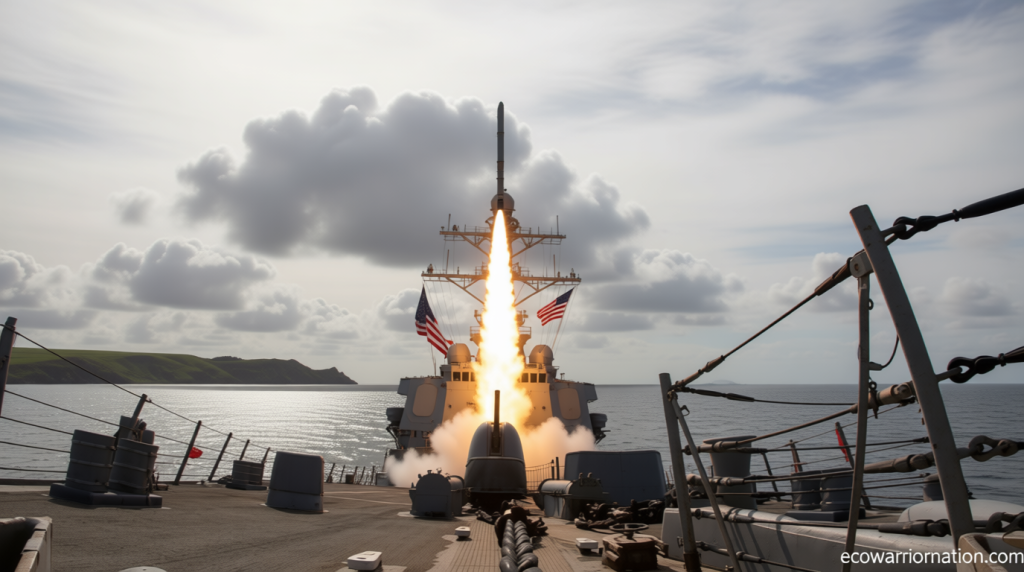
Recent assessments reveal that the US military has used a substantial portion of its critical missile stockpiles during the ongoing conflict with Iran, raising concerns about potential shortages in future conflicts. Experts and three insiders familiar with Defense Department evaluations warn that the nation’s ammunition reserves could face a “near-term risk” of depletion within the next few years, should hostilities escalate again. The data, corroborated by classified Pentagon reports, indicates that over the past seven weeks of fighting, at least 45% of Precision Strike Missiles have been expended, while more than half of THAAD interceptors and nearly 50% of Patriot air defense missiles have been used.
Additionally, the analysis highlights that approximately 30% of Tomahawk missiles, over 20% of Joint Air-to-Surface Standoff Missiles, and roughly 20% of SM-3 and SM-6 systems have been consumed. Replenishing these quantities could take four to five years, even with accelerated production efforts. While the military currently has enough firepower to sustain operations against Iran, the remaining stockpiles may not be sufficient to counter a major adversary such as China, according to CSIS researchers.
“The high rate of munitions use has opened a window of vulnerability in the western Pacific,” said retired US Marine Corps Colonel Mark Cancian, a co-author of the CSIS report. “Rebuilding these reserves will take one to four years, followed by several more to reach strategic levels.”
In a statement to CNN, Pentagon spokesperson Sean Parnell asserted that the military remains equipped to act as needed. “We have everything required to execute operations at the President’s discretion,” he said, citing successful missions under President Trump’s leadership. However, the report contrasts this confidence with the reality of dwindling supplies, noting that Trump’s claims of ample weaponry were made despite requesting additional funding to replenish stocks.
“The US is not short on any weapon systems,” Trump stated last month, emphasizing the need for extra resources. “We’re preserving high-end munitions for the long term.” The administration’s agreements with private firms aim to boost production, but initial deliveries are limited due to smaller previous orders. Before the war began, Joint Chiefs of Staff Chairman Gen. Dan Caine and other leaders had warned Trump about the impact of prolonged campaigns on weapons availability, particularly for allies like Israel and Ukraine.
Senators on Capitol Hill, including Arizona Democrat Mark Kelly, have expressed caution about the pace of missile consumption. “The Iranians can produce many Shahed drones and ballistic missiles, and they’ve got a massive inventory,” Kelly noted. “At some point, this becomes a math problem: how do we resupply air defense systems? Where will the replacements come from?”
