
Why Trump’s latest blink on Iran could be more than a TACO Tuesday
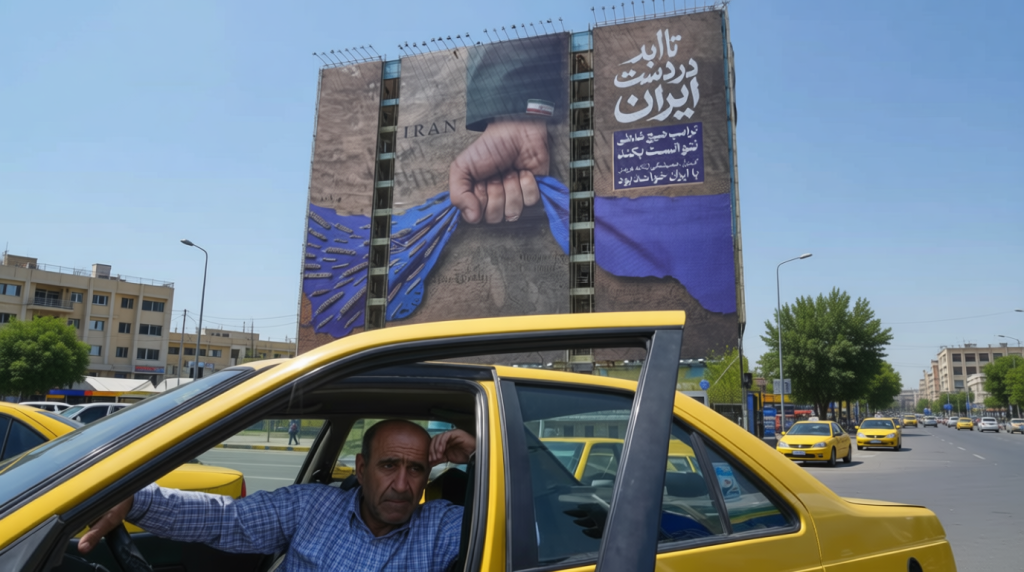
Why Trump’s Latest Ceasefire Shift Could Mean More Than a TACO Tuesday
Donald Trump once again appeared to soften his hardline stance on Iran, prolonging the ceasefire agreement. Critics are seizing on the latest development as yet another “TACO Tuesday” moment, highlighting how Trump’s commitment to a firm stance has wavered. Days after vowing to be “no more Mr. Nice Guy” unless Iran yielded, the president relented, allowing the pause in hostilities to extend. This move has sparked skepticism, with some questioning whether the decision undermines his reputation as a decisive leader.
The Ceasefire Extension
Trump’s decision to halt military strikes temporarily came after a request from Pakistan officials, who urged the delay to facilitate talks in Islamabad. The ceasefire, now indefinite, will remain in effect until negotiations conclude. While the president framed the delay as a strategic choice to let Iran present its terms, analysts argue it reflects a growing reluctance to escalate the conflict.
Iran’s Role in the Talks
Despite the ceasefire, Iran did not attend the talks in Islamabad, leaving Vice President JD Vance waiting at home. The absence of Iranian representatives has raised concerns about their ability to negotiate effectively. Sources suggest that the nation’s leadership remains divided, with new Supreme Leader Mojtaba Khamenei reportedly in hiding. This uncertainty may have contributed to Iran’s hesitation to commit to a deal.
“From the Iranians’ standpoint, they have the upper hand. And if the US wants to escalate, it will escalate. And if (the US wants) an agreement, they have to accept the 10 points that they sent them through the Pakistanis,” said Danny Citrinowicz, former head of the Iran branch of Israeli military intelligence.
Strategic Implications
Analysts warn that Trump’s retreat from military pressure could weaken the US’s bargaining position. The Iranian leadership’s fractures, deepened by Israeli strikes targeting key political figures, may have emboldened them to adopt a more assertive stance. Meanwhile, the ceasefire has allowed Iran to project strength, casting doubt on the effectiveness of US threats to end the conflict.
Inside Iran, the prolonged ceasefire has likely bolstered perceptions of the US as less resolute. The country’s leaders now face the challenge of maintaining strategic deterrence while balancing internal power struggles. Even with enriched uranium stockpiled, Iran’s position appears more credible than before, thanks to the absence of immediate US retaliation.
Broader Challenges
Though the ceasefire may ease pressure on Trump’s approval ratings and slow the economic fallout, it does not resolve the deeper issues. The Strait of Hormuz remains a critical flashpoint, with Iranian threats continuing to disrupt global oil flows. Additionally, the repression of its population persists, and Iran’s hardline military factions now dominate decision-making. For diplomats, the task ahead is to navigate these complexities and prevent the conflict from resurfacing with renewed intensity.
