
Apple’s pick to replace Tim Cook hints at its plans for the AI era
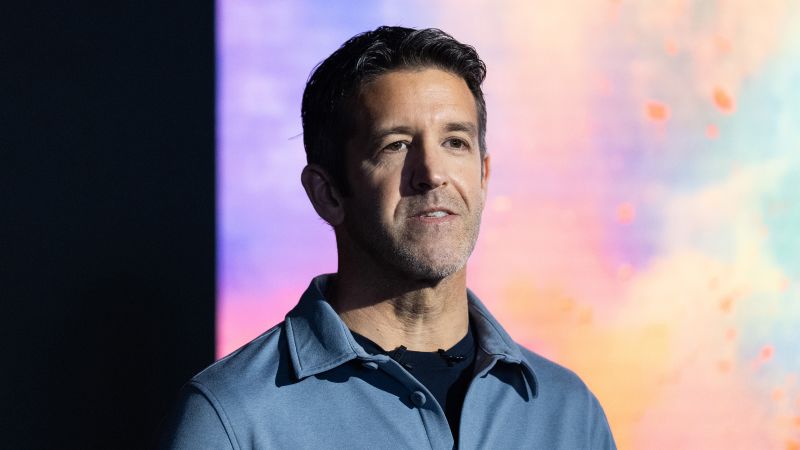
Apple’s New CEO Signals Shift Toward AI Dominance
Apple’s Monday announcement that CEO Tim Cook will step down and John Ternus will take over highlights a pivotal moment for the tech giant. This transition suggests Apple is prioritizing AI as the cornerstone of its future innovation. Despite the iPhone’s ongoing success, which contributed to Apple’s $4 trillion valuation in 2025, the company is now positioning itself for a new era driven by artificial intelligence.
The Legacy of Hardware Leadership
Tim Cook expanded the iPhone beyond a simple phone into a platform for emerging markets like wearables and health tech. Now, John Ternus faces the challenge of steering Apple toward AI-centric advancements. While Ternus’s expertise is rooted in hardware engineering, his role as senior vice president since 2021 has given him deep insight into Apple’s product design and manufacturing processes.
Apple’s chips, custom-built for devices like the iPhone and Mac, are central to its competitive edge. These specialized components offer superior power efficiency and enable unique features, unlike competitors who rely on chips from Qualcomm or Intel. Ternus’s familiarity with this hardware-software integration could be critical as AI reshapes user interactions and device capabilities.
“Hardware innovation will be ‘the heart and lungs of Apple’s success’ moving forward,” said Dan Ives of Wedbush Securities. “Ternus’s leadership ensures this foundation remains strong.”
Analysts like Gil Luria of D.A. Davidson echo this sentiment, noting that Ternus’s experience with Apple’s hardware teams aligns with the company’s strategy to build AI-powered gadgets. Bloomberg reports Apple is set to launch its first foldable iPhone in September 2026, which could mark a significant evolution in its product lineup under Ternus’s guidance.
AI Ambitions and Strategic Moves
Current AI features on Apple devices, such as photo editing, message summarization, and language translation, showcase the company’s early integration of artificial intelligence. However, a comprehensive AI roadmap for future products remains unannounced. Ternus, who led the MacBook Neo’s launch in March 2026, has already demonstrated his ability to drive product innovation.
Apple isn’t the only player in the AI race. Qualcomm has developed chips tailored for AI-enabled accessories like smart pendants, while OpenAI has enlisted Apple’s former design chief, Jony Ive, for hardware projects. Yet, Ternus’s focus on hardware may position Apple uniquely to dominate the next generation of AI-driven devices.
“Ternus’s extensive experience with Apple products makes him a stable choice in the near term,” remarked Francisco Jeronimo of International Data Corporation. “But long-term success will depend on bold decisions in the AI age.”
With AI at the forefront, Apple’s upcoming ventures, including rumored smart glasses and camera-equipped AirPods, could redefine its market position. As the tech industry scrambles to adapt, Ternus’s leadership may determine whether Apple remains a leader in innovation or risks becoming a platform for other AI services.
