
Is Britain ungovernable?
Is Britain Ungovernable?
Is Britain ungovernable – As the UK grapples with an accelerating shift in political leadership, questions arise about whether the country has become ungovernable. Anthony Seldon, a respected historian and biographer of British prime ministers since the 1990s, has observed a concerning pattern in recent years. Once predictable in their tenure, leaders now face frequent challenges, with the Conservative Party experiencing rapid leadership changes. Seldon, who is nearing the end of his career, has raised concerns that the pace of turnover might render his latest work incomplete, signaling a deeper instability in governance. The term “ungovernable” has gained traction, reflecting a growing perception that the nation’s political stability is under threat.
The Leadership Turmoil
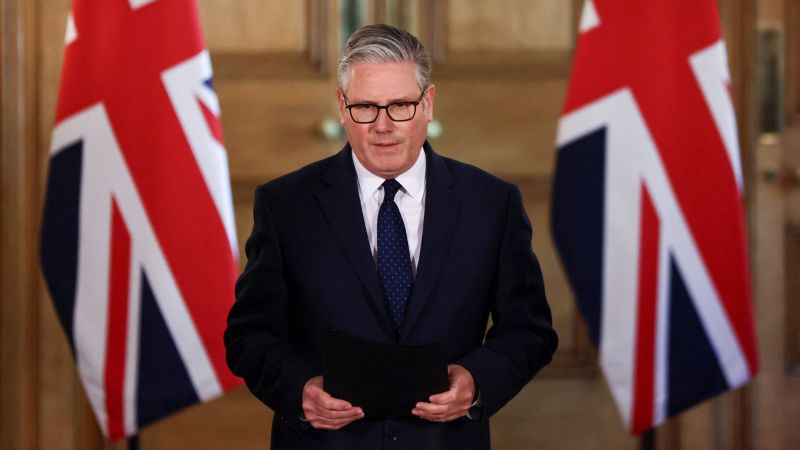
Keir Starmer’s rise to power in 2024 was initially viewed as a beacon of change, promising a new era of political cohesion. Labour’s sweeping parliamentary victory and their pledge to deliver a “decade of renewal” instilled optimism among voters. However, this optimism has waned as local elections have shown a sharp decline in support for the ruling party. In England, Scotland, and Wales, the electorate has increasingly turned against Starmer’s candidates, suggesting a lack of public confidence. This erosion of trust has emboldened Starmer’s own colleagues to question his direction, with whispers of a potential leadership challenge already circulating. The cycle of leadership instability continues, raising concerns about whether the UK can sustain effective governance in the long term.
Despite Starmer’s efforts to reestablish order, the political landscape remains volatile. Seldon’s upcoming biography of Rishi Sunak, the former Conservative prime minister, is expected to explore the challenges of maintaining stability in a fragmented party. With the UK potentially poised for another leadership change by the end of the year, the country may soon have its sixth prime minister in seven years. Such a rapid pace of change has led some to argue that the nation’s governance is no longer consistent, with the concept of “ungovernable” gaining relevance in the current climate.
Economic and Political Pressures
The UK’s struggles with leadership extend beyond political factions and into the economic sphere. A decade of stagnant real wages, exacerbated by the aftermath of the 2008 financial crisis, has left many households feeling financially strained. This economic uncertainty has been compounded by the pandemic’s inflationary effects and the ongoing impact of Brexit, which has reportedly cost the economy up to 8% in GDP per person. These challenges have created a backdrop of instability, making it harder for leaders to implement lasting reforms or maintain public support. The interplay of economic hardship and political fragmentation has intensified speculation about the nation’s ability to govern effectively.
Compounding the situation is the decline of the traditional two-party system, which once provided a clear path for governance. The first-past-the-post model, while effective in simpler times, now faces criticism for producing a fragmented political environment. In England, the Conservative and Labour dominance has weakened, allowing smaller parties and regional movements to gain ground. Scotland and Wales are even more complex, with nationalist and independent factions potentially creating a six-way electoral race. This diversity of voices, while a hallmark of democracy, has made it difficult to achieve consensus and pass coherent legislation. The result is a political environment that many now describe as ungovernable.
Debt levels have also reached historic highs, with the UK’s government bonds yielding more than any other G7 nation. Industrial electricity costs, meanwhile, remain the most expensive in the group, adding to the financial burden on businesses and families. These economic pressures, combined with political instability, have led to calls for a reassessment of the country’s governance model. While Seldon believes the root cause lies in leadership failures, others argue that the system itself is now too fractured to function as it once did. The question remains: can Britain adapt to this new reality, or is it on the edge of becoming ungovernable?
