

A 2,000-Year-Old French Cheese Has Become the Internet’s New Foodie Obsession
A 2 000 year old French – France has always been synonymous with its rich cheese culture, yet even those immersed in its culinary traditions are now marveling at this particular variety. Recently, a cheese with ancient roots has captured the attention of food enthusiasts across the globe, sparking a viral phenomenon that blurs the lines between novelty and heritage.
The Unique Texture of Cancoillotte
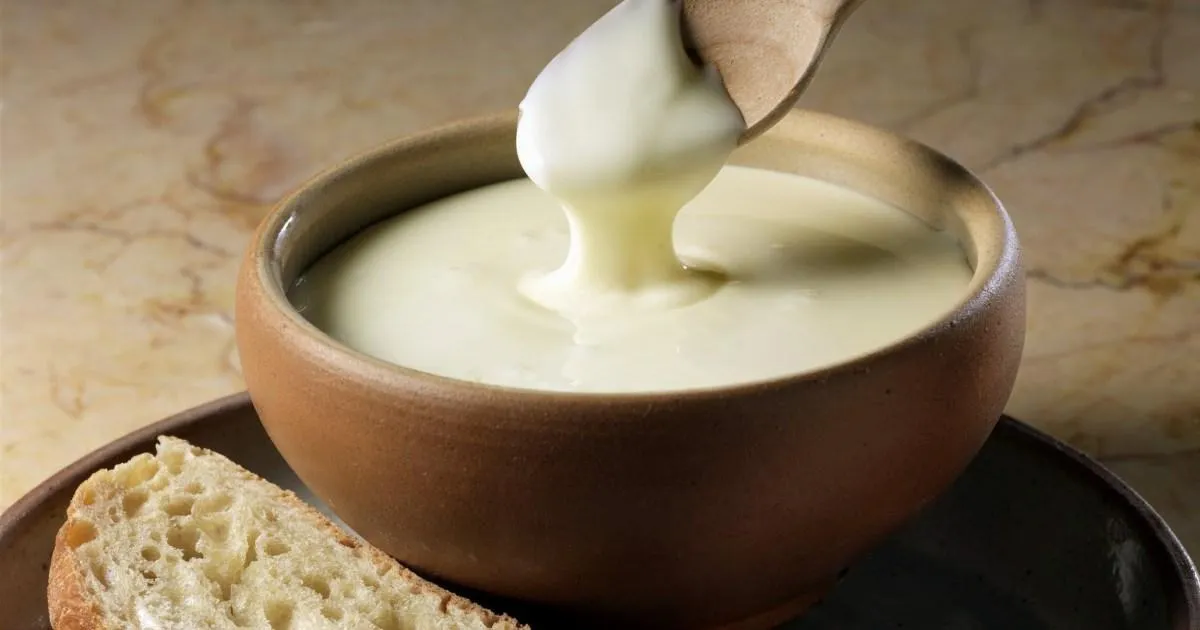
At the heart of this trend is a cheese known as Cancoillotte, pronounced “can-quoi-yote.” Its name may be unfamiliar, but its appeal is undeniable. Often described as a hybrid between a sauce and a fondue, Cancoillotte boasts a silky, runny consistency that sets it apart from other dairy products. This texture, which some liken to “the glue” due to its clingy, spreadable nature, has become a talking point online, drawing comparisons to a gourmet condiment.
“Part of its appeal on social media is undoubtedly its texture.”
The cheese’s versatility is another factor in its rising fame. Whether slathered on crusty bread, served as a dip for fresh vegetables, or enjoyed straight from its pot with a spoon, Cancoillotte offers a range of culinary possibilities. Its ability to transform into a glossy, stretchy mass when warmed has made it a favorite for creative food videos, especially on platforms like TikTok where visual appeal reigns supreme.
A Culinary Discovery with Ancient Roots
Cancoillotte’s history dates back over two millennia, with origins in the Franche-Comté region of eastern France. The cheese is crafted from metton, a type of skimmed cow’s milk, which undergoes a meticulous process of coagulation, gentle heating, and pressing to create a crumbly curd. This curd then matures and ferments for several days, developing a bold aroma that adds to its allure.
Florent Gacon, co-founder of The French Comte in London’s Borough Market, highlights the cheese’s distinct flavor profile. “It’s savoury, tangy, and gently nutty with a distinctive fermented character that gives it a lot of depth,” he explains. Despite its pungent scent, which might initially deter some, the taste is surprisingly delicate and comforting, offering a sensory experience that lingers long after the final bite.
The Rise of a Regional Specialty
Since 2022, Cancoillotte has been officially recognized as a Protected Geographical Indication (PGI), a European designation that ensures its quality and authenticity. This label guarantees that at least one stage of production occurs in the Franche-Comté region or neighboring departments like Ain, Saône-et-Loire, Côte d’Or, Haute-Marne, and Vosges. Such a certification underscores its cultural significance and elevates its status among discerning consumers.
While it remains a specialty in France, Cancoillotte is now gaining traction in the UK. Florent notes that its niche appeal is growing, fueled by social media and a broader interest in regional foods. “Consumers are increasingly becoming interested in lesser-known cheeses,” he says. “Cancoillotte offers something genuinely different from the everyday staples most people are used to.”
Social Media’s Role in the Cheese’s Success
The internet has played a pivotal role in Cancoillotte’s meteoric rise. Gym enthusiasts, in particular, have embraced it as a “cheat code” for indulging in cheese without compromising their fitness goals. With less than 10% fat and a high protein content of around 16g per 100g, it’s a protein-packed alternative to traditional dairy products.
“How is it scientifically possible that a melted cheese is so delicious and has almost no fat in it?”
Influencer @johanpapz, who shares a post about Cancoillotte with over 2.2 million views, has become a vocal advocate. Known for his six-day-a-week workout routine, Johan describes the cheese as a game-changer. “The day I discovered Cancoillotte was the best day of my life,” he claims, showcasing his toned physique as he douses a plate of potatoes in the creamy substance. His enthusiasm has sparked a wave of interest, with many followers declaring it their “number one favourite” and even calling it “so indulgent” that they can’t imagine life without it.
Flavored Variations and Accessibility
Beyond the natural variety, Cancoillotte is now available in several flavored iterations, including garlic, shallot, and Jura wine. These options cater to diverse tastes, expanding its appeal to both traditionalists and adventurous eaters. For those seeking authenticity, the cheese is sold at The French Comte’s stall in Borough Market, as well as online through the brand’s website.
For UK residents outside London, the challenge lies in locating local cheesemongers or French specialty shops. La Petite France in Tunbridge Wells, Kent, is one such destination, where connoisseurs can explore the cheese’s many forms. A 200g tub of the natural version costs £7.50, while flavored options may come at a slightly higher price, depending on availability.
Cancoillotte’s journey from ancient dairy staple to modern foodie sensation reflects a broader trend of rediscovering forgotten or underappreciated products. Its unique combination of texture, flavor, and nutritional value has positioned it as a standout in the crowded cheese market, proving that even time-honored foods can find new life in the digital age.
This site is protected by reCAPTCHA, and the Google Privacy Policy and Terms of Service apply. Your information will be used in line with our Privacy Policy.
Meanwhile, a separate story highlights a local attraction near London: a safari park offering discounted tickets and a unique wildlife experience for just £60 for two. While not directly related to Cancoillotte, it underscores the region’s role in fostering both culinary and recreational innovation.
As Cancoillotte continues to gain traction, its popularity may soon shift from a niche curiosity to a mainstream favorite. With its blend of history, flavor, and practicality, it’s a testament to how traditional foods can evolve to meet contemporary tastes and lifestyles.