

British Commandos Seize Russian Shadow Fleet Ship in Channel; Captain Charged with Sanctions Violations
Captain of Russian shadow fleet ship – British commandos have successfully intercepted a Russian shadow fleet vessel, marking a pivotal moment in the UK’s efforts to curb the flow of sanctioned oil. The operation, which took place in the English Channel on Sunday, resulted in the arrest of Ajay Pant, a 38-year-old Indian national serving as the ship’s captain. Pant is scheduled to appear at Southampton Magistrates Court the following day, facing charges related to breaching international sanctions.
The National Crime Agency (NCA) confirmed that Pant will be charged with contravening the UK’s sanctions against Russia. Specifically, he is accused of facilitating the transport of prohibited oil or oil products from Russia to a third country during June 2026. The interception of the Smyrtos, a vessel flagged as part of Russia’s shadow fleet, represents the first UK-led operation to seize a sanctioned ship, according to authorities.
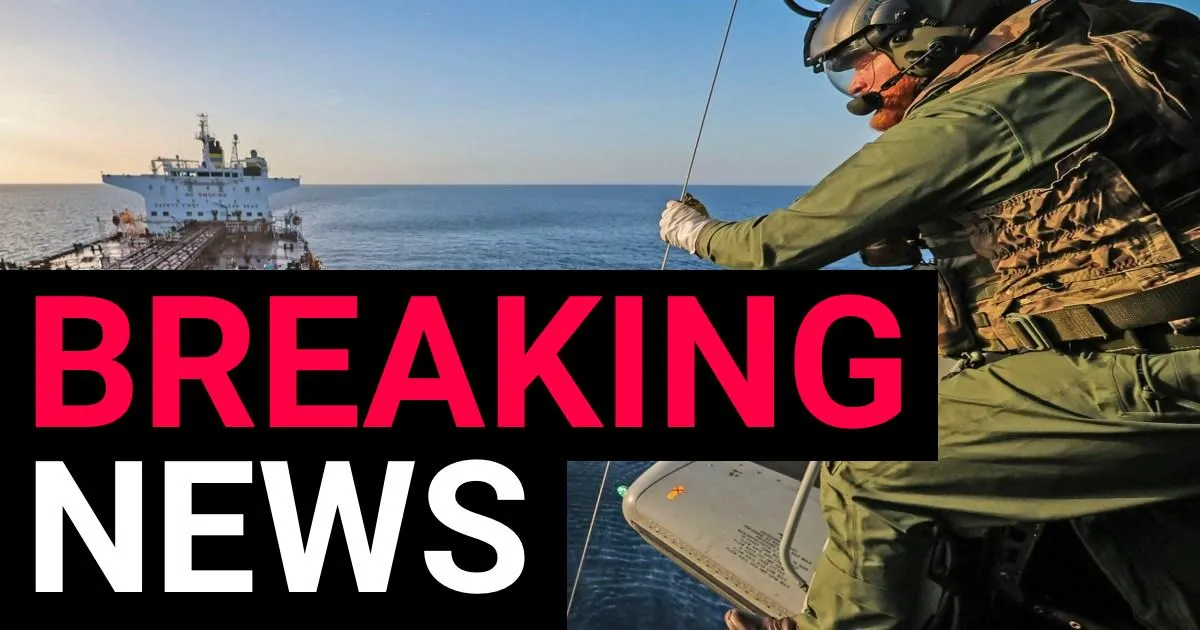
The Royal Marine commandos and NCA officers executed the operation early on Sunday, capturing the tanker off the coast of Dorset. The Smyrtos is currently anchored at Weymouth, where it is under continuous surveillance. This strategic move underscores the UK’s commitment to enforcing economic sanctions aimed at isolating Russia from global energy markets. The vessel, which is believed to be part of a larger network of ships operating under obscure ownership, has been identified as a key asset in Russia’s efforts to circumvent international restrictions.
Context of the Shadow Fleet and UK’s Strategic Actions
Russia’s so-called “shadow fleet” plays a critical role in its energy export strategy, with the Ministry of Defence (MoD) estimating that it carries 75% of the country’s sanctioned oil. These vessels operate under anonymous ownership structures, allowing them to bypass sanctions imposed by Western nations. The UK has sanctioned over 550 such ships, with more than 200 having been forced to anchor in response to coordinated efforts by the UK and its allies.
In a statement to Parliament, Dan Jarvis, the newly appointed Defence Secretary, emphasized the significance of the operation. “The UK’s interdiction of this vessel delivers a decisive blow to Putin’s war efforts,” he said. Jarvis highlighted the UK’s strategy of maintaining a balance between deterrence and de-escalation, stating, “We do not seek escalation, but we will always take the necessary steps to enforce UK sanctions. This action demonstrates the UK’s ability to act decisively against Russia’s economic machinery.”
Lisa Nandy, a senior figure in the UK government, echoed this sentiment in an interview with Sky News. “One of the prime minister’s early directives was to ensure we take decisive action to protect national security and counter Russian influence,” she explained. Nandy praised the Navy officers involved in the operation, noting that their success sends a strong message to Russia: “This is a significant blow to the Russians, and it shows the UK and its partners are ready to challenge the regime’s access to global resources.”
The Smyrtos operation follows another successful interception on June 1st, where a second sanctioned oil tanker suspected of being part of the shadow fleet was detained with UK support. These actions are part of a broader campaign to disrupt Russia’s ability to sustain its military operations through energy exports. Analysts suggest that by targeting these vessels, the UK aims to weaken Russia’s economic leverage and reduce its reliance on Western markets.
International Sanctions and the Shadow Fleet’s Role
The shadow fleet has become a symbol of Russia’s resilience in the face of international sanctions. By operating through offshore entities and using vessels registered in neutral jurisdictions, Moscow has managed to keep a substantial portion of its oil exports flowing despite global restrictions. The UK’s actions in the Channel are seen as a direct challenge to this system, targeting the supply chain that supports Russia’s war efforts.
The NCA has been at the forefront of these operations, working closely with the Royal Navy to identify and intercept sanctioned ships. The Smyrtos, with its reported capacity to transport large quantities of oil, is a prime example of how these vessels are used to circumvent sanctions. According to the MoD, the shadow fleet’s activities have allowed Russia to maintain a steady flow of revenue from its oil exports, even as it faces economic pressure from Western countries.
While the UK’s sanctions have had a measurable impact, Russia has adapted by expanding its shadow fleet operations. The success of the Channel operation highlights the importance of international cooperation in countering these efforts. The UK’s ability to act independently in the region, supported by its allies, has set a precedent for future actions against sanctioned vessels.
As the captain of the Smyrtos faces legal proceedings, the UK government continues to emphasize the strategic importance of these intercepts. The operation not only disrupts Russia’s oil supply chain but also serves as a demonstration of the UK’s readiness to enforce its sanctions regime. With over 550 shadow fleet vessels sanctioned and 200 already anchored due to previous actions, the UK’s efforts are gaining momentum in the fight against Russian economic influence.
The broader implications of this operation extend beyond the immediate capture of a single ship. It signals a shift in the UK’s approach to sanctions enforcement, combining military and legal strategies to maximize impact. By targeting vessels in transit, the UK aims to cut off Russia’s access to critical resources, forcing the regime to rethink its economic strategies.
Meanwhile, the intercepted Smyrtos remains a focal point for investigations into its cargo and operational history. The vessel’s capture is expected to provide valuable insights into the logistics of the shadow fleet and its connections to Russia’s energy sector. This information could be used to strengthen future sanctions and identify additional targets in the network.
The UK’s actions have also drawn attention to the broader geopolitical stakes involved. With Russia’s oil exports being a major source of funding for its military campaigns, disrupting these flows could have far-reaching consequences. The government’s commitment to this effort is evident in the continued support for the Royal Navy and NCA, as well as the emphasis on swift and decisive enforcement of sanctions.
As the case against Ajay Pant unfolds, it serves as a reminder of the UK’s role in the global fight against Russian aggression. The operation in the Channel is not just a legal proceeding but a symbolic victory in the battle to limit Russia’s access to international markets. With more intercepts planned, the UK is poised to take a leading role in shaping the future of sanctions enforcement and the fight against the shadow fleet.
The National Crime Agency (NCA) has reiterated that the interception of the Smyrtos is a critical step in dismantling Russia’s sanctions evasion network. The agency’s success in this operation is attributed to its advanced surveillance capabilities and collaboration with military forces. This partnership has proven vital in tracking and seizing vessels that pose a threat to international trade and security.
In addition to the legal charges against Pant, the operation has raised questions about the long-term viability of the shadow fleet. With increasing pressure from the UK and its allies, Russia may be forced to consolidate its operations or adopt more covert methods to continue exporting sanctioned oil. The Smyrtos’ capture, however, stands as a testament to the UK’s ability to disrupt these efforts and send a clear message to the Kremlin.