
Cowboy Builder Faked Cancer Diagnosis to Avoid Completing Projects
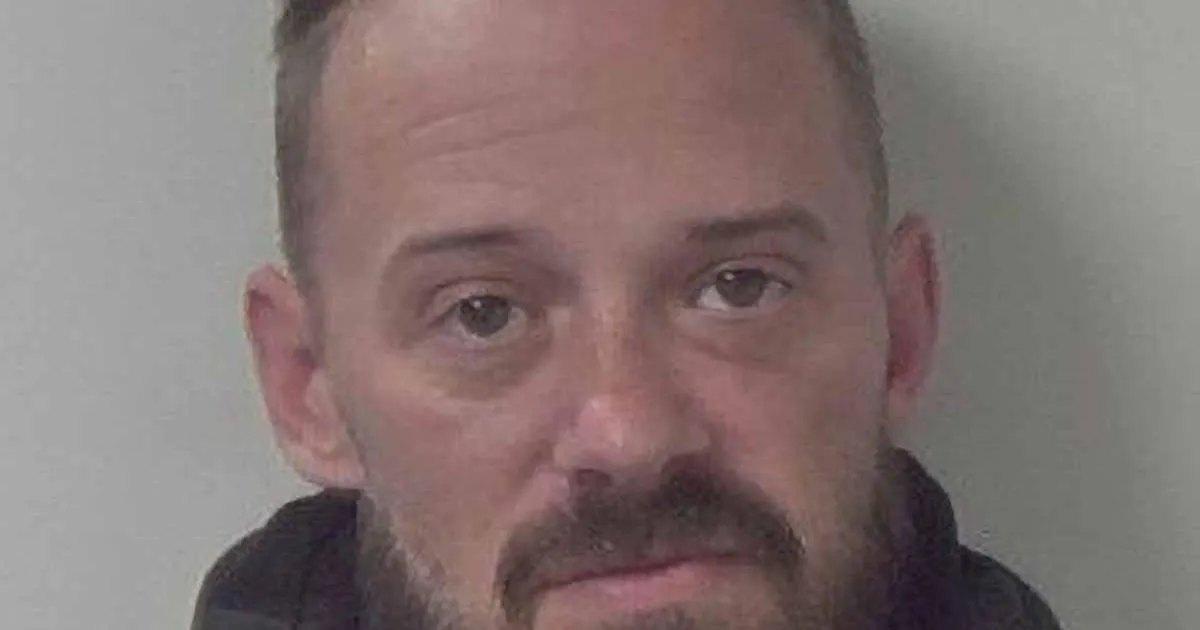
Cowboy builder faked having cancer to dodge – Michael Rylands, a builder based in Sandwich, Kent, orchestrated a series of frauds by deceiving clients into paying for work that was never completed. His scheme involved falsely claiming he was undergoing cancer treatment, using this as an excuse to avoid finishing jobs and disappear with the money. Over the course of multiple projects, Rylands targeted various businesses and individuals, leaving them financially and emotionally distressed.
Scams at a Pre-School and Office Renovation
Rylands’ deceit began with a pre-school in east Kent. He assured the staff he would complete the playground project but then accepted £6,000 in advance and vanished, leaving behind unfinished work and a trail of confusion. When questioned about the incomplete tasks, he resorted to a fabricated story, stating he was receiving cancer treatment and unable to finish the project. The climbing frame he promised to install never arrived, despite his claim that it had been ordered.
Later, Rylands took on a window installation job for an office renovation. He was paid £3,000 upfront but never delivered the windows, nor did he install them. When confronted, he told the client the windows had been stolen, shifting blame onto third parties. This pattern of behavior continued with another victim who paid £2,000 for a bathroom renovation. She received an anonymous email warning her about Rylands’ dishonesty and demanded her money back. He then claimed his bank account had been frozen, a tactic he had previously used to evade responsibility.
Blaming Postal Services and Banks for Missing Goods
During one of the incidents, a client reported that their tools and cash had disappeared from the property while Rylands was working. This added to the growing list of grievances against him. When the client tried to collect a laptop he had promised to deliver, Rylands falsely told them he had been admitted to the hospital and would send it later. The laptop never arrived, and he refused to return the £450 paid, attributing the loss to both the postal service and his bank.
These incidents were not isolated. Rylands had a history of using medical excuses to avoid accountability. In July 2020, a woman who had hired him for a bathroom renovation learned of his fraudulent practices through an anonymous email. She confronted him and sought reimbursement, but he repeated his claim of a frozen bank account. Another victim shared a similar experience, reporting that their ensuite bathroom was incomplete and their tools had gone missing. Both instances highlighted Rylands’ disregard for his clients’ trust and property.
Disappearing Acts and Legal Consequences
In November 2022, Rylands attempted to obstruct a different fraud case by fabricating hospital appointments for cancer treatment. His claim was part of a strategy to delay proceedings and evade consequences. However, when investigators checked the hospital records, they found no evidence of his presence on the patient database. This revelation led to charges of perverting the course of justice, a serious accusation that underscored the severity of his actions.
Rylands’ fraud culminated in a trial at Canterbury Crown Court. There, he admitted to seven counts of deception, including failing to complete projects and misleading the court with his cancer story. The admission revealed his lack of remorse, as he had previously believed that presenting a fake illness would serve as a shield against legal repercussions. DC Benjamin Deegan, the officer leading the investigation, described Rylands as a habitual liar who exploited people’s trust for personal gain.
‘Our investigation uncovered a trail of unhappy people who had put their trust in Rylands and ended up out of pocket. He seemed to show little remorse for his actions, and thought that claiming he had cancer would provide him with a get-out-of-jail-free card. He had a flagrant disregard for people and property, and I am pleased we were able to bring him to court to face justice.’
A Pattern of Deception and Escalating Fraud
Rylands’ scheme spanned several months, with each client falling victim to his elaborate lies. The preschool, the office renovation, and the bathroom projects were all part of a broader pattern where he used medical excuses as a crutch to avoid responsibility. His tactics grew more brazen over time, as he began to manipulate his clients with increasingly creative stories.
When the preschool staff discovered the incomplete work, they questioned Rylands about his claim of cancer treatment. His response was to assert that his bank had been frozen, a detail that further complicated the situation. This excuse, while plausible, was part of a larger strategy to evade accountability. Rylands’ behavior suggested a deliberate attempt to exploit the emotional vulnerability of his victims, who were often left with no recourse.
Another case involved a client who paid for a bathroom renovation and later found their tools missing. Rylands’ claim that the items had been stolen added a layer of confusion, making it harder for the victim to prove his dishonesty. This incident, combined with others, painted a picture of a builder who was not only untrustworthy but also unwilling to admit fault.
The legal battle against Rylands intensified in 2022, when he was a defendant in a separate case. His use of the cancer excuse during this trial was a calculated move to stall the proceedings. However, the lack of hospital records disproved his claim, forcing the court to consider his actions as intentional deception. The charges of perverting the course of justice reflected the gravity of his fraud, which extended beyond mere financial loss to undermining the legal system itself.
Consequences and a Confident Admission
At Canterbury Crown Court, Rylands faced seven fraud charges and admitted to fabricating his cancer diagnosis. His confidence in the courtroom contrasted sharply with the frustration of his victims, who had lost money and time due to his actions. The admission highlighted his awareness of the consequences, yet his continued use of the cancer story suggested a belief that it would protect him from punishment.
DC Benjamin Deegan emphasized that Rylands’ crimes were not just about pocketing money but also about eroding trust. The investigation revealed a sequence of events where each client was lured by his promises, only to be left with unfinished work and a sense of betrayal. Rylands’ ability to present a convincing medical narrative made it easier for him to manipulate his victims into accepting his excuses.
Despite the evidence against him, Rylands maintained a facade of innocence, believing that his fabricated illness would serve as a defense. However, the court’s findings proved otherwise, demonstrating that his actions were premeditated. The case against him became a testament to the importance of verifying claims, especially when they involve serious health conditions.
Rylands’ story is a cautionary tale of how a single lie can spiral into a web of deceit. His ability to deceive multiple clients over an extended period showcased his cunning and his lack of ethical standards. The legal system ultimately caught up with him, as his fraudulent behavior was exposed and he was held accountable for the harm caused. His admission in court marked the end of an era where he could evade justice through sheer audacity and manipulation.
This site is protected by reCAPTCHA and the Google Privacy Policy and Terms of Service apply. Your information will be used in line with our Privacy Policy.