
England’s World Cup Lineup Against Panama Shifts with Key Changes
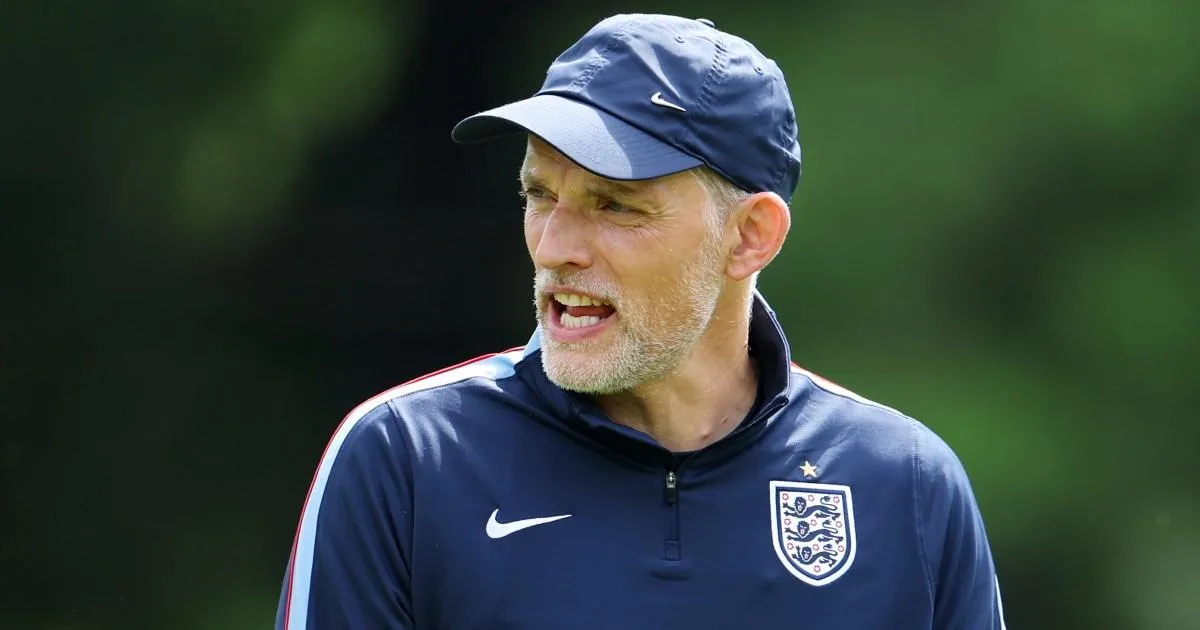
England team news vs Panama confirmed – The England national team has unveiled its starting XI for the crucial World Cup clash against Panama, marking a significant overhaul from the lineup that faced Ghana. Manager Thomas Tuchel has made five notable adjustments, reshaping the squad’s tactical approach for this pivotal group stage encounter. The match, set to take place in New Jersey at 10pm UK time, will determine whether England secures a spot as Group L champions or risks elimination. This game carries weight, as the Three Lions must triumph to ensure their advancement to the knockout stages, with Ghana’s match against Croatia simultaneously unfolding.
While the team has already booked its place in the next phase, the result against Panama remains vital. A win would cement their position as group winners, whereas a draw or loss could force them into a high-stakes play-off. The tactical shift appears driven by concerns over player fitness, which has disrupted the squad’s continuity throughout the tournament. Reece James, a key asset for England, is sidelined due to a hamstring injury, potentially ending his World Cup campaign. His absence has prompted Tuchel to reconfigure the backline, introducing a new dynamic that may test the team’s adaptability.
Midfield Adjustments and Tactical Dilemmas
Tuchel’s decisions in the midfield have sparked debate among analysts and fans alike. Declan Rice and Elliot Anderson, the first-choice pairing, have been cleared to play but remain cautious due to lingering injuries. Their presence adds defensive solidity, but questions linger about their ability to dictate play. The manager has opted to move Jude Bellingham into a deeper role, pairing him with Anderson to bolster the team’s central structure. This shift signals a focus on ball retention and counter-attacking efficiency, though some argue it sacrifices creative flair.
Anthony Gordon and Noni Madueke, who started the draw against Ghana, face uncertain futures. Their performances in that match were criticized for lacking impact, leading to calls for their removal from the starting XI. Tuchel’s response has been to introduce fresh energy, with Marcus Rashford and Bukayo Saka stepping into the flanks. The former Manchester United star and Arsenal’s rising talent bring different attributes to the side, potentially enhancing England’s width and attacking options.
The most surprising alteration occurs at the right-back position, where Jarrell Quansah of Bayer Leverkusen has been selected over the more experienced spencer. This decision has raised eyebrows, as Quansah’s defensive capabilities are yet to be fully tested at the international level. Meanwhile, Nico O’Reilly returns to the left-back role, a move that underscores his reliability in high-pressure situations. These changes reflect Tuchel’s willingness to prioritize versatility and tactical balance over traditional lineups.
Historical Context and Managerial Philosophy
Thomas Tuchel’s team management has been characterized by a blend of pragmatism and innovation. His decision to drop James and select Quansah highlights a strategic focus on long-term development over short-term gains. This approach aligns with his broader vision for the tournament, which emphasizes structured play and minimizing defensive vulnerabilities. However, the move has not been universally welcomed, with England legend Rio Ferdinand expressing disappointment.
Ferdinand argued that Kobbie Mainoo, who remains on the bench, should have been given a chance to showcase his skills. The former defender, known for his pressing and distribution, has been vocal about the need to integrate young talent into the starting XI. “If we play Anderson and Rice in midfield, we’re not a team that can control a game or execute quick transitions,” Ferdinand noted in a recent analysis. “They’re great at retrieving the ball and stopping, but being able to get the ball off the back line and move it through the team precisely is their key role.”
“Being able to get the ball off the back line and transfer it through the team, precisely through the lines, into the more dangerous areas of the final third, those players, that’s not their first call and their best attributes as players.”
These words underscore the debate surrounding Tuchel’s tactical choices. While Rice and Anderson bring resilience, their limitations in initiating attacks have been evident. Ferdinand’s critique highlights the need for a player like Mainoo, who combines technical ability with proactive pressing, to contribute more actively. The manager, however, remains committed to his strategy, believing the current lineup offers the best chance to secure a decisive victory.
Broader Implications for the Tournament
The changes to England’s lineup have broader implications for the World Cup’s progression. Group L’s competitive balance means that a strong performance against Panama could solidify England’s position as favorites for the knockout rounds. Conversely, a loss might force them into a high-stakes tie with Ghana or Croatia, depending on results. The squad’s ability to adapt to Tuchel’s new system will be critical, as the manager aims to address weaknesses while capitalizing on strengths.
Meanwhile, the fitness challenges faced by key players have added an extra layer of complexity. James’s injury, along with others, has forced Tuchel to rely on depth and contingency plans. This situation reflects the physical demands of the tournament and the importance of having a flexible squad. As the Three Lions prepare for their final group game, the focus remains on maximizing performance under pressure, with every decision potentially shaping their path to glory.
The build-up to the match has also seen an increase in media attention, with fans and analysts dissecting every tactical adjustment. The team’s need to maintain momentum after a draw with Ghana has been a central theme, as Tuchel seeks to instill confidence in his players. The introduction of new faces, such as Rashford and Saka, could provide a psychological boost, but their integration into the system will require seamless execution.
Looking Ahead to the Knockout Stages
As England prepares for this match, the spotlight is on their ability to translate Tuchel’s tactical vision into results. The manager’s emphasis on defensive organization and counter-attacking play will need to be balanced with attacking creativity, especially against a Panama side that may be looking to capitalize on England’s vulnerabilities. The stakes are high, with the team’s future depending on a single game.
The World Cup continues to deliver drama and uncertainty, and England’s lineup changes are just one example of the challenges faced by teams in this global competition. Whether these adjustments will prove effective or if the squad’s resilience will carry them to success remains to be seen. As the Three Lions take to the pitch, the world will be watching to see if Tuchel’s bold decisions lead to a historic victory or a setback in their quest for glory.
For those seeking a comprehensive overview of the tournament, a daily newsletter provides insights into England’s progress, key matches, and stories that might otherwise go unnoticed. Subscribers gain access to real-time updates, strategic analyses, and behind-the-scenes perspectives, ensuring they stay informed about every development. The site’s commitment to transparency is also reflected in its use of reCAPTCHA, safeguarding user data in line with Google’s privacy policies and terms of service.
As the World Cup progresses, the England team’s ability to adapt and execute will be a defining factor. The lineup against Panama is a testament to Tuchel’s evolving strategy, but the real test lies in how effectively these changes translate to success on the pitch. With the knockout stages looming, every decision becomes a gamble—and the Three Lions are hoping this one pays off.