
Fortnite Uses AI to Design Skins, Charging Up to £15
The Integration of AI in Fortnite’s Artistic Workflow
Fortnite is using AI to help – Epic Games is integrating AI into Fortnite’s design process, leveraging it to streamline the creation of in-game cosmetics. The company has long championed generative AI, highlighting its potential to transform traditional methods of art production. CEO Tim Sweeney has emphasized that AI will be central to nearly all future game development, arguing that automation now allows for greater efficiency. This shift is evident in recent projects, such as the AI-generated characters that can engage in unscripted conversations with players, a feature that has sparked both intrigue and debate within the gaming community.
One of the latest demonstrations of this technology involved an internal tool called Gen Media Bridge, which was showcased in an exclusive YouTube video. The footage highlighted how AI takes hand-drawn sketches and converts them into fully rendered 3D models, significantly reducing the time required for manual design. While the video underscored the tool’s capabilities, many players expressed concerns, noting that the AI sometimes introduced unexpected elements—like a skull on a character’s pouch—despite being instructed not to. This inconsistency has fueled questions about the reliability of AI in maintaining design integrity.
Controversy and Player Reactions
The backlash against Fortnite’s AI-driven design process has intensified, with fans questioning the role of human creativity in the game’s visuals. Some argue that the use of AI not only accelerates production but also allows for more strategic control over aesthetic choices, potentially prioritizing profit over artistic authenticity. “If the AI can ignore prompts and add unrequested details, what’s the point of using it?” one player remarked, capturing the growing frustration. Critics also point to Epic’s decision to cut 1,000 employees in March as evidence that cost-cutting is a primary motive behind the technology’s adoption.
Despite these concerns, Epic maintains that “creative control remains in the hands of the creator,” positioning AI as a supplementary tool rather than a replacement. The company asserts that designers use the AI to refine their visions, with human oversight ensuring alignment with the game’s brand. This approach mirrors similar strategies by other studios, such as Crystal Dynamics, which previously used AI for the Tomb Raider remake. Yet, the effectiveness of this model in Fortnite remains a topic of heated discussion, especially as the game’s free-to-play model continues to drive in-game purchases.
Monetization and Design Choices
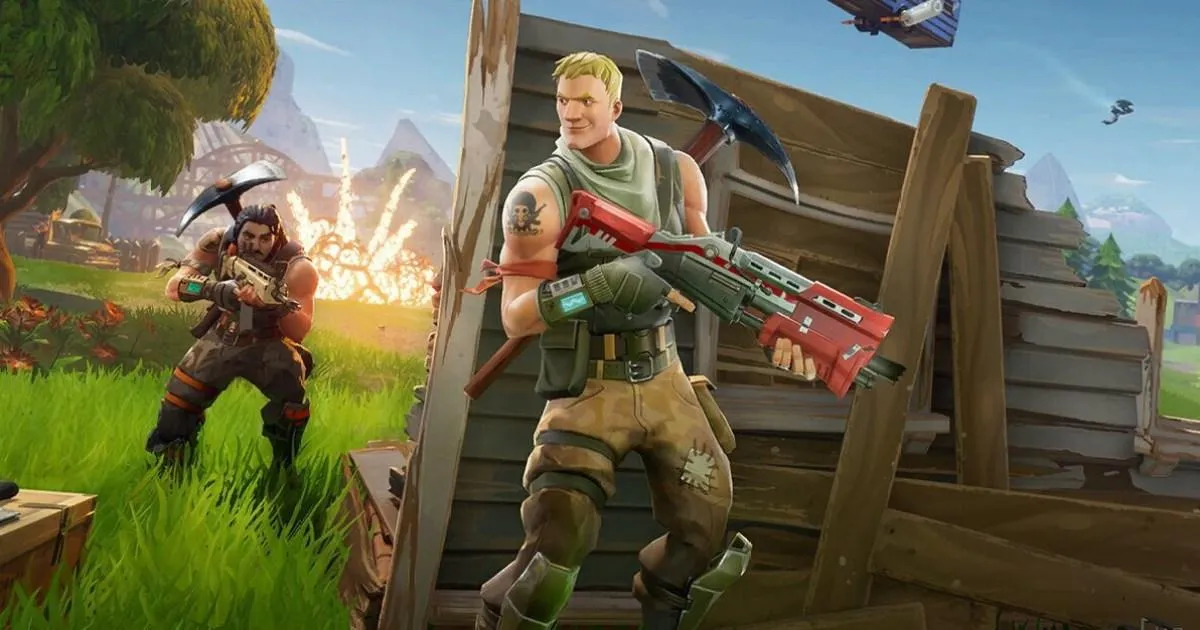
Fortnite’s reliance on AI has coincided with a recent surge in skin prices, raising eyebrows among players. The most expensive cosmetic items now cost 2,000 V-Bucks, equivalent to around £15 in bulk purchases. This pricing strategy has been scrutinized for its impact on player satisfaction, with some believing that AI’s use is not just about efficiency but also about increasing revenue. “The AI is being used to make skins faster, but it’s also helping the company sell them at higher prices,” a commenter noted, linking the technological shift to financial gains.
Players are also wary of how AI might influence design trends. While the tool offers speed and consistency, critics fear it could lead to a homogenization of styles, making Fortnite’s visuals feel less unique. “No one wants AI dogs in the game. Hire actual artists and designers. Your company is worth millions. Do better,” a fan wrote, expressing a desire for more human creativity. These sentiments reflect a broader tension between innovation and tradition in game development, as studios navigate the balance between automation and artistic craftsmanship.
Future Implications for Game Development
The growing adoption of AI in Fortnite’s design process signals a potential shift in the broader gaming industry. As studios explore automation, the question arises: how much of the creative process can be outsourced without compromising the game’s identity? Epic’s approach, which emphasizes AI as a collaborative tool rather than a replacement, may serve as a template for others. However, the success of this model depends on how well it can integrate with existing workflows while addressing player concerns about authenticity and value.
Ultimately, the integration of AI in Fortnite is a double-edged sword. While it promises to enhance efficiency and reduce costs, it also challenges the perception of what constitutes a hand-crafted game experience. As the technology continues to evolve, its impact on both the creative and commercial aspects of game design will likely remain a central point of discussion. Whether players see it as a breakthrough or a threat to the game’s soul, one thing is clear: Fortnite’s use of AI is reshaping the landscape of in-game cosmetics and player expectations alike.