
Keir Starmer Apologizes to Forced Adoption Victims
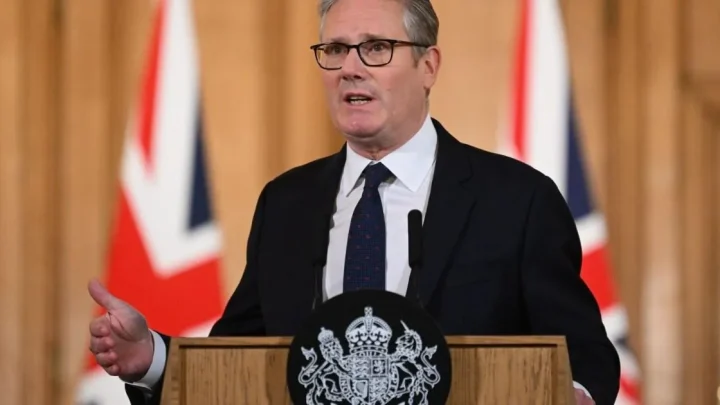
Keir Starmer tells victims of forced – Prime Minister Sir Keir Starmer has extended a heartfelt apology to victims of forced adoption, acknowledging the nation’s deep regret for the historical mistreatment of families. His remarks during a parliamentary address highlighted the emotional and psychological wounds inflicted by policies that compelled unmarried women to surrender their children to institutional care, often without full consent. Starmer’s words mark a significant step toward addressing the legacy of a system that prioritized societal norms over individual rights, offering a collective acknowledgment of the country’s past actions.
A Legacy of Emotional Harm
Forced adoption practices, which spanned decades across the UK, impacted over 185,000 individuals—mothers, adoptees, and their families—during the mid-20th century. At the time, local authorities, religious groups, and social services exerted considerable pressure on unmarried women to give up their children, often based on moral judgments about single parenthood. This system, which deemed children better off in adoptive homes, left lasting scars on those who were separated from their biological roots.
“Young mothers were told they were immoral—and that their babies were better off without them.”
Starmer emphasized that the trauma extended beyond the initial separation, affecting adoptees who grew up in institutional settings and struggled with identity issues. The apology recognizes the profound emotional distress endured by families, with the Prime Minister stating that the country’s collective responsibility lies in rectifying these historical injustices. By formally apologizing, he aims to provide a sense of closure to those who have lived with guilt for years.
Historical Context and Systemic Pressures
Forced adoption practices were most common in UK institutions from the 1940s to the 1970s, peaking between 1949 and 1976. During this era, local authorities and voluntary groups played a central role in facilitating the process, often without ensuring informed consent. Starmer described these actions as a reflection of a system that wielded power over people’s lives without compassion or safeguards, leaving many to question the fairness of their choices.
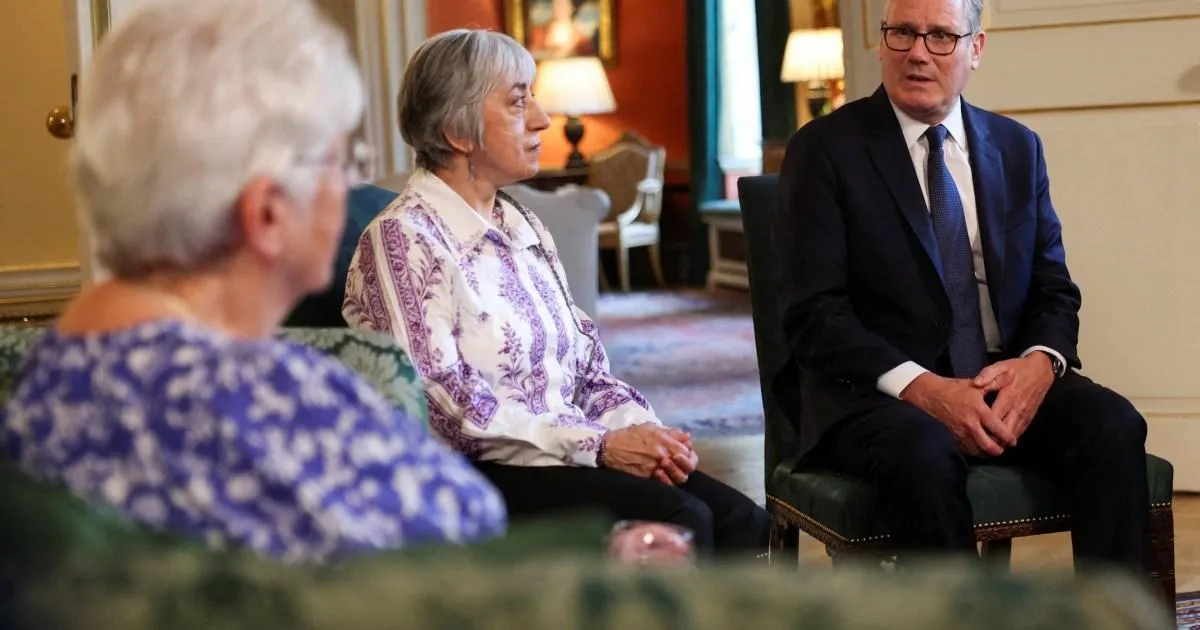
Ann Keen, a former Labour MP who was forced to give up her child in 1966, welcomed the apology as a long-awaited validation. She shared her hope that the recognition would help her “be released from my shame,” underscoring the importance of national acknowledgment for those who have endured decades of emotional pain. The apology also aligns with similar gestures from the Scottish and Welsh governments, which issued formal apologies in early 2023, signaling a growing awareness of the issue across the UK.
Government Commitments and Reforms
Starmer’s apology is accompanied by concrete steps to support victims, including improved access to adoption records and the launch of a national online resource. These measures aim to reconnect adoptees with their birth families and provide them with greater transparency about their origins. The Prime Minister also outlined financial assistance and educational initiatives to raise awareness of the historical context, ensuring that future generations understand the impact of forced adoption on individuals and communities.
While the apology has been met with widespread support, some survivors argue that more action is needed to fully address the harm caused. They emphasize the importance of restoring adoption records and offering long-term support for those still searching for their roots. Starmer’s response acknowledges the need for ongoing efforts, recognizing that the emotional scars of the past continue to influence lives today. His commitment to transparency and empathy reflects a broader push to heal the wounds of a system that once prioritized societal expectations over personal autonomy.
Towards Healing and Reconciliation
The apology has sparked renewed conversations about the ethics of adoption policies and the rights of biological parents. Advocates stress that while the recognition is a crucial first step, it must be paired with tangible reforms to restore dignity to those affected. Starmer’s speech in the House of Commons served as a powerful moment of reconciliation, with his words resonating deeply with those who have lived with the consequences of forced separation. The Prime Minister’s efforts signal a shift toward a more compassionate approach to history and its impact on families.
As the UK moves forward, the challenge remains to balance symbolic gestures with practical support for victims. The government’s pledge to improve access to records and provide financial aid is a promising start, but sustained attention to the issue will be key to ensuring lasting change. By centering the voices of those who endured forced adoption, Starmer’s message reinforces the country’s responsibility to address its past and foster a more inclusive future for all families.