

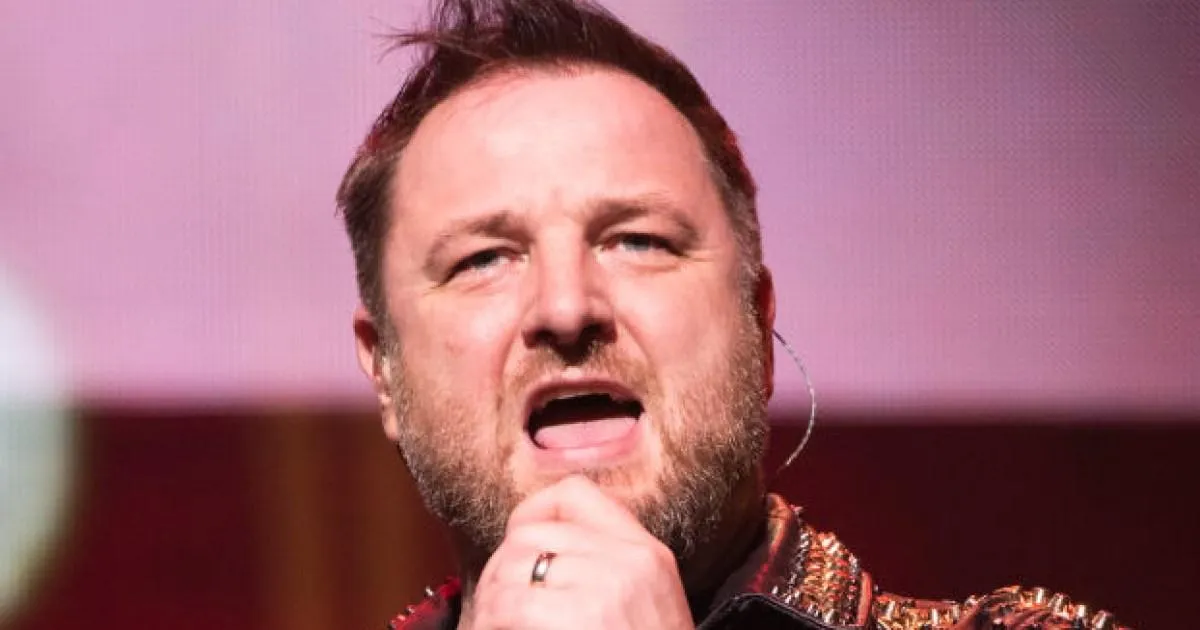
Mikey Graham Fumes Over Boyzone Reunion Criticism
Mikey Graham fumes over criticism of Boyzone – Legendary Irish singer Mikey Graham has voiced his frustration with the public’s scrutiny of Boyzone’s recent reunion, accusing critics of unfairly targeting him during the band’s comeback performance. In a heartfelt response, Graham expressed his disappointment with the media’s focus on his appearance rather than the emotional significance of the event, declaring, “Kick a guy when he’s down.” His comments have sparked a broader conversation about how personal struggles are often magnified in the spotlight.
A Tumultuous Return to the Stage
Boyzone’s *Two For The Road* concerts at London’s Emirates Stadium last weekend became a focal point for Graham’s emotional journey. While the band’s reunion was celebrated as a nostalgic milestone, Graham’s performance drew mixed reactions, with some fans questioning his stage presence and others praising his courage to return. The singer’s decision to join the stage later, emerging from beneath it, added a dramatic layer to the event, but critics seized on his seated appearance as a symbol of his perceived vulnerability.
Despite the controversy, Graham’s performance was a testament to his resilience. He has long spoken about his struggles with confidence and personal demons, which he believes were exacerbated by the band’s past successes. “It’s not just about how I looked on stage—it’s about the years of work and the emotional toll this journey has taken,” he said in a recent interview, highlighting the contrast between his early career and his current public image.
Sienna Graham’s Interview Sparks Backlash
Graham’s daughter, Sienna, became an unexpected catalyst for the debate after appearing on RTÉ Radio 1. When asked about her father’s performance, she faced harsh questions that Graham felt were unnecessarily cruel. He took to social media to defend her, calling out the presenter for subjecting her to the same scrutiny he endured. “If Kieran Cuddihy had to take the stage in front of a stadium like Mikey did, how would he handle it?” he joked, emphasizing the disparity between media criticism and the reality of performing under pressure.
“You can’t just ask a young girl about her dad’s struggles in front of a live audience. I’d rather be judged by the music than the way I look on stage. That’s the real issue—people are always ready to criticize when they don’t understand the whole story.”
Graham’s outburst has resonated with many fans who feel he’s been overlooked in the band’s narrative. His comments have reinforced the idea that the reunion was as much about personal healing as it was about rekindling the band’s legacy. “Mikey’s been through so much,” said one supporter. “This wasn’t about perfection—it was about finally being able to perform again after years of doubt.”
Legacy and Longstanding Tensions
The Boyzone reunion has reignited discussions about the band’s history, including past conflicts and the emotional weight of their career. Graham’s return to the stage was met with both adoration and skepticism, reflecting the duality of public perception. While some fans celebrated his comeback, others critiqued his appearance, linking it to his earlier struggles with self-esteem. The singer has repeatedly emphasized that the reunion was a personal milestone, not just a professional one.
“This wasn’t a performance for the critics—it was for the fans who’ve supported me through thick and thin. I’ve been through hell and back, and now I’m back on stage. That’s what matters, not how I look in a pair of jeans.”
Graham’s emotional vulnerability during the reunion has been a recurring theme in the media. His candidness about past regrets and the pressures of fame has made him a sympathetic figure, even as critics continue to dissect every aspect of his performance. Supporters argue that his journey is a reflection of his growth, while detractors focus on the momentary lapses in confidence that defined his career.
Public Perception and Media Bias
The debate over Graham’s performance underscores the broader issue of how media bias can shape public opinion. Critics often highlight his seated appearance as a sign of disengagement, but fans point out that his physical state was a direct result of years of internal battles. The singer’s frustration with the focus on his looks rather than his music is a common refrain, as he insists that the reunion was a celebration of his perseverance.
“It’s easy to look at the surface and judge a man’s performance. But if you knew the years of self-doubt he’s faced, you’d understand why he looked the way he did. That’s the real story—people are always ready to kick a guy when he’s down.”
Graham’s comments have sparked a wave of support from fans who feel the media has overlooked his contributions to the band’s success. While the reunion has been praised for its nostalgic appeal, the emotional toll on Graham has become a central narrative, highlighting the power of personal stories in shaping public perception of even the most successful acts.