
Rivals is the best it’s ever been – but I’m disappointed by one decision
Rivals is the best it s ever – Social media buzzed with immediate responses following the episode’s release on Friday morning, as fans erupted in praise, calling it a ‘masterpiece’ and ranking it among the show’s most compelling episodes to date. Their enthusiasm resonated with me, though my appreciation was tinged with a sense of unresolved tension.
A Triumph of Acting, A Flaw in Narrative
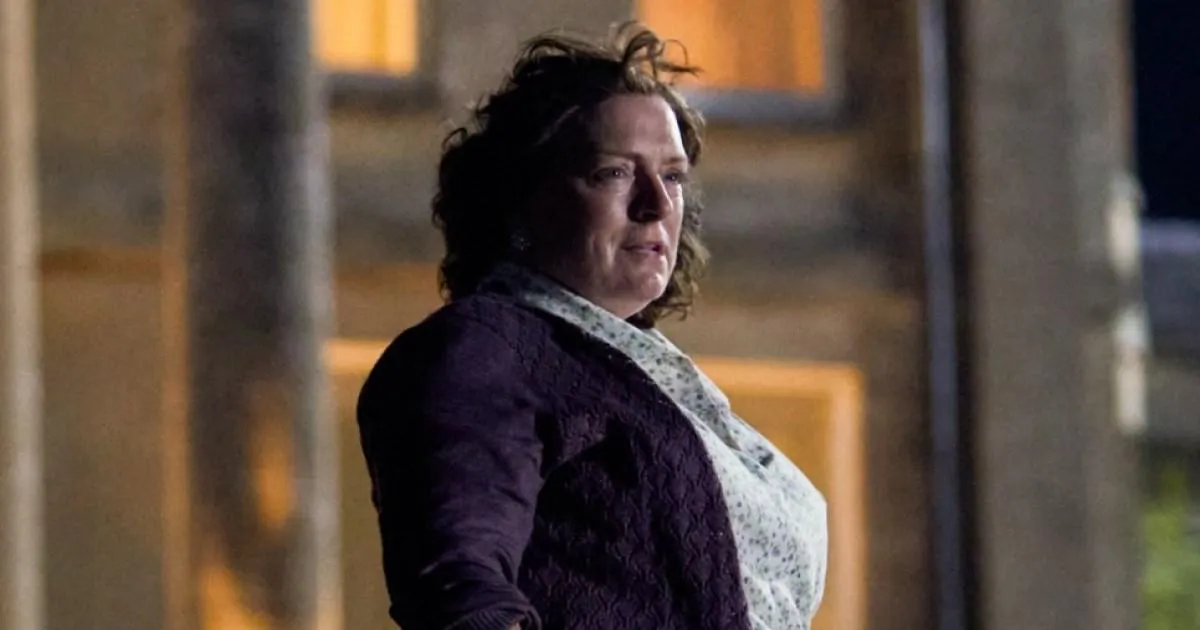
While the episode delivered a stellar performance from Claire Rushbrook, who embodied Monica’s emotional turmoil with haunting grace, the story’s trajectory left me questioning a pivotal moment. Monica, the resilient and dignified wife of David Tennant’s Lord Tony Baddingham, stood out as a beacon of strength in a season that otherwise leaned heavily on dramatic tension. Her confrontation with Tony, sparked by his affair with Maud O’Hara (Victoria Smurfit), felt like a cathartic release. Yet, the resolution of her arc struck a discordant note.
Monica’s decision to challenge Tony’s deceit was a bold move, especially considering the long-standing nature of his infidelity. The revelation that he had been unfaithful for years added layers of betrayal, but the final act—her tragic demise—felt premature. The episode’s climax, where Monica races into a storm to confront Tony, was visually striking, yet the sudden end to her journey left a lingering sense of disappointment.
The Storm and the Symbolism
Monica’s death, set against the backdrop of a fierce storm in Rutshire, was a poetic choice. The imagery of nature’s fury mirrored her internal turmoil, but the decision to end her story at this point raised eyebrows. A tree falling onto her car, an event that mirrored the real-life Great Storm of 1987, became a metaphor for fate’s cruel hand. While the writers intended this as a dramatic punch, it also sparked a deeper reflection on the treatment of LGBTQ+ characters in television.
Monica’s arc, particularly her relationship with Enid Spink (Selina Griffiths), hinted at a romantic past that was left unexplored. Earlier in the season, it was revealed that Monica had once been in love with the musician Enid, a connection that suggested potential for a meaningful subplot. However, the writers chose to focus on Tony’s betrayal rather than delve into this history. The decision to have Monica die at the hands of the storm instead of pursuing her revenge felt like a missed opportunity.
Monica’s journey was a masterclass in character development, showcasing her quiet defiance and emotional depth. Her suggestion that Tony hire Maud to star in Corinium’s raunchy TV show, *Four Men Went To Mow*, revealed her pragmatic side. Yet, when the affair became public, she was thrust into a whirlwind of anguish. Her initial reaction to the nude photos—tearing them up and tossing them into the fire—suggested a desire to move past the scandal. But the moment her son Archie (Louis Landau) confronts Tony at the dinner table, everything unravels.
“Why do we stay, though? With these men who aren’t nice to us at all. Why can’t we find the courage to change things?”
This poignant line from Monica encapsulated the episode’s emotional core. Her vulnerability, juxtaposed with the harshness of her surroundings, painted a vivid picture of her internal struggle. The dialogue with Lizzie Vereker (Katherine Parkinson), a character Monica visits in her slippers after the storm, further underscored her search for solidarity. Lizzie’s own affair with Freddie (Danny Dyer) served as a parallel, prompting Monica to question the patterns of her life.
Yet, the final act of the episode—Monica’s death—was a sharp contrast to the emotional buildup. The writers had crafted a narrative where Monica’s revenge seemed within reach, only for her to be felled by an external force. This choice echoed the ‘fridging’ trope, where a female character is sacrificed to advance a male counterpart’s storyline. While the storm’s chaos was a powerful visual, the absence of Monica’s agency in her own downfall felt significant.
Reactions and the ‘Kill Your Gays’ Debate
Many viewers, including myself, were rooting for Monica’s redemption. Her declaration to Tony that she would divorce him was a moment of triumph, signaling her readiness to break free. But the decision to have her meet her end in the storm, rather than let her exact her revenge, sparked a wave of discussion. The phrase ‘Kill Your Gays’—a term often used to critique the premature deaths of LGBTQ+ characters—resurfaced in the comments, with some fans drawing parallels to the show’s handling of Monica’s fate.
Monica’s relationship with Tony, while central to the plot, was also a subtle exploration of gender dynamics. Her history with Enid, hinted at in the season’s early episodes, suggested a deeper narrative about love and societal expectations. However, the writers opted to focus on Tony’s machinations, leaving Monica’s past romance on the sidelines. This decision, while not entirely unjustified, felt like a concession to the show’s ongoing themes.
Monica’s death, while impactful, also invited scrutiny of the broader trend in television. Characters like Villanelle (Jodie Comer) in *Killing Eve* and Teddy (Diego Calva) in *The Night Manager* had faced similar fates, often as a means to heighten tension or signal a narrative shift. The ‘Bury Your Gays’ trope, as it’s commonly known, has become a familiar critique, with fans arguing that LGBTQ+ characters are disproportionately sacrificed for dramatic effect.
Despite this, Monica’s arc was undeniably compelling. Her journey from a betrayed wife to a woman on the brink of reclaiming her independence was a testament to her strength. Yet, the writers’ choice to end her story in the storm, rather than let her confront Tony directly, seemed to prioritize spectacle over character agency. This moment, while emotionally resonant, also highlighted the ongoing debate about how LGBTQ+ narratives are handled in mainstream media.
As the episode drew to a close, the emotional weight of Monica’s death lingered. The tree that fell on her car was not just a plot device but a symbol of the forces that shape her fate. While the writers may have intended this as a fitting conclusion, it also served as a reminder of the challenges faced by LGBTQ+ characters in storytelling. Monica’s journey, though tragically ended, left a lasting impression, one that will be debated for years to come.