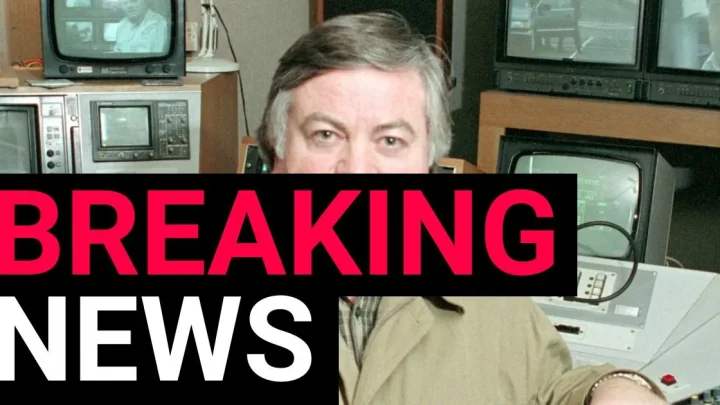


Simon Cowell’s secret to happiness only works if you’re a millionaire
Simon Cowell s secret to happiness – Eight years ago, Simon Cowell made a bold decision that has since become a topic of intrigue among his fans and critics alike. By cutting the cord on his mobile phone, the Britain’s Got Talent judge has reportedly transformed his life in ways that his fiancée, Lauren Silverman, describes as “extraordinary.” This shift, though seemingly simple, has sparked a conversation about how technology’s grip on modern life can be loosened—and who has the means to do so.
The Digital Detox of a Celebrity Icon
According to Silverman, Cowell’s absence from his phone has not only boosted his happiness but also his overall sense of wellbeing. “It’s been a game-changer for him,” she remarked during a recent appearance on This Morning. The idea of disconnecting from constant digital noise, she argues, has allowed Cowell to reclaim mental space and focus on what truly matters. This perspective draws a parallel to a more extravagant form of stress relief: drinking champagne that costs £2,000 a bottle on a private island. While such indulgence is rare, Cowell’s tech-free lifestyle suggests that the benefits of digital detachment are accessible—and perhaps more profound—for those with the financial freedom to afford it.
“The difference that it has made on him in a positive way, it’s been extraordinary,” said Silverman.
While the average person might struggle to imagine life without their smartphone, Cowell’s example highlights how such a choice can redefine daily experiences. By removing the endless stream of notifications, his life has become a sanctuary from the chaos of constant connectivity. For Silverman, this is not just a personal anecdote but a glimpse into the lifestyle of someone who has prioritized peace over productivity.
Celebrity Examples of Tech Disconnection
The trend of disconnecting from technology is not limited to Cowell. Several high-profile figures have embraced similar habits, revealing a growing movement among the wealthy and influential to unplug from the digital world. Christopher Walken, for instance, has never owned a mobile phone and remains unconnected through social media and email. His approach to life is a stark contrast to the average person’s reliance on digital tools for communication, work, and entertainment.
Ed Sheeran, a musician known for his prolific output, shared his own experience of stepping away from smartphones in 2015. During a conversation on his podcast Therapuss, he admitted that the pressure to respond instantly to messages had left him feeling overwhelmed. “Before I got rid of my phone, I was just constantly in touch with a lot of people,” he explained. “Everyone expects you to reply, and if you don’t, it’s rude.” For Sheeran, the switch was a conscious effort to regain control over his time and energy, but it also underscores the privilege of being able to make such a decision.
Woody Harrelson, the actor and comedian, has long expressed disdain for being perpetually accessible. “I dislike being readily available to any human being at any time,” he once said. Even the iconic Elton John has opted for a phone-free lifestyle, relying on a dedicated team to manage his social media presence. Tom Cruise, too, has been a vocal advocate for disconnection, claiming in 2007 that he “simply want[s] to be with my children and make movies.” His list of digital abstinence included no phone, no email address, and even no wallet, a declaration that speaks to his desire for simplicity in a world of endless distractions.
The Privilege Behind the Pause
What makes these stories particularly compelling is the underlying privilege that enables them. While the rest of us juggle emails, messages, and alerts, these celebrities have the means to outsource the burden. Imagine a scenario where someone like Tom Cruise no longer needs to answer calls or check messages. Instead, their assistants handle those tasks, allowing the star to focus on what truly matters: family, creativity, and rest.
This trend raises an important question: who is actually managing the tasks that others would handle themselves? In Cruise’s case, the image of an exhausted assistant chasing him around while carrying a bag full of an iPhone and a wallet is not hard to envision. The same applies to Ed Sheeran’s phone-free life—while he might no longer be tethered to his device, his team likely ensures that his work emails and promotional requests are addressed seamlessly.
Technology has not disappeared from their lives; it has simply been delegated. This outsourcing is possible because these individuals have achieved a level of wealth and influence that allows them to prioritize personal well-being over constant connectivity. For the average worker, such a choice might mean unemployment, as the ability to manage digital demands is often tied to job security and career progression.
The Broader Implications of Disconnection
The phenomenon of celebrity digital detoxes is more than just a lifestyle choice—it reflects a growing divide in how technology is integrated into daily life. While schools now use apps to communicate with parents, employers expect instant responses from employees on multiple platforms, and banks send authentication codes to every transaction, the wealthy can afford to step back from this relentless pace.
For many, the smartphone is a lifeline, connecting them to work, friends, and the world at large. But for Cowell and his peers, it’s a tool that can be abandoned without sacrificing their professional standing. This distinction is crucial. The expectation to reply to messages at all hours is a cultural norm, yet those with the means to opt out are often celebrated for their ability to “reconnect” with themselves.
As society becomes increasingly dependent on technology for every aspect of life, the question of who truly controls their digital environment becomes more relevant. Celebrities like Cowell, Walken, and Cruise may appear to have the upper hand, but their success in disconnecting is built on the foundation of their wealth and resources. Their stories, while inspiring, also serve as a reminder of the systemic barriers that prevent most people from achieving the same level of digital freedom.
Ultimately, the appeal of Cowell’s lifestyle lies in its simplicity. By eliminating the noise of constant notifications, he has created a space where happiness and wellbeing can flourish. Yet this simplicity is not accessible to everyone. For the majority, technology is both a necessity and a burden, one that can’t be easily shed. The irony, perhaps, is that while these celebrities are lauded for their ability to unplug, the real magic lies in the infrastructure that supports their choice to do so. And that infrastructure, in the form of assistants, staff, and financial stability, is what makes their digital detox a true secret of success.
As we continue to navigate a world dominated by screens and connectivity, the stories of these high-profile figures offer a glimpse into an alternative reality—one where technology is not a constant companion but a tool that can be left behind. But for most of us, the question remains: can we afford to make the same choice, or are we forever bound to the demands of digital life?