
Thousands of Kids Prompt Putin to Reverse Roblox Ban
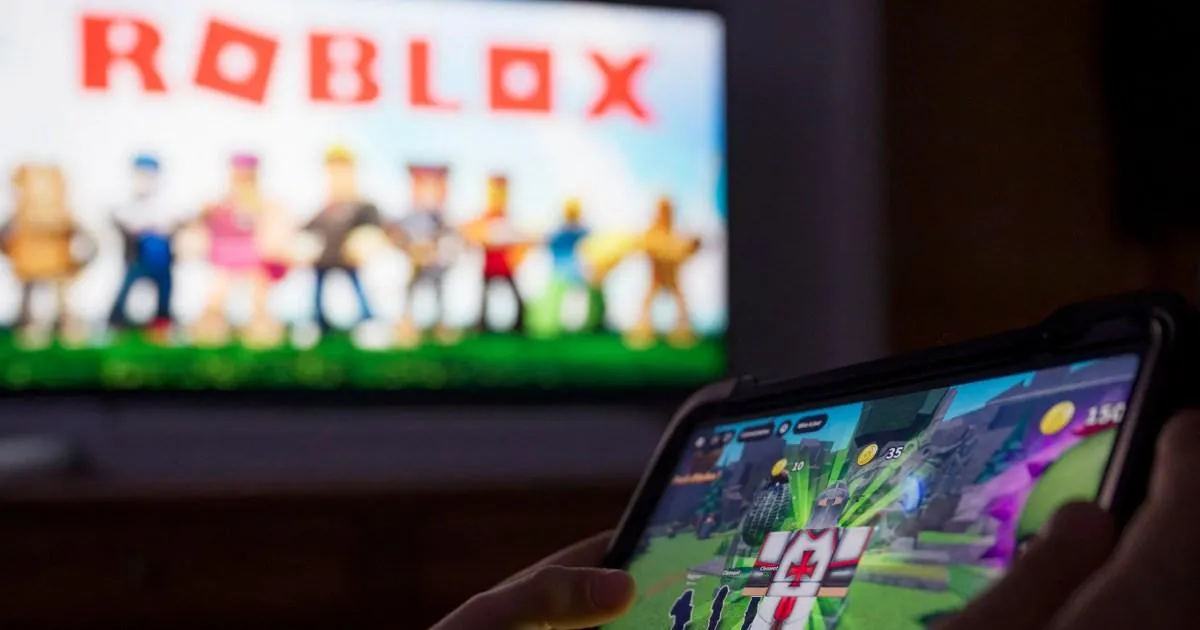
Thousands of kids force Putin to back – In a surprising turn of events, the Russian government has undone its six-month ban on the popular online game Roblox, citing overwhelming public pressure from children. The decision comes after a surge in complaints, including a notable protest in Siberia and a formal petition that garnered widespread support, forcing officials to reconsider their stance on the platform.
Roblox, a US-based gaming service, was initially blocked in December by Russia’s communications watchdog, Roskomnadzor, which accused the platform of hosting “inappropriate content that undermines the spiritual and moral development of children.” The ban targeted material deemed to promote extremist ideas, such as terrorism-related themes and discussions about LGBTQ+ issues, which are often classified as radical under Russia’s strict internet regulations.
But the restriction sparked a wave of discontent among young users. A coalition of children, organized through a grassroots petition, highlighted the emotional and social impact of the ban. According to reports, the Safe Internet League, a pro-Kremlin group, received 63,000 letters from minors opposing the block. Many of these letters emphasized the loss of access to educational and creative content, with half of the petitioners stating they would consider leaving Russia to play the game freely.
“Roblox has fully complied with Russian legislation to ensure user safety. The online gaming service is once again available throughout Russia,” stated the Russian ministry of media and communications.
The government’s spokesperson, Dmitry Peskov, acknowledged the influx of appeals, confirming that President Vladimir Putin had been informed of the growing dissatisfaction. While the ban was initially framed as a protective measure, the public outcry revealed its unintended consequences. Parents and educators reportedly joined the campaign, arguing that the restriction hindered children’s ability to engage with global virtual communities and access developmental resources.
Roblox’s response to the ban included several adjustments to align with Russian standards. The platform implemented a system to restrict access based on age groups, ensuring younger users interact only with age-appropriate content. Additionally, it committed to enhancing moderation tools to filter out material linked to extremist ideologies, such as terrorism or LGBTQ+ advocacy. These measures were designed to address Roskomnadzor’s concerns while preserving the game’s accessibility for children.
The ban on Roblox is part of a broader trend of Russian authorities limiting access to foreign platforms. Alongside Roblox, apps like Facebook, Instagram, WhatsApp, and YouTube have faced similar restrictions. These actions reflect a push to control digital spaces and align them with national values, though critics argue they stifle free expression and limit cultural exchange.
Meanwhile, the UK government is reportedly exploring ways to safeguard children on gaming platforms. Officials are considering stricter regulations to prevent interactions between minors and strangers, inspired by Russia’s approach. This development suggests a growing international focus on balancing digital freedom with child safety in online environments.
Roblox’s resurgence in Russia has been met with cautious optimism. While the platform has agreed to new content filters, its users remain concerned about the potential for over-monitoring. Some fear that the age-based restrictions might limit creative exploration, while others view the changes as a necessary compromise to ensure a safer digital experience.
The incident underscores the power of collective action in shaping internet policy. By leveraging petitions and social media, children have successfully influenced their government to revoke a ban that had restricted their access to a global virtual world. As Russia continues to refine its approach to digital regulation, the Roblox case serves as a reminder of the role youth play in modern debates over technology and freedom.
Experts suggest that the ban’s reversal could have broader implications for how Russia handles online censorship. The government’s willingness to accommodate children’s demands may signal a shift in prioritizing user engagement over rigid ideological control. However, the challenge remains in balancing these efforts with the need to protect young users from harmful content.
With Roblox now back online, the focus is on how the platform will maintain its commitment to child safety. The changes include real-time monitoring of chats, AI-driven content filtering, and partnerships with local moderators to review user interactions. While these steps aim to address Russian concerns, they also highlight the evolving landscape of online platforms adapting to diverse regulatory environments.
As the debate over digital regulation intensifies, the Roblox saga offers a compelling case study of how public sentiment can drive policy changes. Children, often seen as passive users, have become active participants in shaping the digital world, challenging authorities to reconsider restrictions that impact their daily lives and creative pursuits.
For now, the game’s return has brought relief to millions of Russian children, but the underlying tensions between innovation and control persist. The outcome of this situation may influence future decisions on similar platforms, setting a precedent for how governments engage with global digital culture.
This site is protected by reCAPTCHA and the Google Privacy Policy and Terms of Service apply. Your information will be used in line with our Privacy Policy.