

Three Planes Damaged in Storm Incident at Delhi Airport
Three planes damaged after storm sends – Delhi’s Indira Gandhi International Airport witnessed a chaotic scene as a sudden storm caused unsecured equipment to crash into three aircraft, according to reports. The incident, which occurred during a mid-afternoon downpour, left ground staff scrambling to retrieve items from the tarmac while aircraft sustained damage from the impact.
Footage Captures Turbulent Conditions
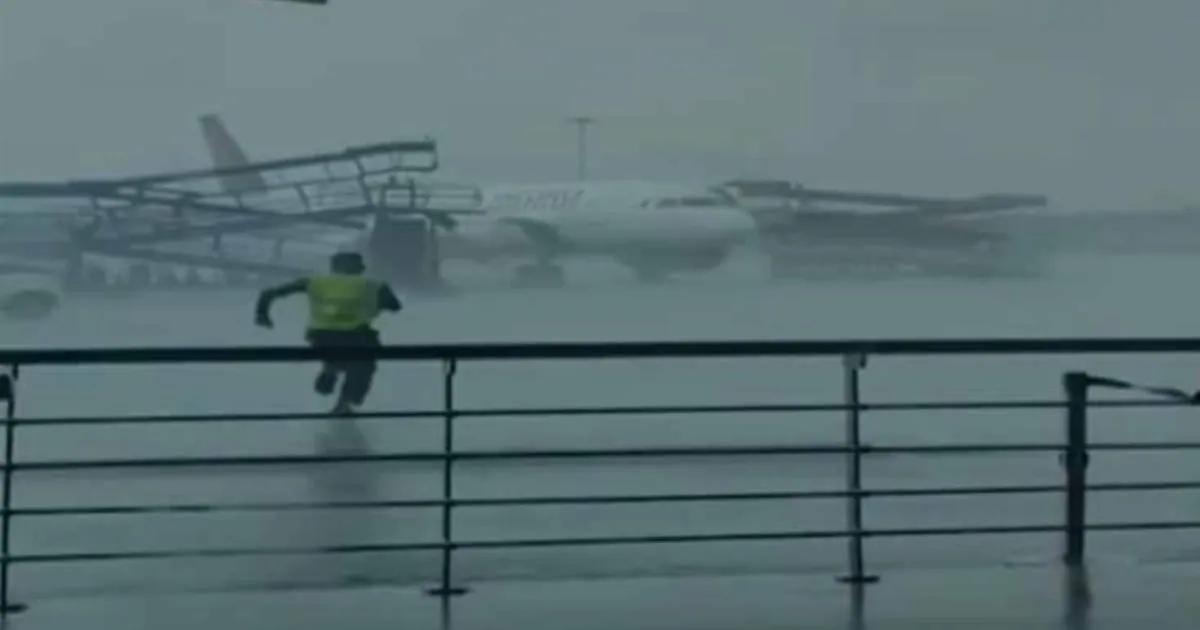
Footage filmed through a terminal window shows heavy rain and powerful gusts battering the airport yesterday afternoon. The video captures the intensity of the weather event, highlighting how the storm’s force disrupted normal operations and posed a threat to both personnel and aircraft.
The storm’s sudden onset created dangerous conditions, with equipment such as boarding stairs and ground support vehicles being thrown into motion. At one point, a set of boarding stairs was blown across the tarmac, prompting several ground staff in high-visibility jackets to sprint after it in an attempt to prevent further damage.
Compounding the chaos, a driverless ground support vehicle was seen being pushed across the tarmac by the wind, narrowly missing stationary aircraft. The incident underscores the vulnerability of airport infrastructure to extreme weather, even in modern facilities equipped with advanced technology.
According to airport officials, the damage to the three Air India Airbus A320S planes was caused by a step ladder and a trestle that were blown into their fuselages. A source from IndiGo, one of the airlines operating from the airport, revealed that the trestle had been secured before the storm but came loose due to the severe weather.
The incident also raised concerns about communication protocols. Airport officials claimed that Air Traffic Control failed to alert the airport operator or airlines about the deteriorating conditions, leaving teams unprepared for the sudden onslaught of wind and rain. This oversight contributed to the lack of immediate action to secure equipment prior to the storm’s arrival.
While two of the affected planes are expected to return to service this week, repairs to the third are anticipated to take several days. The step ladder and trestle, both of which were severely damaged during the event, are currently being assessed for usability. Fortunately, no injuries were reported among the personnel involved, though the incident has sparked discussions about safety measures in high-wind scenarios.
Previous Weather-Related Mishap at the Same Airport
This is not the first time weather has caused disruptions at Indira Gandhi International Airport. In January, a new Airbus A350 sustained damage after ingesting an unsecured baggage container while taxiing following a flight from New York. The incident occurred in dense fog, which likely obscured visibility and hindered timely action.
The recent storm at Delhi’s airport has prompted a review of existing protocols to prevent similar occurrences. Airport managers are now evaluating whether additional securing measures or real-time weather alerts could have mitigated the damage. Meanwhile, the aviation community is closely monitoring the situation to identify patterns and improve response strategies for future events.
Experts note that while airports are designed to withstand various environmental challenges, the combination of high-speed winds and unsecured equipment can create unforeseen hazards. The incident at Delhi highlights the importance of maintaining vigilance during weather changes, especially when heavy machinery and tools are in use.
Passengers and staff at the airport expressed concern over the disruption, with some reporting delays and confusion during the event. Airport officials have since issued statements reaffirming their commitment to restoring normal operations and implementing preventive steps. They emphasized that the damage was limited to equipment and aircraft, with no significant threat to passenger safety.
As investigations into the cause of the storm continue, authorities are also reviewing whether the airport’s infrastructure was adequately prepared for such conditions. The incident has sparked a debate about the role of technology in modern airports and whether automation, like driverless vehicles, should be accompanied by fail-safes to counteract unpredictable weather patterns.
The metro.co.uk article notes that the storm’s impact extended beyond the immediate damage, creating a ripple effect across the airport’s operations. Ground support teams faced challenges in relocating items quickly, and the presence of water on the tarmac further complicated the situation. This has led to calls for better coordination between weather monitoring systems and operational teams.
While the exact cause of the storm’s intensity remains under scrutiny, the event has served as a reminder of nature’s power over even the most advanced aviation systems. The damage to the three Air India planes, combined with the earlier incident involving the Airbus A350, suggests a need for heightened awareness and improved preparedness at Indian airports.
Meanwhile, the airport’s management has assured the public that all necessary steps are being taken to address the issues. They plan to conduct a thorough inspection of the affected equipment and update their procedures to minimize risks during future weather events. The situation also highlights the importance of real-time data sharing between Air Traffic Control and ground operators to ensure swift responses to changing conditions.
Recap of Key Details
To recap, the storm at Indira Gandhi International Airport resulted in three planes being damaged by unsecured equipment. The storm’s sudden arrival, compounded by gusts and rain, caused a boarding stair set and a trestle to be thrown into the aircraft. While two planes are set for quick repairs, the third may require additional time. No injuries were reported, but the incident has sparked a review of safety protocols and communication practices at the airport.
The storm’s impact was captured on video, offering a visual account of the chaos. Airport officials and IndiGo sources confirmed that the equipment had been properly secured before the weather event but became dislodged due to the storm’s intensity. This highlights a critical gap in preparedness and the need for more robust systems to handle extreme conditions.
With the storm’s aftermath still being addressed, the incident serves as a case study for how weather-related challenges can disrupt even the most well-organized aviation hubs. As the airport works to recover, the broader implications for safety and operational efficiency continue to be debated among industry professionals and regulators.
For those seeking the latest updates, Metro’s News Updates newsletter and Breaking News alerts provide timely information on such incidents. The reCAPTCHA system is in place to protect the website, ensuring that user data is used in accordance with the Google Privacy Policy and Terms of Service.