

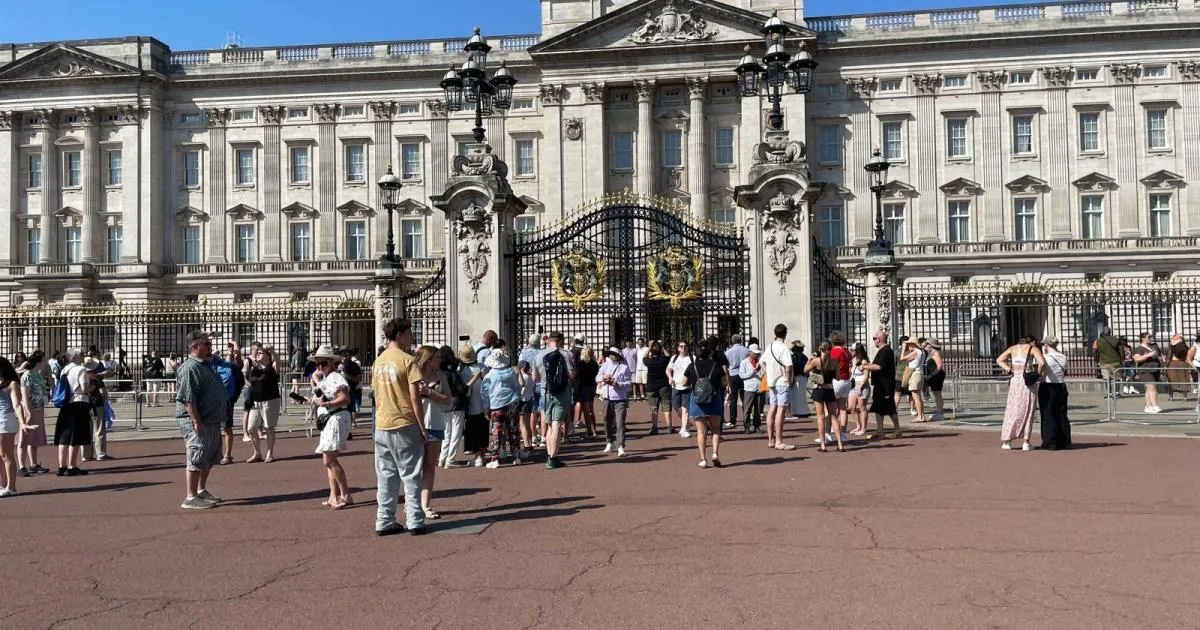
Tourists React to King’s Decision to Leave Buckingham Palace
Tourists give their verdict on King – Visitors to Buckingham Palace have expressed their opinions on King Charles III’s choice to move out of the iconic royal residence. The palace, a cornerstone of British monarchy since 1837, is undergoing a £369 million renovation expected to be completed by March 2026. While the building will remain the monarchy’s official administrative center, the King and Queen’s relocation has sparked a mix of reactions from tourists, some of whom believe the absence of the royal couple might reduce the palace’s cultural significance.
Shift in Royal Residence
The King’s decision to relocate his personal residence to Clarence House marks a significant change in the monarchy’s traditional setup. Though the palace will still host state events and public tours, its role as a primary home for the royal family is diminishing. This move, part of the couple’s long-term plan to settle at Clarence House, has left some visitors questioning whether the palace will lose its connection to the Crown.
“The King being in Buckingham Palace was a key part of the experience for me. Now that he’s moving out, it feels like the magic is fading,” said Charlotte Morgan, a 32-year-old traveler from Canada. “But I can see the value in modernizing the place—just hope it doesn’t take away from its historical charm.”
Many tourists have grown up with the image of the royal family living in the palace, making it a symbol of regal presence. However, others appreciate the modernization efforts, believing that the renovation will enhance the visitor experience and preserve the site’s legacy. This divide reflects the broader conversation about tradition versus contemporary needs within the monarchy.
Tradition Meets Change
Buckingham Palace’s historical status as a royal residence has been a point of pride for decades. Yet, the King and Queen’s new arrangement at Clarence House signals a shift toward more flexible living arrangements. While the palace will still serve as the headquarters for royal events, its function as a personal home is evolving. This transition has prompted discussions about whether the monarchy can maintain its public image without the symbolic presence of the royal couple in the palace.
“I’ve always assumed the King lived there. It’s part of the fantasy, but I guess it’s time for change,” remarked David Harcourt, a 50-year-old history buff. “The palace is still a marvel, but the King’s absence might make it feel less alive.”
Supporters of the decision argue that it allows the monarchy to adapt to modern demands, such as cost efficiency and updated infrastructure. Critics, however, worry that the palace’s iconic status as a royal home is being eroded. As the renovation progresses, the public will closely watch how the King’s move impacts both the building’s reputation and the monarchy’s relationship with its audience.
Enhancing Visitor Experience
One of the renovation’s goals is to improve public access to the palace’s interior, including the State Rooms, which will now open more frequently. This initiative aims to create a more immersive experience for visitors, allowing greater exposure to the building’s history and architectural grandeur. However, some fear that the absence of the royal couple may reduce the palace’s allure, as their presence has long been a draw for millions of annual tourists.
“The King’s move might make the palace feel less magical, but I’m excited about the new exhibits and tours,” said Lillian Reyes, a 28-year-old first-time visitor. “I still think it’s one of the most important places to see, even if the royal family isn’t there.”
Despite these concerns, the monarchy maintains that the palace will remain a vital part of national identity. The King’s spokesperson highlighted the couple’s continued commitment to the site, emphasizing its role in public life and royal traditions. While the royal family’s presence is central to the palace’s charm, the renovation opens the door to a more accessible and dynamic visitor experience.
Financial and Cultural Impact
The King’s relocation aligns with broader financial decisions, including his recent tax filings that revealed he paid £12.9 million in taxes during the 2024-25 fiscal year. As the first monarch to publicly disclose these figures, his transparency has shaped public perception of the monarchy’s financial responsibilities. This openness has been seen as a step toward modernizing the royal image, though some still view the decision as a departure from tradition.
For many tourists, the King’s decision to move out of the palace is a topic of ongoing debate. Some believe the change will allow the monarchy to better engage with the public, while others feel it weakens the link between the royal family and the historic site. As the renovation concludes, the balance between preserving tradition and embracing change will define the palace’s future in the eyes of both visitors and critics.