
US Strikes Iran in Self Defense Over Oil Smuggling Claims
US strike Iran in self defence – The United States launched missile strikes against Iran in a self-defense operation, marking a significant escalation in the region’s tensions. According to reports, the attacks targeted Iranian military installations near the Strait of Hormuz, a vital chokepoint for global oil shipments. The move, described as necessary to counter Iran’s aggressive actions, followed claims that the US had been covertly extracting millions of barrels of oil through the waterway without detection.
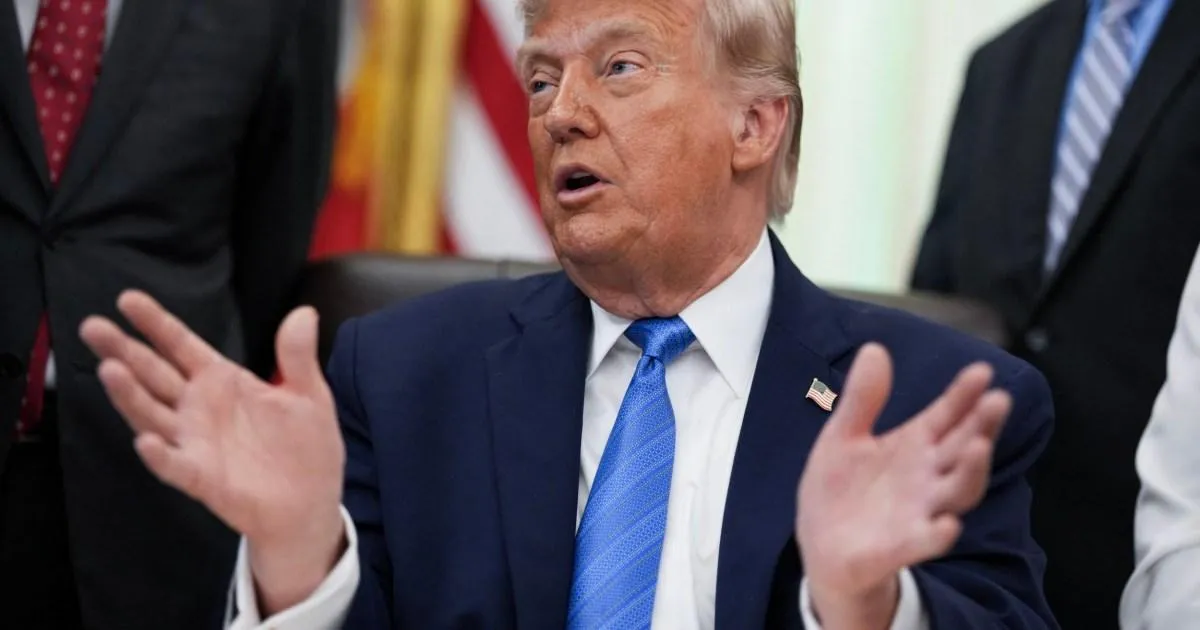
President Donald Trump addressed the situation during a press briefing, stating that the US was retaliating for the loss of an Apache helicopter earlier in the week. “We’re going to hit them again hard today,” he said, framing the strikes as a response to Iran’s threats to US interests. The attacks were timed to coincide with Iran’s discovery of the US’s oil extraction efforts, which Trump admitted had been kept secret until now.
Trump’s Admission of Covert Oil Operations
During the briefing, Trump confirmed that the US had been systematically siphoning oil from Iranian ports, bypassing the country’s naval blockade. “We’ve been taking out millions of barrels,” he revealed, adding that the operation was difficult to conceal. The admission has sparked debate about the US’s strategic advantage in securing oil supplies while challenging Iran’s control over the critical passage.
Analysts note that the Strait of Hormuz has long been a focal point of geopolitical rivalry. By secretly diverting Iranian oil through the strait, the US aimed to stabilize energy markets and counter Iran’s influence in the region. Trump’s claim that the operation was “extremely difficult” to keep secret suggests a deliberate effort to maintain the element of surprise, which he later used to justify the strikes as a necessary preemptive measure.
Iran Condemns US Actions as War Crimes
Iran swiftly criticized the US strikes, accusing the country of targeting civilian infrastructure. The Iranian Foreign Ministry’s spokesperson, Esmaeil Baghae, claimed the attacks destroyed two water reservoirs that served over 20,000 residents. “This is not collateral damage—it is a calculated war crime,” Baghae said, arguing that the US violated international law by attacking non-military sites.
Despite the US’s defense that the targets were merchant vessels, Iran emphasized the human cost of the strikes. “The US must be held accountable for these systematic attacks,” Baghae added, calling for global oversight of the operation. The incident has heightened concerns about the potential for further escalation and the humanitarian impact of military actions in the region.
Strategic Justification and Oil Control
Defense officials defended the strikes, asserting they were aimed at vessels attempting to transport Iranian oil through the strait. “The US is ensuring the flow of oil remains uninterrupted,” a military statement noted, highlighting the economic stakes involved. The operation underscored the US’s ability to control the waterway, even as Iran claimed to have blocked access to its oil reserves.
Trump reiterated the importance of maintaining oil flow, stating on his social media platform Truth Social that the mission was “secret” to avoid provoking further conflict. “More than 200 vessels have safely navigated the Strait,” he wrote, emphasizing US dominance in the region. His Energy Secretary, Chris Wright, backed the claim, describing the strikes as a routine effort to counter Iran’s economic pressures.
Regional Dynamics and Long-Term Implications
Experts suggest the US’s actions reflect a broader strategy to assert control over key maritime routes. The strikes not only targeted Iran’s military capabilities but also sent a message about the country’s ability to circumvent its naval restrictions. This dual objective—securing oil supply and demonstrating military strength—has intensified the rivalry between the two nations.
With the eighth merchant vessel reportedly disabled in the waters near Iran, the conflict has shifted from a direct confrontation to a calculated power play. While the US frames the operation as a defensive measure, Iran sees it as an aggressive maneuver to undermine its economic and political leverage. The outcome of this standoff could shape the balance of power in the Middle East for years to come.