

What are your working rights during a heatwave?
What are your working rights during – As summer approaches, sweltering temperatures are expected to climb into the high 30s, raising concerns about how these conditions will influence daily work routines. With heatwaves becoming more frequent, understanding your entitlements as an employee is crucial for maintaining productivity and well-being in the workplace.
Heatwave forecasts and workplace implications
The Met Office has issued warnings that parts of southern England and southeast Wales could reach 37°C by tomorrow, signaling the onset of a severe heatwave. By midweek, temperatures may surpass 38°C, potentially prompting a rare red weather alert. This extreme heat is set to ease by Friday, with temperatures dropping to a more moderate 33°C. While the weather may seem uncomfortable for many, employers are urged to take proactive steps to ensure their staff can work safely and comfortably under these conditions.
Expert insights on health and safety obligations
Neha Thethi, a leading employment specialist at Lime Solicitors, emphasizes that while there is no official maximum temperature for work, employers have a legal duty to provide a safe environment. This includes measures to mitigate heat-related risks, especially when temperatures rise significantly. Thethi highlights that businesses should not assume their employees can simply endure the heat without support.
“Employers usually rely on air conditioning and ventilation to regulate temperatures within the workplace,” explains Thethi. “However, many remote and hybrid workers may not have this option, with their only means of keeping cool being open windows.”
The expert warns that these limitations could lead to distractions for employees working from home, such as noise from streets or nearby households. This could make remote work less effective on particularly hot days. Thethi adds that even in traditional office settings, staff may struggle if cooling systems fail or are insufficient. “With regards to the usual workplace, installing air conditioning or ensuring cold water is always available could form part of this,” she says.
Adapting work practices during extreme heat
Thethi suggests that employers should implement flexible work arrangements to accommodate employees’ needs. This could include allowing staff to work from home when possible, or adjusting schedules to align with cooler periods. For example, she proposes that businesses consider early starts and late finishes, similar to practices in hotter climates, to help workers avoid the worst of the heat.
“Employees are unlikely to produce their best work when all they can think about is how warm they are,” argues Thethi. “Failing to consider what adjustments could be made to support them when the temperature rises is not advisable.”
Additionally, Thethi recommends that companies review their dress codes during heatwaves, especially if they require formal attire. Restrictive clothing, such as ties, jackets, and waistcoats, can contribute to discomfort and heat stress. Relaxing these rules on impacted days could help employees stay cooler and more focused.
Health conditions and workplace accommodations
Thethi also points out that certain disabilities, like chronic obstructive pulmonary disease (COPD) and arthritis, make working in high temperatures particularly challenging. Employers are advised to consider reasonable adjustments for affected staff, such as providing shaded workspaces, cooling stations, or even temporary shifts to cooler environments. “Your employees’ health and safety should always be a priority,” she states.
While there is a minimum working temperature of 16°C set by law, no maximum has been established. This is due to the varying nature of work environments—some, like bakeries and restaurant kitchens, can experience rapid temperature increases that may not be feasible to regulate with a single limit. Nevertheless, employers are still responsible for addressing heat risks within their control.
Legal obligations and workplace responsibility
Though there is no legal requirement to maintain a specific temperature, Thethi clarifies that the duty of care remains essential. This means employers must ensure their staff are not at risk of heat-related illnesses. “During periods of extreme heat, it is paramount that employers take steps to minimize the impact of environmental factors,” she explains.
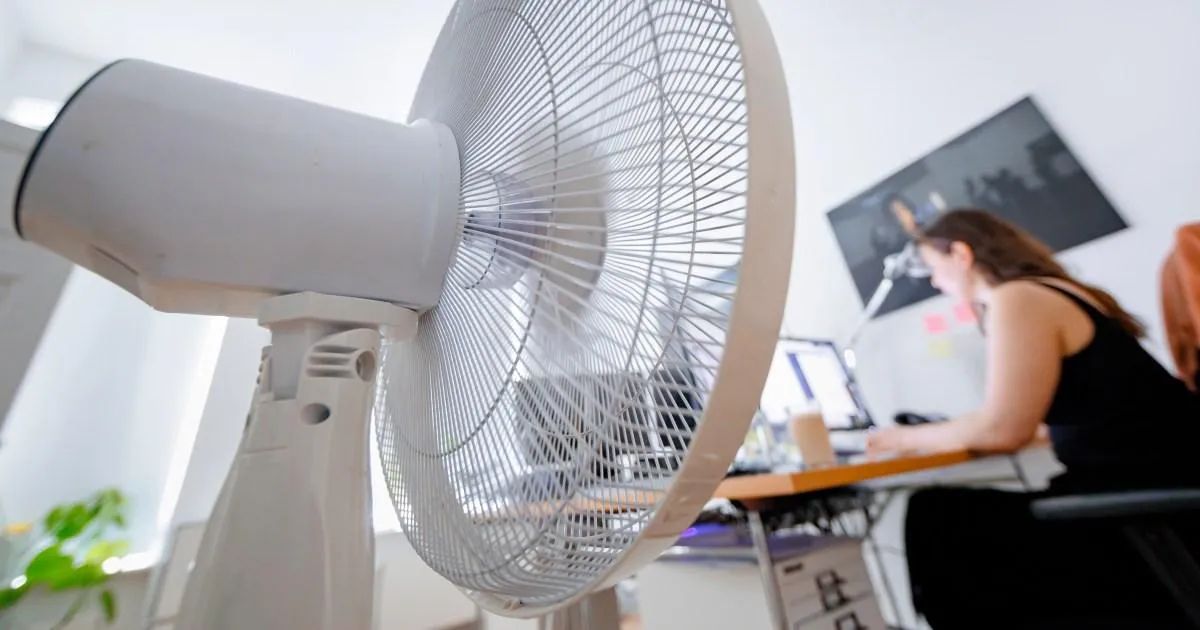
Some adjustments, such as providing fans or encouraging regular hydration breaks, can be simple yet effective. Thethi suggests that line managers check in with employees at least once a day to monitor their comfort and well-being. “This proactive approach helps identify potential issues before they escalate,” she adds.
Preventing disputes through employer action
Thethi warns that neglecting to address heat-related challenges could lead to personal injury claims. If staff fall ill due to high temperatures, especially those with preexisting health conditions, the situation may be classified as a workplace safety concern. She underscores the importance of flexibility and foresight, stating that “employers should be prepared to make adjustments to support their workforce during extreme weather.”
In addition to physical adjustments, Thethi highlights the need for mental well-being considerations. Prolonged exposure to heat can affect concentration and morale, potentially impacting productivity. “Creating a supportive work environment during heatwaves involves more than just physical comfort,” she notes.
Ultimately, the key to maintaining employee satisfaction and safety lies in employer awareness and adaptability. Thethi encourages businesses to think beyond standard procedures and prioritize the needs of their staff. “Taking these steps not only protects your employees but also helps maintain a healthy and efficient workplace during challenging conditions,” she concludes.