
Iran Claims Control Over Strait of Hormuz Amid US Ceasefire Allegations
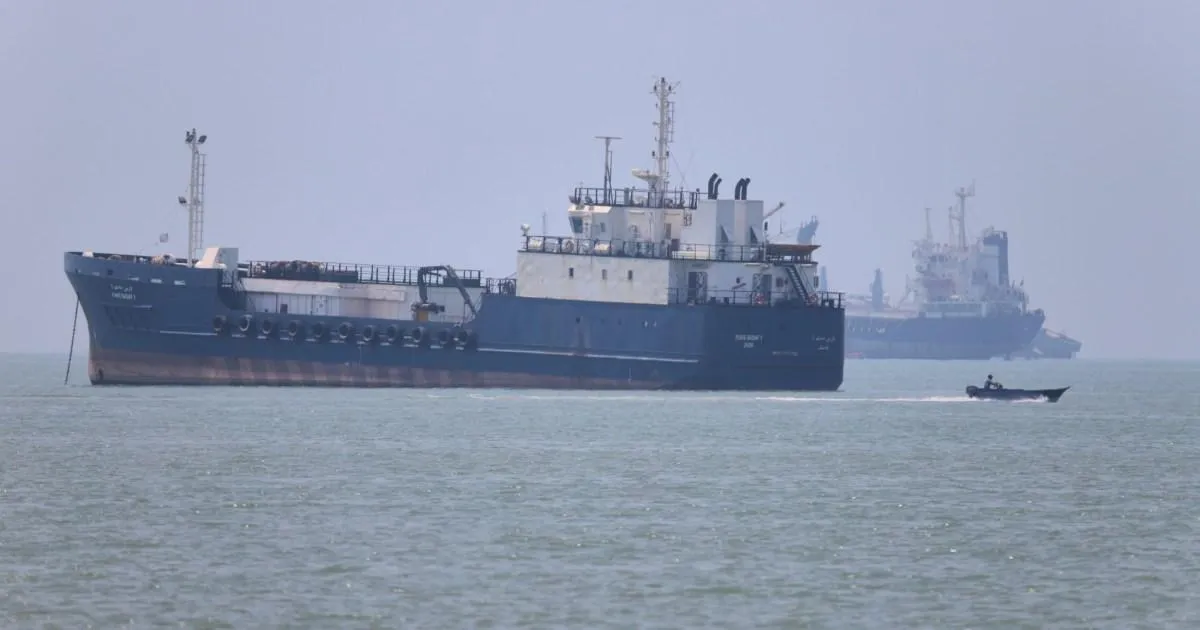
Iran closes Strait of Hormuz after – In a dramatic move, Iran declared the Strait of Hormuz effectively closed, citing accusations that the United States had breached ceasefire agreements. The strategic waterway, vital for global oil and gas shipments, became a focal point of geopolitical tension as Tehran emphasized its authority over maritime traffic. The closure, Iran said, was a response to ongoing US actions that it claimed undermined the peace process in the Middle East.
Escalating Tensions Over Naval Access
Yesterday, Iranian officials announced that vessels transiting the Strait of Hormuz must now seek prior authorization, signaling a potential shift in control of the critical passage. This demand raised concerns about the future of shipping routes, as the country hinted at imposing additional restrictions on maritime traffic. The move also positioned Iran to levy future charges for the use of the strait, further complicating international trade logistics.
The accusation against the US centered on its alleged failure to uphold the ceasefire conditions, particularly regarding Israeli military operations in Lebanon. Iran argued that the suspension of these strikes was a key condition for regional stability, yet the US was perceived as allowing them to continue. This inconsistency, Iran claimed, disrupted efforts to achieve a lasting peace and highlighted the country’s strategic leverage over the waterway.
Israel’s Separate Talks and Strategic Ambitions
Meanwhile, Israel has been pursuing independent negotiations with the US, seeking to maintain its military presence in Lebanon. The country, not bound by the US-Iran nuclear deal, has vowed to persist in its attacks on Hezbollah, which it views as a threat to its northern security. These talks, however, have not resolved the broader conflict, as Iran remains determined to assert dominance over the strait.
Israel’s refusal to adhere to the US-Iran agreement has created a rift, with the nation prioritizing its own strategic interests over the broader ceasefire framework. This has led to the postponement of planned US-Iran talks in Switzerland, as intensified fighting in Lebanon forced a recalibration of diplomatic priorities. The situation underscores the complexity of the regional conflict, where multiple actors are pursuing their own agendas.
60-Day Ceasefire and Its Implications
The latest agreement between the US and Iran, aimed at ending nearly four months of hostilities, includes a 60-day period of unrestricted passage through the Strait of Hormuz. However, this temporary arrangement hinges on the resolution of Tehran’s nuclear program, leaving uncertainty about the long-term stability of the waterway. During this window, shipping tariffs will be covered by the Iranian government, easing financial burdens on vessel operators.
Despite the 60-day reprieve, the arrangement has already caused confusion among maritime operators. Jakob Larsen, chief safety and security officer at the Baltic and International Maritime Council, noted that many ships are now unsure of the safest routes and the procedures required for transit. This ambiguity highlights the challenges of implementing a ceasefire amid ongoing tensions and complex negotiations.
US Vice President JD Vance reiterated the administration’s stance during a White House briefing, stating that international waterways should remain free of tolls. He framed the dispute as a fundamental structural issue, emphasizing the US’s strategic position in the talks. “We have all the cards,” Vance said, underscoring the perceived advantage of the American side in the negotiations.
Iran, however, has countered by asserting its right to impose conditions on the strait. Officials pointed to the presence of mine-affected areas and the need to ensure safe passage as justification for requiring ships to submit transit requests at least 48 hours in advance. This process, they argued, would prevent delays and enhance security for both military and civilian vessels.
Obama’s Critique of the Nuclear Deal
Former President Barack Obama weighed in on the situation, suggesting the US may have fared worse than before the Trump administration’s aggressive stance against Iran. Speaking to NBC, Obama described the conflict as a costly endeavor, noting the billions spent and the strain on military resources. “It feels like we’re back where we were before the war started, maybe a little bit worse off,” he said, reflecting on the impact of the Trump-era withdrawal from the 2015 nuclear deal.
Obama highlighted the significance of the 2015 agreement, which had restricted Iran’s nuclear capabilities. He criticized the Trump administration for dismantling the deal, allowing Tehran to expand its nuclear program. “This administration, or a prior version of it, pulled out of the deal, which caused Iran to develop more nuclear capacity,” he explained, linking the current tensions to the earlier policy shift.
Broader Geopolitical Impact
The closure of the Strait of Hormuz has far-reaching consequences, affecting global oil prices and food supply chains. By controlling the passage, Iran has the potential to disrupt international trade and exert pressure on the US and its allies. Analysts warn that the uncertainty surrounding the waterway could lead to increased shipping costs and logistical challenges for countries reliant on its routes.
Additionally, the agreement’s temporary nature has left room for further geopolitical maneuvering. While the 60-day period offers a brief window of stability, the outcome of the nuclear negotiations will determine whether the strait remains open or faces renewed restrictions. This dynamic underscores the delicate balance of power in the region, where each side seeks to secure its interests through strategic diplomacy and military posturing.
As the situation unfolds, the international community watches closely. The closure of the strait has already sparked discussions about alternative shipping routes and the potential for economic fallout. For now, the 60-day deal provides a temporary solution, but the underlying tensions between the US and Iran suggest that the conflict may persist for months to come.
The events have also reignited debates about the role of the US in the region. Critics argue that the country’s involvement has complicated efforts to broker a lasting ceasefire, while supporters claim the US is working to maintain its strategic influence. As the negotiations continue, the fate of the Strait of Hormuz will remain a symbol of the broader struggle for control in the Middle East.
With the ongoing geopolitical dance, the international shipping industry braces for further changes. The uncertainty surrounding the waterway’s status has already led to adjustments in shipping schedules and increased monitoring of transit procedures. As the 60-day period progresses, the impact of Iran’s actions on global markets and energy security will become more evident.
Further Reading
ArrowMORE:Donald Trump doubles down on ‘made up’ claim Meloni begged him for a photo ArrowMORE:Paint is already peeling on Trump’s $14,700,000 Washington reflecting pool renovation
This site is protected by reCAPTCHA and theGoogle Privacy PolicyandTerms of Serviceapply. Your information will be used in line with ourPrivacy Policy