

I fixed my baby’s sleep when I stopped making this common parenting mistake
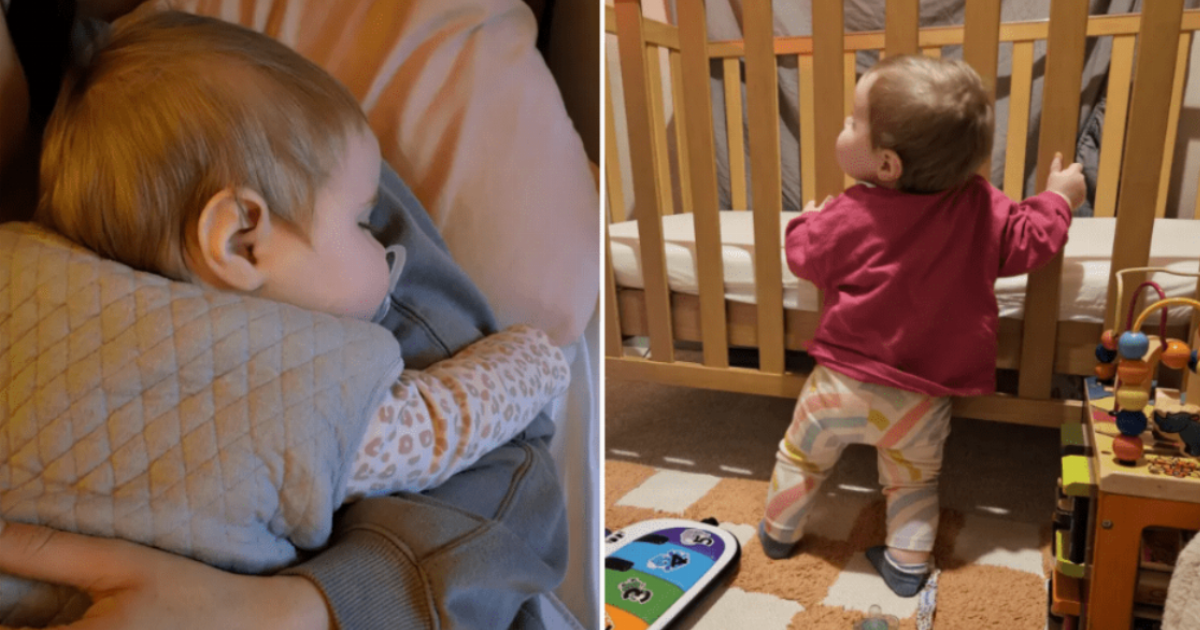
I fixed my baby s sleep – At 2 a.m., my daughter Ruby was thrashing in my bed, her tiny legs kicking wildly, her face squishing against mine with a mix of giggles and frustration. It was the third consecutive night she had refused to sleep through the night, leaving me and her father exhausted and at a loss. A few weeks prior, she had been a peaceful sleeper, only briefly stirring during the night. Now, she seemed to thrive on staying awake, her energy peaking between 2 and 4 a.m. while we scrambled to keep up.
The sleep crisis that started with a routine shift
Like countless other parents, I had turned to sleep-tracking apps, online forums, and social media influencers for answers. Despite the variety of advice, a single concept kept resurfacing: overtiredness. It was framed as the ultimate sleep saboteur, blamed for everything from stubborn naps to midnight awakenings. The idea that a baby could be too tired to rest felt both alarming and inevitable.
Experts suggested that Ruby wasn’t getting enough daytime sleep, warning that extended wake windows would leave her mentally drained. I followed recommendations to lengthen her naps, adjust her bedtime, and shorten the time between sleeps. But the more I tried, the worse it got. Ruby’s restlessness escalated, and I began to wonder if I had unintentionally conditioned her to stay awake all night.
A turning point with a sleep consultant
At my wit’s end, I reached out to Lauren Eells, a certified baby sleep consultant and founder of Sound Asleep Guru. Her method, grounded in scientific research and practical insights, stood out among the countless conflicting theories on social media. Unlike others who touted rigid routines, Lauren emphasized a personalized approach, aligning with the natural rhythms of the child.
Lauren’s first step was to calculate Ruby’s actual sleep needs. Over ten days, I meticulously logged every nap and nighttime sleep. The data revealed a surprising truth: Ruby was averaging 13 hours of sleep in a 24-hour span. This contradicted the belief that she was sleep-deprived. Instead, it pointed to an over-scheduling problem, where too much daytime sleep was interfering with her nighttime rest.
Reversing the sleep equation
Lauren’s advice was counterintuitive. Rather than pushing for more sleep, she recommended reducing Ruby’s total daytime naps. She suggested keeping her awake for at least four and a half hours before bedtime, allowing sleep pressure to build. This meant shortening her naps from two and a half hours to just one hour and 45 minutes in total each day.
Initially, I was skeptical. What if Ruby became too tired? The fear of overtiredness had become a mantra, echoing through parenting blogs and Instagram stories. Yet, I decided to give it a try. The first night, to my disbelief, Ruby slept for over 11 hours without a single wake-up. The following nights confirmed the change—she settled easily, no longer demanding constant attention.
Understanding the science behind the shift
Lauren explained that sleep is governed by two key biological mechanisms: melatonin production and sleep pressure. Melatonin, the hormone that signals sleepiness, rises as bedtime approaches. Sleep pressure, on the other hand, accumulates with each hour of wakefulness, pushing the body toward rest. The problem, she argued, was that excessive daytime naps were disrupting this delicate balance.
“Overtiredness is often seen as the main culprit, but it’s actually the result of an imbalance between melatonin and sleep pressure,” Lauren said. “Parents tend to push babies to sleep too early, not realizing that too much napping can prevent the sleep pressure from building properly.”
She added that while routine is critical, it’s not the only factor. Some infants are more prone to sleep associations—like needing rocking or feeding to fall asleep—making them reliant on external cues rather than internal ones. This reliance, she noted, could lead to repeated nighttime awakenings, as the baby would expect the same help each time.
Results that defied expectations
Within days, Ruby’s sleep patterns stabilized. She no longer seemed to fight sleep, and the midnight chaos subsided. The key, according to Lauren, was allowing her to accumulate the necessary sleep pressure before bedtime. This meant a more structured approach, where daytime naps were purposeful and concise, and nighttime sleep was prioritized.
“The biggest misconception is that babies need to nap a lot to be rested,” Lauren explained. “But if they nap too much, they may not have enough sleep pressure to stay asleep throughout the night.” She emphasized that the 24-hour sleep budget should be managed strategically, ensuring the right amount of rest at the right times.
As the weeks passed, it became clear that sleep training wasn’t necessary. Ruby still drifted off in our arms, but she no longer needed our presence to stay asleep. She had developed her own rhythm, aligning with the natural cycles of melatonin and sleep pressure. This shift didn’t just solve her sleep issues—it transformed our family dynamic, freeing us from the constant midnight routine.
A lesson for parents everywhere
Lauren’s approach highlighted how common sleep mistakes can be corrected by rethinking the underlying principles. Instead of blindly following the latest trends, parents should focus on understanding their baby’s unique sleep needs. This doesn’t mean abandoning routines entirely, but rather adapting them to fit the child’s biology.
“Overtiredness is a symptom, not the cause,” Lauren said. “By over-scheduling daytime sleep, we’re actually making it harder for babies to transition into the night.” She encourages parents to track their baby’s sleep patterns, observe their behavior, and make adjustments based on what works.
My journey with Ruby taught me that sleep isn’t just about quantity—it’s about quality and timing. By simplifying her daytime rest and allowing her to build the right sleep pressure, I not only fixed her sleep but also found a deeper connection with her. It was a reminder that sometimes, the answers we seek lie in rethinking the very foundations of our routines.
Now, as Ruby sleeps soundly through the night, I’m grateful for the lesson. The common belief that more sleep is always better had led me down a confusing path, but by embracing a more balanced approach, I discovered a solution that worked for us. For other parents struggling with sleep, this experience serves as a testament to the power of understanding the science behind what we do.