
Iran’s new supreme leader is nowhere to be seen. That might be helping the regime to survive
Iran’s new supreme leader is nowhere to be seen. That might be helping the regime to survive
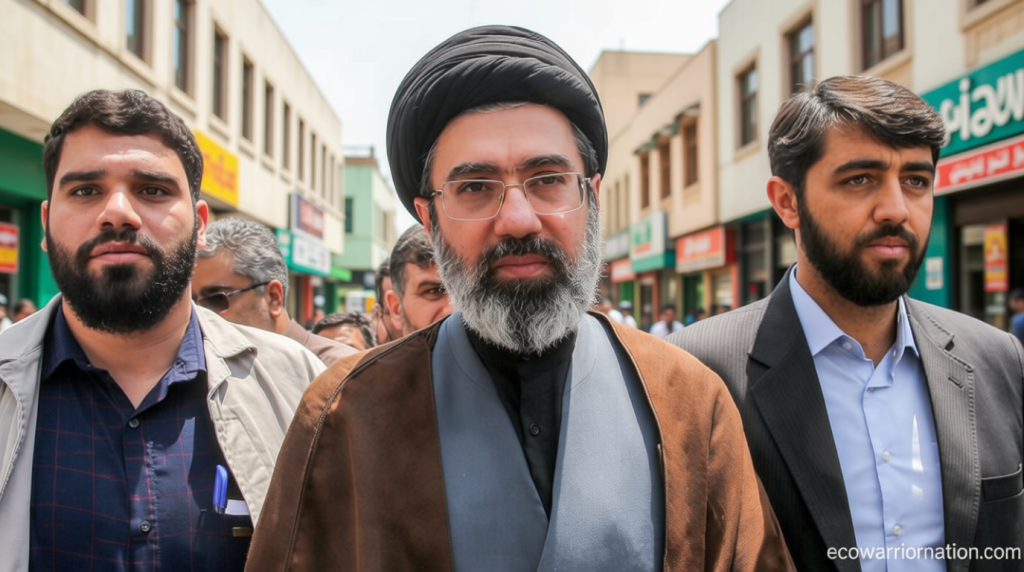
Over six weeks have passed since Mojtaba Khamenei was named Iran’s new supreme leader following his father’s death in an assassination. Yet, he remains absent from public view, raising questions about his role in the country’s political landscape. As tensions escalate in a conflict viewed as a critical test for the regime, Khamenei’s lack of visibility has become notable. Statements about him are delivered through televised readings or social media posts, with some attributed to AI-generated footage. This has sparked speculation about whether he is incapacitated, abroad, or simply not engaging directly.
Ayatollah Ali Khamenei’s Legacy
Contrast this with his father, Ayatollah Ali Khamenei, who was a constant presence in Iran’s political affairs for decades. He was known for his active participation in decision-making, frequently issuing speeches and interventions. Now, Mojtaba’s absence has left a void, with some wondering if the leadership role is functionally empty. A source shared with CNN last month that Mojtaba sustained injuries during the strikes that killed his father and Iran’s top military leaders, including a fractured foot and a bruised eye.
Behind the Scenes
Despite his injuries, Mojtaba is reportedly involved in major decisions, according to a Reuters report. Unnamed sources suggest he participates in meetings via audio calls, guiding key policies like the ongoing war and talks with Washington. Ali Vaez of the International Crisis Group noted that Mojtaba appears to be a symbolic figure, providing final approval for broad decisions but not actively managing tactical details. “The system uses him as a shield against internal criticism,” Vaez explained, adding that his absence allows negotiators to deflect blame.
“Mojtaba is missing in action, so attributing views to him is a good cover for Iranian negotiators to protect themselves from criticism.”
Meanwhile, US President Donald Trump has claimed that Iran has experienced regime change since the elder Khamenei’s assassination. He described the current negotiators as “reasonable,” suggesting they represent a shift in Iran’s approach. However, the country’s opaque political system complicates efforts to discern the true direction of its leadership.
Back home, the regime’s base remains fervent, rallying in protests to show solidarity with the leadership. Yet, their support is tempered by skepticism toward officials pursuing peace talks. As Danny Citrinowicz of Israel’s Institute for National Security Studies wrote on X, “Iran is facing a decentralized, hardline system… one that sees its endurance as a divine triumph.”
Recent negotiations in Islamabad, where Mojtaba’s representatives joined Foreign Minister Abbas Araghchi and a delegation, aimed to project unity. However, the absence of the supreme leader has left uncertainty about the deal’s fate. US Vice President JD Vance mentioned that the Iranian team needed approval from either Mojtaba or “someone else” before finalizing a pact. With the leader still unseen, the questions surrounding Iran’s strategy grow louder.
