
A portal to an ancient, invisible realm reopens in Uganda
A portal to an ancient, invisible realm reopens in Uganda
The Kasubi Tombs, a UNESCO World Heritage site in Uganda’s capital Kampala, have long been a spiritual core for the Buganda kingdom. For 16 years, the sacred space remained sealed after a devastating fire in 2010. Now, the site has been restored, offering a glimpse back into its storied past.
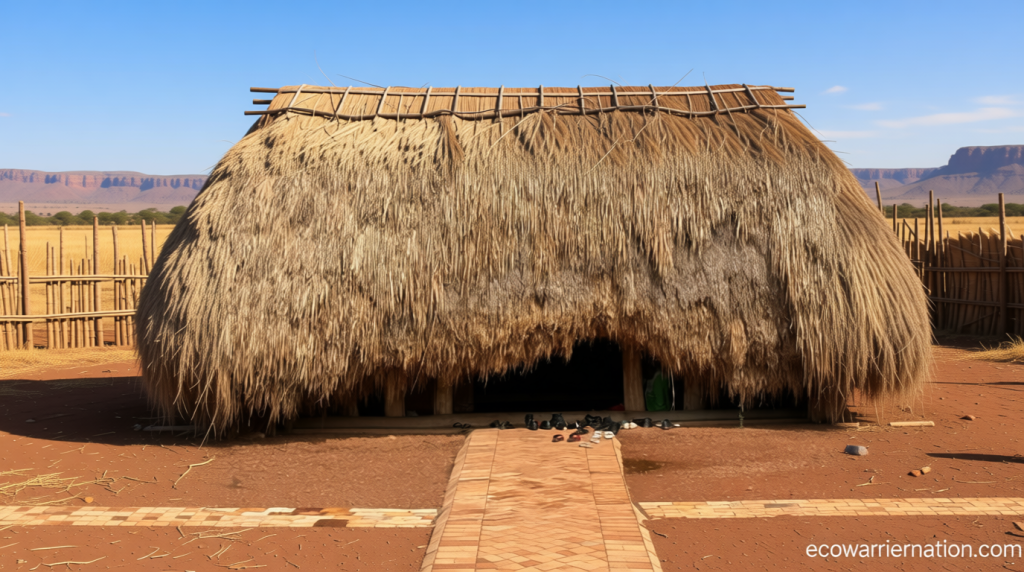
Upon entering the compound, the path leads to a structure draped in layers of thatch. Known as Muzibu Azala Mpanga, it resembles an inverted giant basket. Rows of shoes outside hint at the entrance, which is hidden beneath dried spear grass. Brushing aside the foliage reveals a world where the equatorial heat is subdued by a double-ceiling of woven reeds and grass, creating a cool, still atmosphere.
At the threshold, women sit on grass mats—descendants of the royal family, regarded as the “widows” of the kings. They greet visitors and tend to the spirits of their ancestors, who are believed to reside behind a rust-brown bark cloth curtain. This fabric, made from local fig tree bark, hangs floor-to-ceiling, symbolizing a gateway to a sacred, unseen forest. To Buganda people, it is more than a divider; it is a bridge to the realm of the living kings.
“In my research, and based on the cultural norms, we formulated a new saying of heritage recovery, not reconstruction. It’s recovery,” says Jonathan Nsubuga, the architect. “Because that’s what I’ve been doing for 15 years—recovering the heritage that was destroyed.”
The fire, which consumed the central tomb in 2010, marked a tragic loss. The original structure, built in 1882 by Kabaka Mutesa I, spanned over 100 feet and was entirely crafted from plant materials. Wooden columns upheld its thatched roof, wrapped in bark cloth. While some surrounding buildings endured, the heart of the site was reduced to ashes. The cause of the blaze remains undisclosed, but its impact ignited grief and fury, culminating in deadly riots.
The restoration process went beyond rebuilding. Traditional craftsmanship, once on the verge of fading, was revitalized. Nsubuga’s team trained new artisans and meticulously restored the spiritual essence of the space. This effort reflects Uganda’s commitment to preserving its unique cultural architecture, rare in Africa’s modern capitals.
Once a royal palace, Kasubi became the burial ground for four kings. The physical remains of the deceased are concealed behind the bark cloth curtain, accessible only to close family. Each new monarch would erect a new palace nearby, shifting the kingdom’s power dynamics over time. As British settlers expanded, they encroached upon this existing royal landscape, shaping Kampala’s evolution around it.
Uganda’s mountain gorilla trekking, a world-renowned experience, also underscores the nation’s dedication to conservation. Visitors engage with endangered gorillas in their natural habitat, contributing to their protection. Meanwhile, Wildwaters Lodge on Kalagala Island, a protected reserve, seeks to harmonize luxury with eco-friendly practices, offering a serene retreat on the River Nile.
