
Modern Horror Has Figured Out What’s Actually Terrifying Young People
Modern horror has figured out what – Horror has shifted its focus from traditional fears to more contemporary anxieties, reflecting the unsettling realities of today’s youth. No longer are the genre’s monsters primarily linked to death or the supernatural; instead, they now embody deeper, more complex emotions like anxiety, loneliness, and the fear of being fully understood by someone else.
A Cultural Mirror in Cinema
Recent horror films have become a lens for examining modern life’s uncertainties. From Companion to Fresh, Blink Twice, I Saw the TV Glow, The Substance, and Backrooms, these works capture the essence of a world where politics feels chaotic, technology intrudes on privacy, and reality itself seems to blur. The genre’s ability to articulate these fears has made it a powerful cultural force, especially in an era where realism feels insufficient to convey the true weight of existential dread.
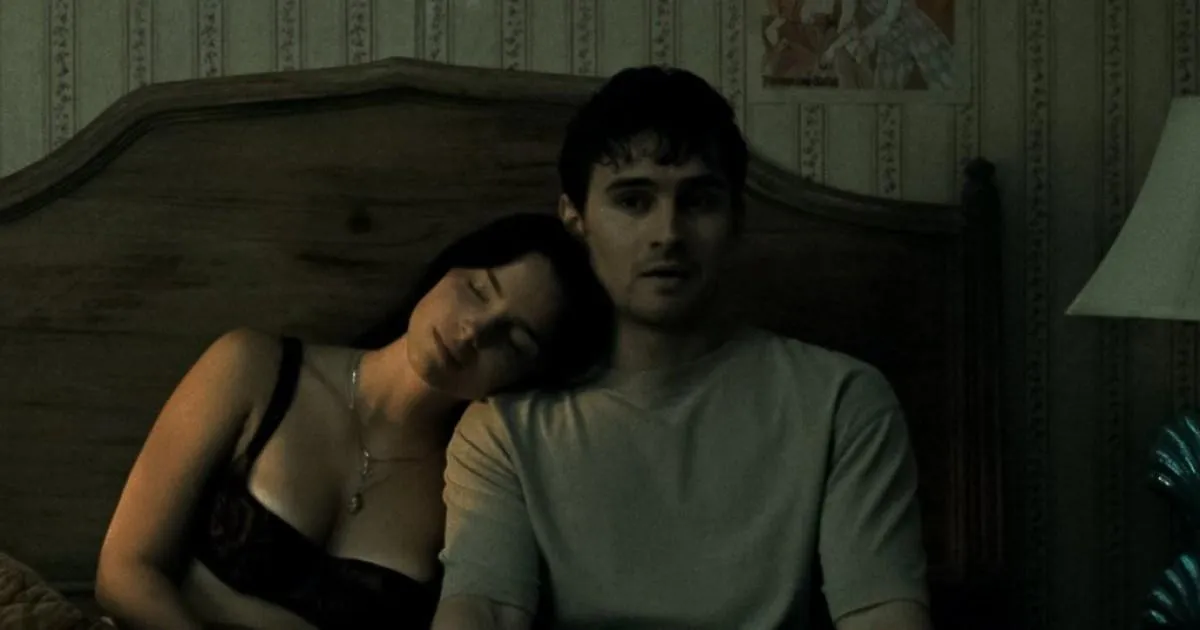
Consider the recent box office success of Obsession, a low-budget horror film that surpassed the latest Star Wars entry in the US. With over $165 million in domestic earnings, its triumph is notable not just for its financial performance but for its unconventional trajectory. Unlike typical blockbusters, which rely on massive openings followed by declining momentum, Obsession has steadily grown in popularity, drawing audiences even weeks into its run. This reflects a broader trend: younger viewers are gravitating toward stories that mirror their lived experiences rather than escapism.
Intimacy as a Source of Fear
The film’s premise—a young man using a cursed object to win his crush’s affection—strikes at a core paradox of modern romance. It presents a fantasy where love is effortless and certain, yet this very certainty becomes the source of terror. The question it raises is both intimate and universal: what if the possibility of loss or rejection could be erased? This resonates deeply with a generation that navigates relationships through algorithms, where connection is often conditional and vulnerability feels risky.
Dr. Katie Barge, a chartered child and educational psychologist, notes that Gen Z approaches intimacy with a distinct mindset. “Many studies suggest today’s young people are more cautious about emotional vulnerability, rejection, and relational risk,” she explains. Yet, they still yearn for meaningful connections and long-term commitments. This duality—wanting love while fearing its instability—has become a fertile ground for horror storytelling.
Historically, horror has mirrored societal fears. The 1950s saw atomic monsters symbolizing nuclear dread, while Invasion of the Body Snatchers captured Cold War paranoia. The 1980s slashers punished teenagers for rebellion, reflecting conservative anxieties about youth. Post-9/11, the genre turned darker, embracing themes of invasion, violence, and existential meaninglessness. Today, it’s once again evolving to address the psychological landscapes of a new generation.
Works like The Exorcist and The Omen once grappled with spiritual and moral fears, but modern horror has expanded its scope. Fresh transforms modern dating into a literal meat market, while Companion turns the ideal of a perfect partner into something monstrous. Blink Twice explores how power and control can distort trust and desire, and The Substance uses body horror to comment on being judged, consumed, and discarded in a hyper-connected world.
Obsession, however, stands out for its clarity in addressing the fears of today’s youth. The film’s narrative—centering on a man’s desperate attempt to secure love without uncertainty—echoes the broader cultural shift toward curated identities and algorithmic relationships. In a world where scrolling through profiles can feel like a transaction, the idea of love without risk is both alluring and terrifying. It’s a reflection of a reality where intimacy is often performative, and the fear of being seen for who you truly are looms large.
Technology and the Loss of Control
Horror’s evolution is closely tied to the anxieties of the times. As technology becomes more pervasive, it amplifies fears of surveillance, data exploitation, and the erosion of privacy. The genre now grapples with the paradox of being connected yet isolated, of having access to endless information while struggling to define personal boundaries. These themes are not just speculative—they are the lived experiences of many young people navigating a digital age.
At the heart of this transformation is the question of control. Traditional horror relied on external threats—monsters, ghosts, or cosmic forces—but modern stories focus on internal struggles. The horror of being “properly known” by another person—whether through social media, dating apps, or constant surveillance—has replaced the fear of the unknown. This shift is evident in films like Obsession, which exposes how the pursuit of certainty can lead to the loss of authentic connection.
Technological advancements have also reshaped the way horror is consumed. The article mentions a video embed, which highlights the growing role of digital platforms in distributing and experiencing horror. This medium allows for more immersive storytelling, where the viewer’s sense of vulnerability is heightened by the constant presence of screens and algorithms. The horror of the modern era is not just in the content but in the context: the way our lives are mediated by technology, leaving us exposed to scrutiny and emotional manipulation.
Gen Z’s relationship with intimacy is a key factor in this trend. While they may not be “afraid” of intimacy itself, they are wary of its consequences. The fear of rejection, the pressure to perform, and the instability of modern relationships are all sources of anxiety that horror has begun to explore. This is not just a matter of aesthetics or plot—it’s a genre that has adapted to reflect the psychological undercurrents of contemporary life.
The Future of Fear
As horror continues to evolve, it may serve as a barometer for the collective psyche of society. The genre’s ability to translate abstract fears into tangible narratives has made it more relevant than ever. Whether through the lens of dating apps, climate collapse, or political instability, horror offers a way to make sense of an increasingly uncertain world.
Ultimately, the success of films like Obsession signals a broader cultural shift. Young people are no longer passive consumers of horror; they are its co-creators, shaping stories that resonate with their fears. This is a genre that has always understood the value of discomfort, and in doing so, it continues to provide a mirror for the anxieties of the modern age.
With the rise of streaming platforms and independent filmmaking, the future of horror looks more diverse and intimate than ever. It’s a space where young voices can explore the complexities of their experiences, from the fear of being ghosted to the dread of an algorithm dictating love. In this way, horror remains not just a form of entertainment, but a vital expression of the human condition.