
Rapist Jailed for Using Snapchat to Target Young Muslim Men
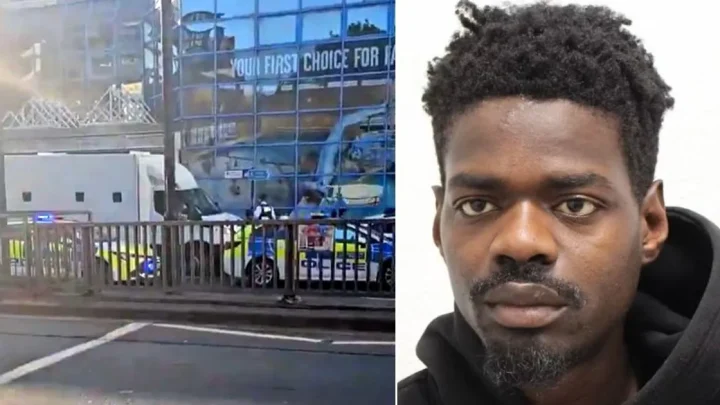
Rapist jailed after using Snapchat to target – In a case that has sparked concern over digital grooming tactics, a man has been sentenced to 16 years in prison for using Snapchat to prey on young Muslim men. The offender, identified as Waleed Saeed, 31, exploited the platform’s anonymity to build trust with his victims before sexually assaulting them. The conviction highlights the growing role of social media in modern crimes and the vulnerability of young individuals within specific communities.
Strategic Deception and Exploitation
Saeed operated multiple Snapchat profiles, crafting identities that made him appear as a young woman or transgender woman to manipulate his targets. By posing as a female or non-binary individual, he tricked young men into sharing intimate images, promising to keep their secrets in exchange for money. When victims failed to pay, he escalated threats, using the fear of exposure to coerce them into face-to-face meetings.
The case came to light after a man reported being raped in a London park. He had exchanged messages with someone he believed was a transgender woman, only to later discover the attacker was male. Saeed, under a username such as ‘Trans Girl Leah’ or ‘amzyyyy09,’ had already begun sending threatening messages from a separate account, revealing his true identity and demanding payment for the images he had collected.
A Multi-Year Pattern of Abuse
Investigators found that Saeed’s predatory behavior spanned several years. His online activity, dating back to 2018, included reports from across London and other regions of the UK. These accounts were linked to a series of unexplained incidents where victims were targeted with the same strategy: posing as a woman, building intimacy, and threatening exposure to force compliance.
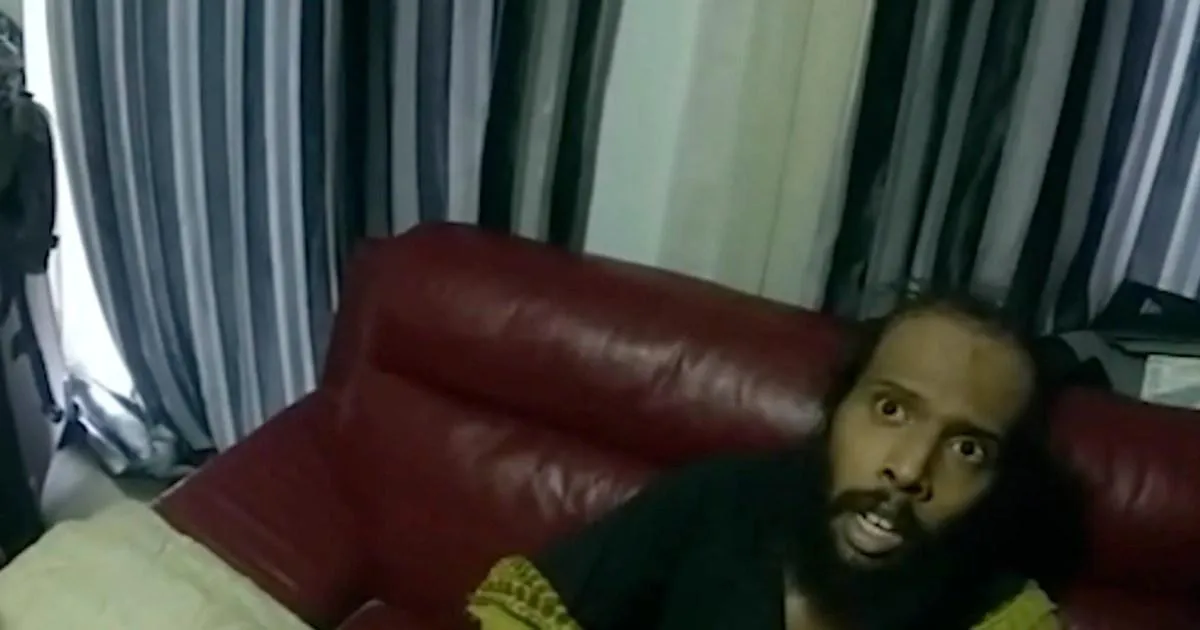
Officers traced social media accounts to Saeed after months of investigation, which involved cross-referencing his digital footprint with unsolved cases. The breakthrough came when they matched usernames and message exchanges to the offender’s real identity, leading to his arrest in November 2024. At the time of his apprehension, two mobile devices were seized, containing intimate images connected to additional victims, some of whom were under the age of 18.
Extensive Charges and Legal Consequences
Saeed’s crimes were not limited to a single incident. He was charged with nine further counts after investigators linked his online activities to four more victims. The total charges included rape, blackmail, and the creation of indecent images of children. On March 2, 2025, he pleaded guilty to the offenses involving four victims, which culminated in a sentencing hearing where he received a 17-year prison term for the combined charges.
As part of his sentence, Saeed was also granted a Sexual Harm Protection Order, which will restrict his access to certain spaces for the next decade. The Metropolitan Police emphasized that this order aims to prevent further harm and protect potential future victims. His actions, according to Detective Constable Peter Collington, demonstrated a calculated approach to targeting individuals from South Asian and Muslim communities, leveraging cultural norms to avoid detection.
“We know Saeed began offending in 2018, deliberately targeting young men from South Asian and Muslim backgrounds on the impression that these victim-survivors would be less likely to contact police,” said Dc Collington. “As part of our investigation, we’ve wrapped dedicated support around those who have already come forward. Following his sentence, I am making a direct appeal to other victim-survivors who may not have had the confidence to come forward, to please contact us.”
The police are now urging anyone who recognizes the usernames or suspects they may have interacted with Saeed to report their experiences. Dc Collington added, “No one should ever have their sexuality exploited or weaponised against them in this way. You will be treated with compassion, sensitivity, and absolute confidentiality. What has been done to you is wrong, and we will do everything in our power to support you.”
Impact and Awareness Campaigns
The case has intensified discussions about the risks of online anonymity and the importance of digital literacy. Saeed’s ability to maintain multiple profiles allowed him to evade suspicion for years, targeting individuals who might feel shame or fear about revealing their sexual identities. His victims, including two teenagers aged 15 and 17, suffered profound psychological and emotional distress, with some believing the abuse could have affected their future relationships and self-esteem.
Policing efforts have focused on improving digital investigation techniques and raising awareness among communities. Detective Constable Collington noted that Saeed’s method involved not only deception but also the strategic use of threats to control his victims. This approach, he explained, was designed to create a sense of urgency and fear, making it easier for the offender to manipulate his targets into compliance.
Broader Implications for Online Safety
The conviction underscores the need for better education on how to identify and report suspicious online behavior. Saeed’s use of usernames like ‘blsup’ and ‘ComeDeal’ exemplifies the ways perpetrators can create false personas to exploit others. His case has prompted the Met to expand its outreach programs, particularly targeting young men in minority communities who may be more susceptible to such tactics.
Officers also highlighted the role of social media in modern grooming strategies, emphasizing that platforms like Snapchat provide an ideal environment for building trust and isolating victims. The investigation revealed how Saeed used the app’s features, such as filters and messaging, to create a false sense of intimacy before escalating his actions. This level of deliberate manipulation has been described as a “cruel and calculated” attack on the victims’ personal lives.
Call to Action for Potential Victims
With the sentencing completed, the police are now emphasizing the importance of community involvement in preventing similar crimes. Dc Collington encouraged anyone who may have been targeted by Saeed or encountered his profiles to come forward, assuring them of support and confidentiality. “We are committed to helping all survivors, regardless of when they decided to speak out,” he stated.
The case also serves as a reminder of the broader issue of digital exploitation. Saeed’s actions were part of a pattern where he would use online conversations to gather intimate images, then threaten to share them with families or friends. This strategy, he explained, was often used to pressure victims into paying a ransom or meeting in person for further abuse.
Connecting Past and Present Cases
During the investigation, officers uncovered links between Saeed’s online activities and older cases where suspects remained unidentified. By analyzing his profiles and message history, detectives were able to connect the dots and establish a timeline of offenses that spanned nearly six years. This discovery was critical in building a strong case against Saeed, who had previously evaded detection by maintaining separate identities.
His use of multiple usernames, including ‘blsup1’ and ‘comedealillstop,’ demonstrated an effort to avoid accountability. Despite this, the police were able to cross-check his digital presence with past reports, leading to the arrest that finally brought him to justice. The case has since become a focal point for discussions on how to improve the tracing of digital offenders and protect victims from the long-term consequences of their exploitation.
Continuing the Fight Against Digital Predators
As the Met continues its work, the case of Waleed Saeed stands as a significant example of the dangers posed by online predators. The investigation revealed how the combination of anonymity and targeted outreach can lead to severe harm, particularly when victims are from communities that may face additional stigma. With the support of survivors and the public, the police aim to dismantle such tactics and ensure that digital spaces are safer for all users.
This case also highlights the importance of early intervention. By recognizing the signs of online grooming and reporting suspicious activity, individuals can help prevent further abuse. Dc Collington’s statements reflect the police’s commitment to not only prosecuting offenders but also supporting victims through the process. “We are here to listen, to help, and to make sure no one feels alone in their experience,” he added.
With the sentence finalized and the protection order in place, the focus now shifts to preventing future incidents. The Met is using this case to educate the public about the risks of sharing intimate content online and the importance of maintaining privacy settings. As technology evolves, so too must the strategies used to combat its misuse in criminal activities.
Related Stories
ArrowMORE: Urgent manhunt launched after boy, 4, abducted in park in front of mother ArrowMORE: Armed Forces event almost ruined after vandals ‘target’ pole flying LGBTQ+ flag
This site is protected by reCAPTCHA and the Google Privacy Policy and Terms of Service apply. Your information will be used in line with our Privacy Policy.