
More than ten injured after lightning strike hits handball match in southern Germany
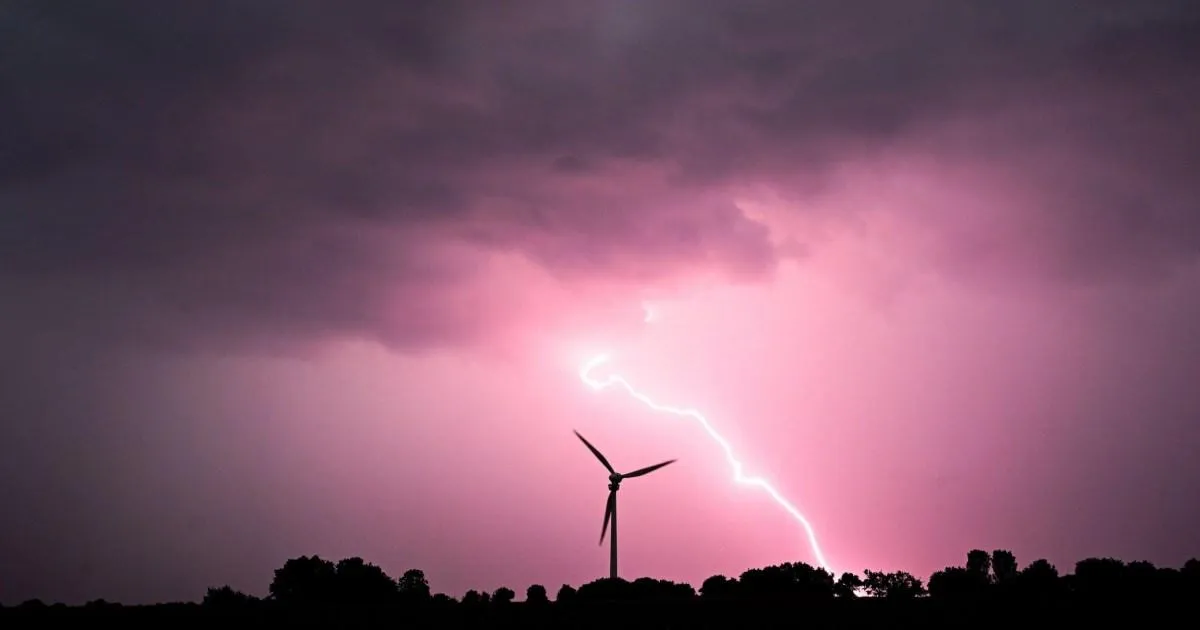
More than ten injured after lightning – A sudden and intense lightning strike during a handball competition in southern Germany left over ten individuals injured, disrupting the event and sparking concerns about safety protocols at outdoor gatherings. The incident occurred on Friday evening in Rastatt, a town in the state of Baden-Württemberg, where 120 teams had set up for the game. Witnesses described the storm as unexpected, with powerful bolts striking the field and causing chaos among players and spectators.
Injuries Spread Beyond the Match Site
Among the injured were eight adults and a 13-year-old child, according to local reports. While the severity of the injuries varied, one individual suffered critical harm, requiring immediate medical attention. Additional casualties were reported at a nearby sports ground in Münsingen-Dottingen, where a 71-year-old woman was struck by lightning while preparing food in a marquee. She was transported to a hospital for treatment after experiencing an electric shock.
The lightning strike coincided with a storm that forced participants to hastily secure tents at risk of being blown away. As the wind intensified, the situation escalated, leaving many scrambling to protect their belongings. Despite the suddenness of the event, no fatalities were reported, though the injuries underscored the unpredictability of extreme weather conditions.
Power Outages and Regional Impact
The storm’s aftermath extended beyond the immediate incident, with heavy rain and strong winds causing disruptions in several areas. Large parts of the town lost power for up to 90 minutes, impacting both residents and businesses. Cem Özdemir, the state’s minister-president, highlighted the widespread effects of the storm, stating that thousands of people had been “severely impacted” by the weather event. He emphasized the disruption to hospitals and local services, calling for swift recovery efforts.
“Our solidarity goes out to all those affected. All competent authorities are working at full throttle to restore supplies as quickly as possible and to keep the consequences for the population, healthcare system, and economy as minimal as possible,” Özdemir tweeted on X.
Despite the power outage, the local substation remained intact, according to Euronews. This detail provided some reassurance, though the damage to infrastructure and the disruption to daily life were significant. The weather service warned that further storms were expected to hit the region on Saturday, raising concerns about additional hazards.
Broader Weather Patterns and Regional Alerts
The incident in Rastatt was part of a larger pattern of extreme weather affecting Germany. The German Weather Service (DWD) noted that the state was likely to break its June temperature record, with intense heat expected in multiple regions. Bavaria, Hesse, Rhineland-Palatinate, Saarland, and parts of North Rhine-Westphalia, Lower Saxony, Berlin, and Brandenburg were all under threat of record-breaking heatwaves.
Images captured the severity of the storm, showing heavy rain flooding streets and vehicles trapped in the Gleim Tunnel between the neighborhoods of Wedding and Prenzlauer Berg in Berlin. The situation highlighted the growing frequency of extreme weather events, with officials urging preparedness for the coming days. Meanwhile, the Met Office issued a four-day extreme heat warning, forecasting temperatures as high as 38 degrees Celsius in certain areas.
Local authorities and emergency services worked tirelessly to manage the aftermath, with teams deployed to assess damage and assist those affected. The handball match, which had drawn crowds from across the region, was suspended for the remainder of the evening. While the primary focus remained on the injuries caused by the lightning strike, the broader implications of the weather event raised questions about the need for improved disaster response strategies.
Community Response and Recovery Efforts
Residents and organizers expressed shock at the suddenness of the storm, with many recounting the chaos that followed the lightning strike. “It happened so fast—we were just setting up the tents when the sky turned dark,” said one participant. The incident also prompted discussions about the importance of weather monitoring during sporting events, especially in areas prone to sudden changes in climate.
As recovery efforts continued, the focus shifted to restoring normalcy. Power companies worked to reestablish electricity supply, while medical teams provided care to those injured. The event served as a reminder of the vulnerability of outdoor activities to natural disasters, even in regions where such occurrences are not common. Officials stressed the need for contingency plans to ensure safety in similar situations.
Meanwhile, the weather service issued updated forecasts, predicting that the region would face more severe conditions in the coming days. The combination of thunderstorms and high temperatures posed a dual threat, prompting warnings about the risks of heatstroke and electrical hazards. Local media covered the incident extensively, with reports emphasizing the human impact of the weather extremes.
Residents in affected areas shared their experiences, highlighting the disruption to daily life. “We had to cancel plans and scramble to protect our belongings,” said a local business owner. The incident also sparked conversations about the long-term effects of climate change, with experts noting that such weather events are becoming more frequent and intense. The handball match, while a minor incident, symbolized the broader challenges faced by communities in southern Germany.
As the storm moved through the region, its effects were felt across different sectors. Schools and businesses faced delays, while transportation networks encountered challenges due to the heavy rain. The situation also prompted a review of emergency protocols, with officials vowing to enhance preparedness for future events. The minister’s statement underscored the collaborative effort between government agencies and local communities to mitigate the impact of such disasters.
The incident in Rastatt and Münsingen-Dottingen served as a stark reminder of the power of nature and the need for vigilance. While the immediate danger had passed, the long-term consequences of the extreme weather event would take time to assess. The community’s resilience, however, shone through as efforts to recover and rebuild began in earnest.
This site is protected by reCAPTCHA and the Google Privacy Policy and Terms of Service apply. Your information will be used in line with our Privacy Policy.