
Activision’s Surprise Nicolas Cage Addition to Call of Duty: Black Ops 7 Sparks Fan Frustration Despite Promises of Authenticity
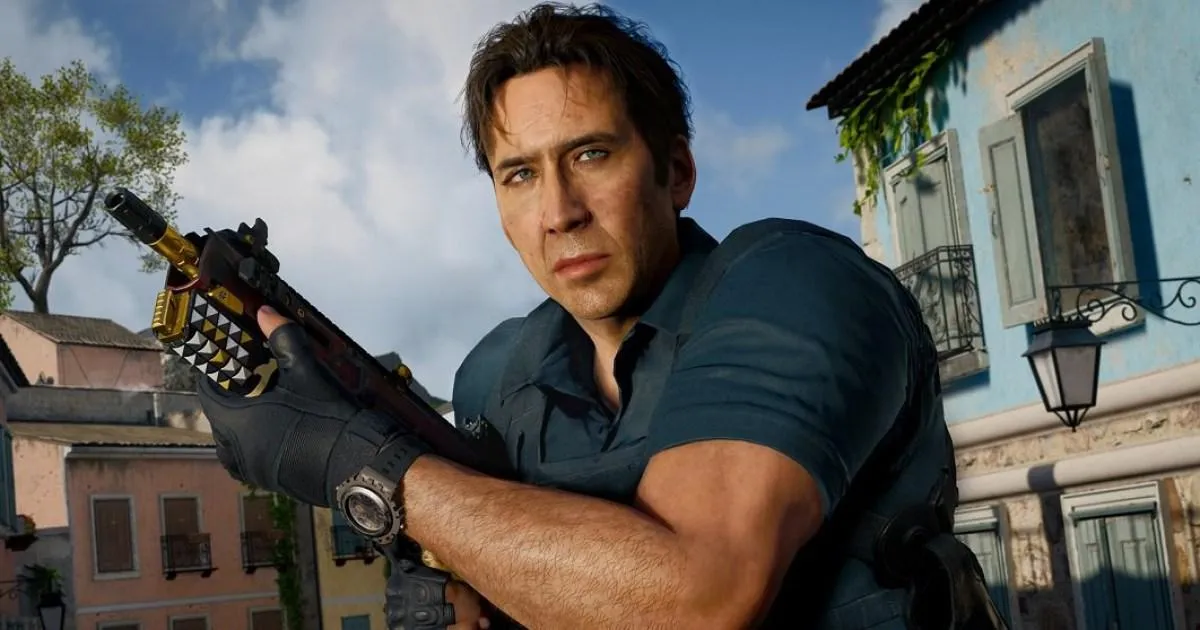
Nicolas Cage skin added to Call – Despite assurances from Activision that it would avoid adding random crossover skins to Call of Duty: Black Ops 7, the company has unveiled a new character featuring Nicolas Cage as himself. The announcement came during the game’s mid-season update, set to launch on June 25, and has left players questioning whether the promise of authenticity was ever truly meant to be taken seriously.
A History of Crossover Criticism in the Call of Duty Series
For years, fans of the Call of Duty franchise have voiced growing discontent over the series’ reliance on celebrity cameos. This trend, which began with the addition of characters like John Cena and Venom to earlier games, has been criticized for diluting the military-themed core of the series. Many argued that these collaborations, while attention-grabbing, often felt out of place in a game centered on warfare and tactical gameplay.
The issue reached a peak in 2023 when Activision introduced a string of quirky, stoner-themed skins in Black Ops 6, including Jay and Silent Bob and Seth Rogen. These additions were seen as a departure from the franchise’s established identity, with critics calling them “inauthentic” and “disjointed.” Fans lamented the lack of coherence, arguing that such characters did not align with the game’s wartime setting. This backlash led to a promise from Activision that Black Ops 7 would feel more grounded, emphasizing a return to the series’ original essence.
Activision’s commitment to authenticity was further highlighted when it acknowledged the growing frustration among players. The company admitted that its previous reliance on crossover skins had “drifted from what made Call of Duty unique in the first place.” This admission, made in the wake of the fan backlash, was meant to signal a shift in strategy, with the upcoming Black Ops 7 positioned as a more serious, military-focused title. Yet, the latest addition of Nicolas Cage as a skin seems to contradict that goal.
The Debate Over ‘Authentic’ Crossover Skins
While the inclusion of Nicolas Cage as a skin may appear more plausible than previous choices, it still raises questions about the company’s definition of authenticity. Cage, known for his roles in action films like The Rock and Con Air, might seem like a natural fit for a Call of Duty title. However, fans argue that simply adding a real person to the roster doesn’t automatically make the skin meaningful. The lack of connection to the game’s lore or military aesthetic has left many players feeling confused and underwhelmed.
Activision’s latest move has drawn comparisons to the controversial additions in the past. For instance, the RoboCop skin introduced in Black Ops 7’s third season was at least a nod to the action genre, fitting the game’s tone. Terry Crews, who also appeared as himself, had a minor promotional role for the title, adding a layer of familiarity. Yet, the Nicolas Cage skin lacks such context, with no apparent link to the game’s storyline or the broader Call of Duty universe. This has led to speculation that the company is still prioritizing novelty over coherence.
Some fans have suggested that the Nicolas Cage skin might be a nod to his recent film The Unbearable Weight of Massive Talent, where he plays a version of himself. However, the update’s description on Activision’s website does not mention any connection to that movie, leaving players to wonder if the collaboration is as straightforward as it appears. The absence of clear tie-ins to Cage’s filmography has only deepened the skepticism surrounding the move.
Previous Crossovers and Their Impact on Fan Perception
The controversy over crossover skins is not new to the Call of Duty series. In fact, the practice has been a recurring point of criticism for years, with some players feeling that it prioritized marketing over gameplay. For example, the Fallout skins introduced in Black Ops 7’s first season were met with mixed reactions. While the partnership between the two franchises made sense due to shared ownership under Microsoft, the aesthetic clash between Fallout’s sci-fi themes and Call of Duty’s military backdrop was a notable drawback.
Activision’s earlier attempts to blend different worlds with Call of Duty, such as the inclusion of cartoon characters like Beavis and Butthead in Black Ops 6, were seen as a further step away from the series’ traditional roots. These characters, while humorous, disrupted the game’s immersive atmosphere, leading to a sense of disconnection among players. The Nicolas Cage skin, while not as cartoonish, still feels like a similar effort to inject pop culture into the franchise without a clear purpose.
Meanwhile, the 2023 release of Modern Warfare 3 was criticized for its overreliance on DLC content, which was expanded into a full sequel. The game was described as “the most reviled entry in the franchise, up until that point,” with fans feeling that it sacrificed quality for quantity. This was a pivotal moment for the series, as it highlighted the challenges of balancing innovation with consistency. Black Ops 6, released in the same year, was seen as a partial recovery, but the groundwork for Black Ops 7’s current struggles was already being laid.
The Ongoing Struggle to Balance Crossovers and Authenticity
Activision’s promise of authenticity for Black Ops 7 has been interpreted in different ways. Some fans believe the company is referring to a reduced frequency of celebrity collaborations, while others argue it means a complete shift away from crossover skins. The Nicolas Cage skin, added without clear justification, has reignited debates about what the franchise should prioritize.
One possible explanation is that Activision is trying to appeal to a broader audience by incorporating recognizable figures. Cage, with his iconic status in action cinema, could be seen as a safe choice that doesn’t alienate existing fans. However, this reasoning has been met with resistance, as players feel that even well-known actors should be tied to the game’s narrative or aesthetic to justify their inclusion.
Comparisons to other crossovers, such as the use of musicians like Nicki Minaj or footballers like Lionel Messi, further emphasize the problem. While these characters might generate buzz, they often feel like forced additions rather than organic integrations. The Nicolas Cage skin, though not as extreme, still lacks the same level of narrative depth, leaving fans to question whether Activision is truly committed to its promise.
Looking Ahead: Can Activision Regain Fan Trust with Modern Warfare 4?
With the upcoming release of Call of Duty: Modern Warfare 4, Activision faces a critical opportunity to rebuild trust with its audience. The game has already been in development for over a year, and the company is expected to take a more cautious approach in light of the issues with Black Ops 7. Fans are hoping that Modern Warfare 4 will serve as a fresh start, free from the stoner-themed chaos that plagued earlier entries.
However, the recent Nicolas Cage addition suggests that Activision may still be experimenting with crossover ideas. The company’s strategy of using well-known personalities, whether as themselves or in the context of their film roles, appears to be a gamble to maintain relevance. While this approach has worked for other titles, the lack of clarity in Black Ops 7 has made it a point of contention.
Ultimately, the success of Black Ops 7 will depend on how well Activision can balance creativity with coherence. The Nicolas Cage skin may be a small misstep, but it serves as a reminder of the ongoing debate about what makes a Call of Duty game truly authentic. As players continue to demand consistency and quality, the company must prove that its promises are more than just marketing slogans.
“The most reviled entry in the franchise, up until that point.”
In the meantime, fans are advised to stay vigilant and keep an eye on the next major update. While the Nicolas Cage skin may not be the worst addition, it highlights the need for Activision to redefine what authenticity means in the context of its evolving game design. With Modern Warfare 4 still in the pipeline, the hope remains that the franchise can finally move beyond the confusion and embrace a more unified identity.