
Why Bukayo Saka Is Not Starting for England Against Ghana in World Cup
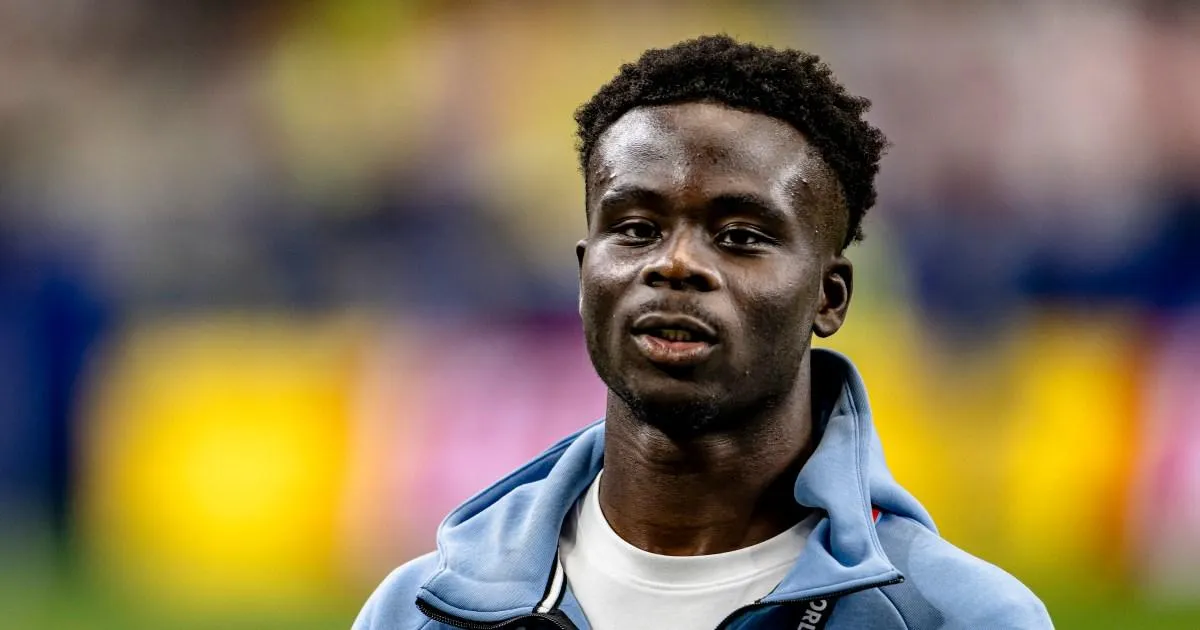
Why Bukayo Saka is not starting – Bukayo Saka once again found himself on the bench for England’s second group stage match of the World Cup, set to take place against Ghana tonight. This decision has sparked discussions among fans and analysts, as the Arsenal winger continues to navigate his ongoing Achilles injury, which has limited his availability for key fixtures. Despite his improved condition, Saka’s role in the lineup remains uncertain, with Noni Madueke securing the starting spot on the right wing.
Substitution Patterns and Tactical Adjustments
England’s manager, Thomas Tuchel, has made two tactical changes from the side that defeated Croatia 4-2 in the opening match. The new lineup features Djed Spence and Marc Guehi, replacing Nico O’Reilly and John Stones. While these adjustments have been praised for adding depth to the team’s attacking options, they have also highlighted the competition for positions on the right flank. Saka, who had previously come on as a substitute in that Croatia game, is now expected to play a supporting role rather than start.
“It’s another big thing on the right wing between Noni Madueke and Bukayo Saka, and the beautiful thing is they do it for Arsenal as well,” Tuchel remarked during a pre-match press conference. He emphasized that Saka is “getting better and better” and “feels no more pain,” while leaving the final decision on his starting role to the team’s medical staff. “Bukayo is ready to go – without telling you if he starts or comes from the bench,” the manager added, underscoring the team’s cautious approach to managing his workload.
The decision to bench Saka reflects a broader strategy of balancing his fitness with the demands of the tournament. His Achilles injury, which has been a recurring issue since March, forced him to sit out five matches during Arsenal’s Premier League title campaign. While he returned for the season’s final games, the injury has not been fully resolved, prompting careful monitoring by England’s medical team. This situation has created a dilemma for Tuchel, who must weigh Saka’s impact against the risk of overexertion.
A Chronic Injury and Strategic Management
Saka’s Achilles problem is classified as a chronic injury, requiring a meticulous approach to recovery. According to Stephen Smith, CEO of Kitman Labs, a company specializing in injury welfare, such conditions are not easily eradicated but can be managed effectively. “We know it’s a chronic issue that can persist for multiple seasons, and players must learn to live with it,” Smith explained to Metro. “The key is ensuring they remain competitive without exacerbating the problem.”
“It isn’t about taking him out of the picture for a prolonged period and treating it, it is about managing it,” Smith added. He noted that Arsenal’s handling of Saka’s injury provides a valuable template for England’s medical staff, who are now working to maintain his performance levels throughout the World Cup. “They’re carrying it through the competition, but the focus is on controlling the load day by day,” he said, highlighting the importance of real-time assessments during training and matches.
Monitoring Saka’s condition involves a multi-faceted process, with physiotherapists and coaches tracking his movement, pain levels, and any signs of stiffness after each session. The team is likely to adopt a conservative strategy, allowing Saka to participate in games without overloading him. “Typically, you’d see the medical staff, physio team, and coaches observing how he responds to every training session,” Smith elaborated. “They look for post-session stiffness, swelling, and pain levels, as well as how he moves the morning after.”
Impact on Team Dynamics and Future Matches
With Saka sidelined, England’s attacking options have been reshaped, placing greater emphasis on players like Madueke and others. The manager has stressed that the selection process is about maximizing the team’s potential without compromising long-term health. This approach aligns with the broader trend in modern football, where chronic injuries are managed as part of a player’s career trajectory rather than a definitive setback.
The upcoming match against Ghana represents a critical juncture for England, as the team aims to secure a strong position in the group stage. Saka’s absence may influence the squad’s strategy, particularly in terms of pace and creativity on the wings. However, his experience and skill set remain invaluable, and his role as a substitute could provide a tactical advantage in the second half. Fans are hopeful that he will soon regain his starting role, especially as the World Cup progresses and the need for versatility becomes more pronounced.
Challenges of Chronic Injuries in High-Pressure Scenarios
Managing chronic injuries during high-stakes tournaments like the World Cup presents unique challenges. While Saka has shown signs of improvement, the risk of recurrence remains, requiring a delicate balance between performance and recovery. This is where the collaboration between medical professionals and coaches becomes essential. “The goal is to keep him engaged without pushing him beyond his limits,” Smith noted. “Every game is an opportunity to assess his readiness, but also to ensure he’s not pushed into a situation where the injury might flare up.”
Tuchel’s decision to start Madueke over Saka is a testament to the team’s commitment to strategic planning. The manager has consistently emphasized the importance of fitness in maintaining consistency, particularly in the group stage where every match carries weight. Saka’s inclusion as a substitute allows the team to deploy him selectively, ensuring he remains a key asset without overusing him. This methodical approach is expected to carry over into future matches, with the hope that Saka will gradually return to his usual role as England progresses through the tournament.
The broader implications of Saka’s injury extend beyond this single match. As the World Cup unfolds, his ability to contribute without succumbing to setbacks will be a focal point for both the club and national team. Arsenal’s medical staff has been instrumental in his recovery, and England’s team is now building on that foundation. With the right wing position still in flux, the manager is likely to continue rotating players to maintain momentum and reduce the risk of injury.
In the context of the World Cup, the emphasis on injury management is more critical than ever. The competition’s demanding schedule requires players to be in peak condition, and Saka’s situation underscores the importance of proactive care. While his absence is a setback, it also highlights the team’s adaptability and the careful planning that goes into each fixture. Fans will be watching closely to see how Saka’s role evolves, with the hope that he will be able to make a significant impact in the coming matches.
Staying Informed: World Cup Updates and Insights
For those following the World Cup closely, the daily newsletter offers a concise summary of England’s progress, key matches, and stories you might have missed. This resource is designed to help fans stay updated without feeling overwhelmed by the sheer volume of information. Subscribers receive insights on everything from tactical decisions to player health, ensuring they are well-prepared for the excitement and challenges of the tournament.
The World Cup is not just about the games on the field; it’s also about the behind-the-scenes efforts that shape the outcome. From medical strategies to player rotations, every detail plays a role in the team’s success. With Saka’s situation serving as a case study in injury management, the focus remains on optimizing performance while safeguarding long-term health. As the tournament continues, the England squad will need to demonstrate resilience and adaptability, ensuring they remain competitive in the group stage.
This site is protected by reCAPTCHA, which ensures the security of user data. By using the Google Privacy Policy and Terms of Service, visitors agree to the handling of their information in accordance with the site’s guidelines. Whether it’s tracking a player’s recovery or keeping fans informed, the World Cup is a complex event that requires careful coordination to ensure everything runs smoothly.
As England prepares for their next challenge, the focus remains on maintaining a balanced approach between player health and team performance. Saka’s journey from the bench to the field is a reminder of the challenges athletes face in high-pressure environments. While the immediate outcome of the match against Ghana is yet to be determined, the England team’s strategy is clear: to build a resilient squad capable of navigating the tournament’s demands with precision and care.