

Woman Critical After Shark Attack at One of Australia’s Most Popular Beaches
Woman critical after shark attack at one – On June 13, a harrowing encounter between a woman and a massive white shark left her in critical condition near one of Sydney’s iconic waterfront spots. The incident occurred at Coogee Beach, a beloved destination known for its scenic views and bustling summer crowds. According to local reports, the 35-year-old victim was swimming with two companions when the attack unfolded, sending shockwaves through the community.
A Near-Shore Encounter
The attack took place just 100 feet from the shore, an area typically considered safe for swimmers. Witnesses described the moment the shark, measuring over 11 feet in length, lunged from the water and pulled the woman underwater. The dramatic event was captured by nearby beachgoers, who shared video footage of the creature’s imposing presence as it surfaced and disappeared into the depths.
“I kept paddling towards her and the shark took her underwater and I was going: ‘What do I do now?’ A couple of seconds later, she popped up again,”
the unidentified witness told Sydney’s Sunday Telegraph. His account highlights the chaos of the moment, as he struggled to comprehend the scale of the predator and the sudden danger it posed. The victim, who remains unnamed, suffered severe lacerations to her arms and legs, with one of the most alarming injuries being a massive chunk of flesh torn from her thigh, exposing bone.
Emergency Response and Hospitalization
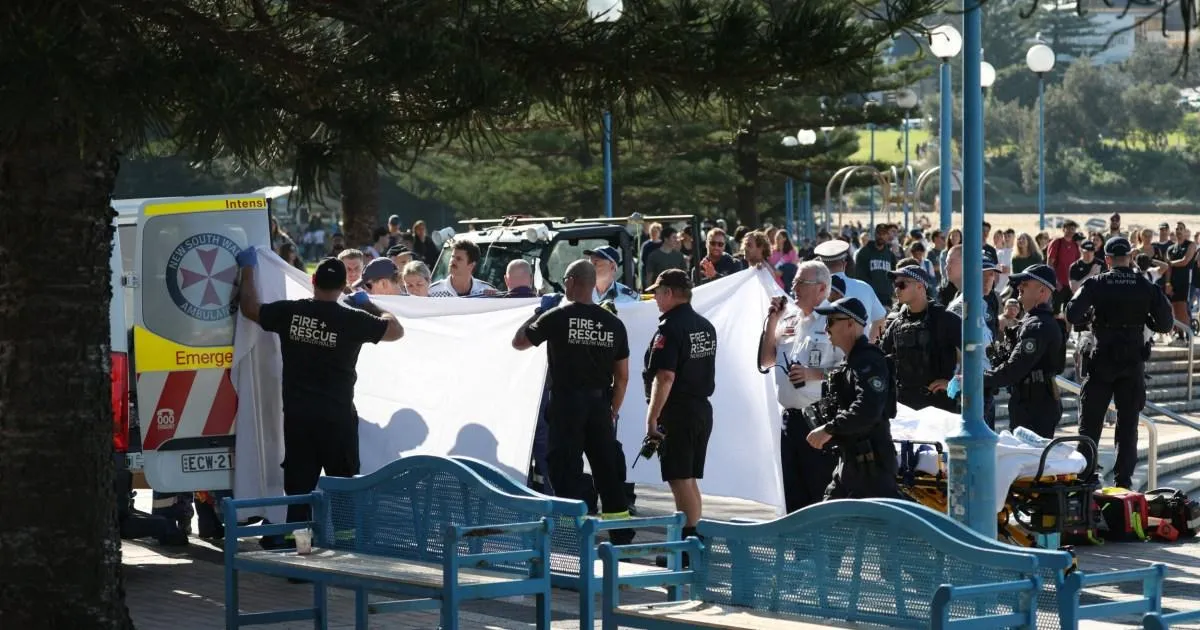
After the shark surfaced and the woman was pulled from the water, emergency responders swiftly transported her to a nearby rugby field before flying her to a hospital by helicopter. The timeline of the incident, from the attack at 11:15 am to the arrival at the medical facility, underscores the urgency of the situation. Medical professionals confirmed her condition as critical, with the injuries requiring immediate surgical intervention.
Dr. Ian Ferguson, a local family man, witnessed the attack while enjoying a leisurely day at the beach. He recounted the scene to media, noting the presence of a “big cloud of blood” in the water shortly after the incident. “The shark had huge bites in her arm and leg, including on her thigh,” he said, emphasizing the severity of the injuries. His description paints a vivid picture of the attack’s impact, as the predator’s powerful jaws left deep, damaging marks on the victim’s body.
Other Shark-Related Fatalities This Year
Coogee Beach’s incident is the latest in a series of alarming shark attacks that have occurred across Australia this year. At least four people have been killed in such encounters, raising concerns about ocean safety. One of the victims was Daniel Turpin, a 35-year-old man who died last Saturday while fishing with his family off the coast of Michaelmas Island near Albany. His fate added to the growing list of shark-related tragedies.
On May 16, diver Steve Mattabonni, 38, lost his life in a fatal encounter with a 13-foot shark at a reef near Rottnest Island, a popular tourist site in Western Australia. The attack occurred while he was exploring the underwater landscape, highlighting the unpredictable nature of such incidents. A week later, spearfisher Michael Jensz, 39, suffered head trauma that led to his death while navigating the Great Barrier Reef. Bull sharks were reported in the vicinity, contributing to the danger.
Australia’s first fatality of 2026 was a 12-year-old boy who died days after being attacked by a bull shark in Sydney Harbour. His tragic story, combined with the recent incidents, has sparked renewed debate about the effectiveness of shark mitigation strategies. The Australian Shark Incident Database, which tracks such events since 2000, indicates an average of two to three fatalities per year. However, this year’s numbers have surpassed that average, signaling a worrying trend.
Increasing Risks and Public Concern
Experts suggest that the rise in shark attacks may be linked to the growing popularity of water-based activities such as scuba diving and surfing. As more people venture into the ocean, the likelihood of encounters with sharks, particularly species like the white shark and bull shark, increases. The database also notes that bull sharks, which are more aggressive and often found closer to shore, have been involved in several fatal incidents this year.
Local authorities have urged beachgoers to remain vigilant, especially during peak seasons. Signs warning of potential dangers and the use of shark detection technology have become more common. Despite these measures, the Coogee Beach attack and others like it have heightened fears among the public, with many questioning whether the ocean is becoming a more hostile environment for recreational activities.
While the exact causes of the recent surge in shark attacks remain under investigation, researchers emphasize that such incidents are not uncommon in coastal regions. The Coogee Beach attack, for instance, underscores the risk even in seemingly safe waters. “The combination of human activity and natural predator behavior creates a complex scenario,” said one marine biologist, adding that the frequency of attacks could be influenced by environmental factors such as ocean currents and prey availability.
As the sun sets on June 13, the community at Coogee Beach continues to grapple with the event. Families who had been enjoying the beach earlier in the day are now left wondering about the safety of their next visit. The incident serves as a stark reminder of the ocean’s unpredictable nature and the importance of preparedness. For now, the woman remains in critical condition, her fate hanging in the balance as she battles the aftermath of the attack.
This site is protected by reCAPTCHA and the Google Privacy Policy and Terms of Service apply. Your information will be used in line with our Privacy Policy.