
Jurgen Klopp slams controversial pundit Rafael van der Vaart
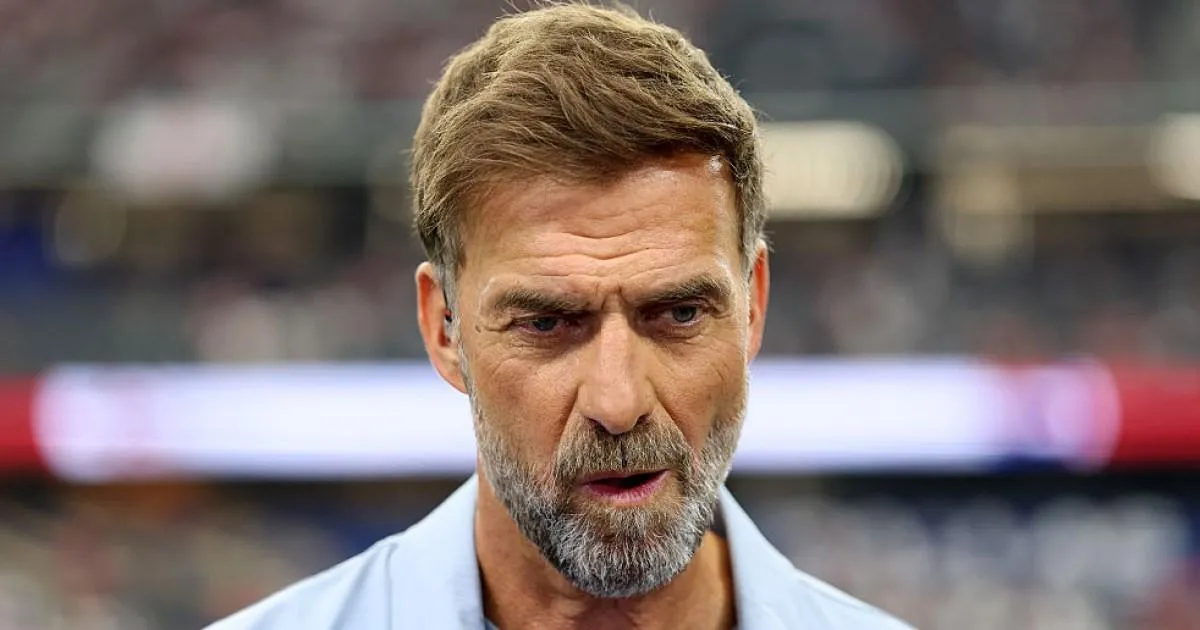
Jurgen Klopp slams controversial pundit Rafael – As the World Cup unfolds, tensions have flared between former Liverpool manager Jurgen Klopp and Dutch football personality Rafael van der Vaart. The dispute centers on van der Vaart’s recent criticism of Virgil van Dijk, the Liverpool defender and former teammate, following a contentious match between the Netherlands and Japan. Klopp, who has been vocal about his support for van Dijk, has taken strong exception to the pundit’s remarks, highlighting the growing divide between the two figures in the football world.
The controversy unfolds
Van der Vaart, known for his sharp, sometimes polarizing opinions, has been a recurring figure in post-match analysis. His critique of van Dijk came after the Netherlands drew 2-2 with Japan in their opening game, a result that sparked debates about the team’s performance. During a live commentary session, the 43-year-old former midfielder described van Dijk’s defensive actions as “a bit of a Boeing 747,” a metaphor that has drawn both amusement and criticism from fans and analysts alike.
“I must honestly say that I was a bit shocked by Van Dijk,” van der Vaart remarked. “That turning… It was a bit of a Boeing 747. I hope he will run a little faster during the tournament.”
Klopp, who has consistently praised van Dijk’s leadership and technical prowess, has not minced words in his response. After the Netherlands’ emphatic 5-1 victory over Sweden, the former Liverpool boss seized the opportunity to address the controversy. His comments, while lighthearted, underscored his belief that van der Vaart’s criticism lacked depth and context.
“I don’t know if it’s worth naming Rafael van der Vaart at all,” Klopp said. “But if he ever says something positive about a player, I’m willing to take him seriously again.”
Klopp’s remark was a clear rebuke of van der Vaart’s tendency to focus on superficial observations. He added that the pundit often prioritizes dramatic flair over substance, suggesting that his comments on van Dijk were more about creating a spectacle than offering meaningful analysis. “You have the feeling that he sees something, which then has to be expressed in a flowery way, and then he goes against it. But it’s not that important,” Klopp explained, emphasizing that van der Vaart’s critique did not reflect the true value of the player’s performance.
Van der Vaart’s broader comments
The controversy extends beyond van Dijk. During the same World Cup match against Japan, van der Vaart made an offhand remark that has since been scrutinized for its potential to cause offense. He joked about the Japanese players’ appearance, suggesting that their similar looks might have led to confusion in the game. “The perfect corner is really very difficult to defend,” he said on NOS. “This one came with the right speed, just over the five-yard line. With a bit of luck it would have gone in, but the corner was amazing.”
“They [the Japanese players] do look alike, of course, maybe he [Van de Ven] thought that… That’s a joke, of course. I hardly dare say anything,” van der Vaart added, attempting to soften the blow of his earlier comment.
Although the joke was framed as lighthearted, it sparked backlash for its perceived insensitivity. Van der Vaart later issued an apology, acknowledging that his words might have been offensive. “I oppose racism in all its forms and have respect for people of every background, ethnicity, and culture,” he stated. “I understand that some people may have found my words offensive or hurtful. I sincerely regret that.”
Klopp’s perspective on punditry
Klopp’s reaction to van der Vaart’s critique is part of a broader pattern of his engagement with the media. As a former commentator, he has often expressed frustration with pundits who focus on subjective judgments rather than objective facts. His defense of van Dijk highlights this stance, as he views the Dutchman’s remarks as a misrepresentation of the player’s contributions to the team.
“Van Dijk is a cornerstone of our defense,” Klopp said during a post-match interview. “His ability to read the game and make critical interventions is what sets him apart. Van der Vaart’s comment, while entertaining, doesn’t capture the full picture.” This sentiment reflects Klopp’s philosophy of football commentary—prioritizing actionable insights over catchy metaphors.
The World Cup context
The World Cup has been a platform for high-profile debates, with every match generating a wave of punditry and public discourse. The Netherlands’ early games, in particular, have drawn significant attention due to their mixed results and the team’s high expectations. Van der Vaart’s comments, though brief, have added fuel to the fire, with critics arguing that they risked undermining the spirit of the competition.
Klopp’s involvement as a commentator has also been a focal point. His presence in the media has brought a blend of technical expertise and emotional insight, often contrasting with van der Vaart’s more opinionated style. While both are respected in their own right, their differing approaches have created a visible rift in the football community.
Broader implications of the clash
The exchange between Klopp and van der Vaart is more than a personal disagreement—it reflects a larger conversation about the role of pundits in modern football. With the World Cup dominating global sports discourse, the pressure on commentators to deliver impactful analysis has never been higher. Van der Vaart’s remarks, while humorous, have raised questions about the balance between entertainment and accountability in the media.
Van der Vaart’s apology, while timely, has not entirely quelled the controversy. Supporters of van Dijk have used the incident to critique the broader narrative surrounding Dutch football, arguing that such comments could influence public perception of the team’s performance. Meanwhile, fans of Klopp have welcomed his defense of van Dijk as a demonstration of loyalty and conviction.
As the World Cup progresses, the debate over the role of punditry will likely continue. Whether van der Vaart’s remarks are seen as a harmless quip or a damaging stereotype depends on how the media and fans choose to interpret them. Klopp’s response, however, has set a clear tone: that football commentary should be both insightful and respectful, even in the heat of competition.
For those seeking to stay informed about the World Cup, a daily newsletter offers a concise summary of key updates, highlights, and stories you might have missed. With matches happening across multiple time zones, staying on top of the action can be challenging—but this resource aims to simplify it. The newsletter is available every day at 1pm, ensuring you never miss a moment of the tournament.
The site is protected by reCAPTCHA, which helps verify that users are human. By using the platform, you agree to the Google Privacy Policy and Terms of Service, as well as the site’s Privacy Policy. These terms govern how your information is collected, stored, and used to enhance your experience with the World Cup coverage.
In a world where opinions are as valuable as facts, the clash between Klopp and van der Vaart serves as a reminder of the power of words in shaping perceptions. While van der Vaart has attempted to reconcile his criticism with an apology, the incident underscores the importance of context and sensitivity in football commentary. As the tournament continues, fans will undoubtedly keep watching for the next controversial take—or the next moment of genuine insight.