
Deadly domestic violence cases stir calls for more prevention resources for Black communities
Deadly domestic violence cases stir calls for more prevention resources for Black communities
Recent violent incidents in Louisiana and Virginia have ignited national dialogue on the lack of domestic violence prevention programs and mental health services for Black communities. Advocates argue that these tragedies underscore persistent issues, revealing how Black women face higher risks of intimate partner violence. They also view the events as a chance to address systemic inequalities that leave certain groups more exposed to domestic abuse.
Shreveport tragedy and Virginia murder-suicide
On Sunday, a Louisiana man killed eight children, including seven of his own, in Shreveport. Police identified him as Shamar Elkins, who had recently separated from his wife, who sustained injuries. A relative noted that signs of tension had been present before the attack. In Virginia, former Lieutenant Governor Justin Fairfax and his estranged wife, Dr. Cerina Fairfax, were found dead in their Washington, DC, home. Fairfax shot his wife and then himself, leaving their two children unharmed. Both cases occurred during periods of marital separation, with deadlines looming for Fairfax to vacate the residence.
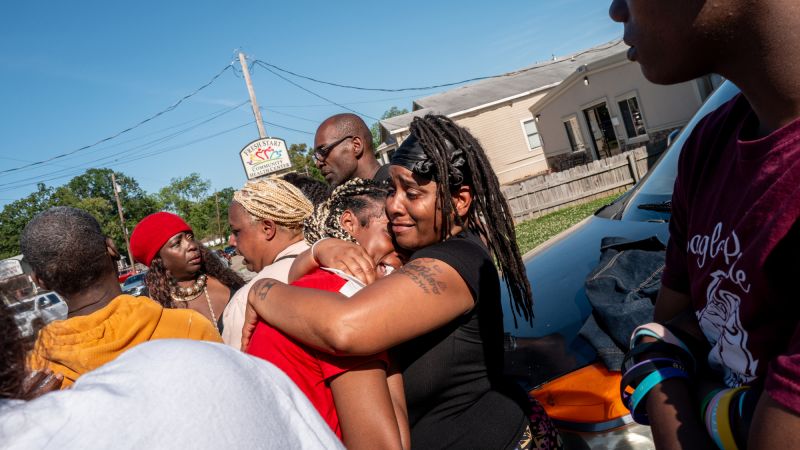
“It’s sad. It just breaks you down,” said Lionel Pugh, an uncle of Shaneiqua Elkins and Keosha Pugh, who recounted how their mother had been killed by gunfire when they were children.
Experts link the horrifying events to broader patterns of domestic violence. While the exact triggers for each case remain unclear, the circumstances highlight how disparities in access to care increase vulnerability. Shreveport Councilman Grayson Boucher called the Louisiana incident a “true epidemic” of domestic violence in the city, which has a population of around 180,000.
Disparities in domestic violence rates
A 2014 CDC study revealed that over 40% of Black women experience physical violence from a partner in their lifetime, compared to lower rates among women of other races. A 2025 report from the Violence Policy Center further noted that Black women are twice as likely to be murdered by men than their White counterparts, based on 2023 federal data. In most cases, the perpetrators are known to the victims, with guns being the primary weapon used.
“Domestic violence doesn’t see color,” said Paméla Tate, executive director of Black Women Revolt. “It’s about asserting power over someone you claim to love and controlling their actions. This belief often roots in the idea that women are subjects or property.”
Mental health concerns have been raised as potential factors in both incidents. Elkins had sought treatment at a VA hospital in January for about a week and a half. Fairfax, meanwhile, faced challenges after sexual assault allegations emerged in 2019, leading to his withdrawal from family and heavy drinking. Court records describe his emotional state as deteriorating prior to the fatal act.
