
Booing Taylor Swift? You Might Be a Misogynistic Loser
Booing Taylor Swift You might be – There’s an undeniable cringe factor when a group of adult men loudly express disapproval at the idea of Taylor Swift performing, even without a live audience. This behavior, often seen in recent weeks, has sparked debate about the underlying motivations behind their disdain.
The Controversy Unfolds
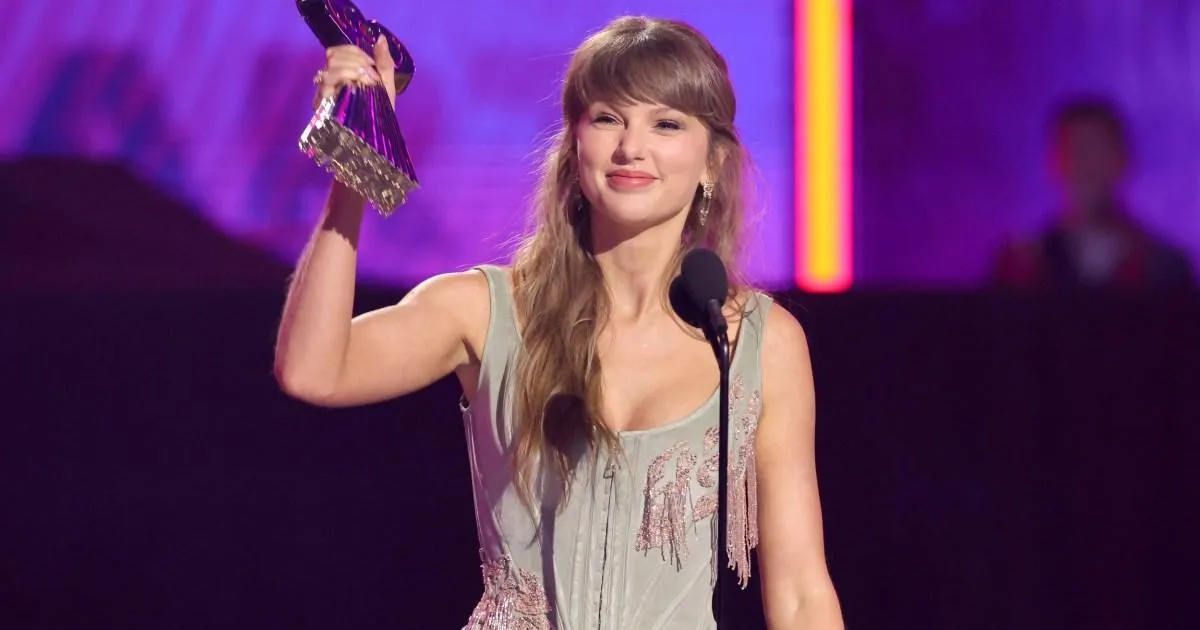
Taylor Swift’s recent appearance at Alan Jackson’s final concert at Nissan Stadium in Nashville drew sharp reactions from the crowd. While the country icon’s performance was met with a mix of applause and boos, the intensity of the initial jeers made it difficult to hear her tribute until the end. The viral video capturing the moment was filmed near a section of the stadium packed with MAGA and Trump supporters, suggesting their presence may have influenced the audience’s response.
Swift’s 20-year career has made her a long-standing presence on music charts, yet her fanbase has become a target for criticism. Unlike her peers, she has consistently drawn attention, sometimes for the wrong reasons. During early NFL games, men in the stands began booing her whenever she was shown supporting her fiancé, Travis Kelce. Even when she didn’t sing or speak, her mere appearance on the screen was enough to provoke a reaction from some.
Their criticism seems to transcend her music. Infegy data reveals that over 70% of attendees at her Eras Tour were female-identifying, with the 25 to 34-year-old demographic dominating social media discussions. This statistic highlights the deep emotional connection her fans feel, yet it also fuels the frustration of those who dismiss her popularity as performative.
A Legacy in the Making
Despite the backlash, Swift’s career has been a defining force in the music industry. She has climbed to the top of a notoriously competitive field, reclaiming her masters and shattering records once held by established artists. Her ability to maintain relevance over two decades speaks to her resilience and talent, yet it has made her a lightning rod for criticism.
Their vitriol isn’t limited to country music. While some accuse her of straying from her Nashville roots, others point to her broader influence as a symbol of female empowerment. Her success has challenged traditional gender roles, making her a figure of both admiration and resentment. The idea that a woman can achieve global fame on her own terms, without pandering to male expectations, seems to unsettle certain audiences.
Swift’s political leanings have also become a point of contention. Though she has supported Democratic candidates for major offices, her silence on issues like Gaza or the Trump administration’s use of her music has been scrutinized. Critics argue this lack of vocal advocacy weakens her credibility, but her history of public opposition to the president shows a consistent commitment to liberal values.
Some fans of all genders have confessed to hating her, only to later admit they enjoy a few of her songs. This pattern suggests that the hostility is often performative, a way to assert identity in a crowded cultural landscape. As her fame grows, so does the intensity of the criticism, sometimes bordering on obsession.
“I think for a lot of people, that knee-jerk reaction they have to hate Swift as a person or symbol is probably rooted in misogyny, internalized or otherwise.”
The behavior reflects a broader cultural dynamic: the tendency to vilify women who succeed in male-dominated spaces. Whether it’s her use of private jets, her high-profile feuds, or her financial success, critics often focus on her status as a female artist rather than her work. This pattern of criticism has been evident throughout her career, but it has intensified with her growing influence.
While her admirers celebrate her achievements, detractors view her as a threat to traditional norms. The Eras Tour, with its unique blend of nostalgia and innovation, exemplifies her ability to connect with audiences. Yet for some, her presence in the stadium feels like an intrusion, especially when it’s framed as a disruption to the event’s original purpose.
It’s easy to dismiss the boos as mere noise, but they carry symbolic weight. By targeting Swift, critics are not just expressing personal dislike—they’re challenging her role as a modern icon. This attitude persists even as her achievements continue to redefine what’s possible for women in the entertainment industry.
Her critics often overlook the systemic barriers she has overcome. From breaking into a male-dominated genre to building an empire without compromising her artistic vision, Taylor Swift’s journey has been one of defiance. Yet this very success has made her a symbol of what some fear as the new standard for female celebrities.
So, while the boos may seem trivial, they reflect a deeper cultural divide. In a world where women are increasingly shaping the music industry, the act of dismissing her becomes a statement about their own values. Whether it’s a desire to reclaim the spotlight or a subconscious rejection of female success, the hostility feels like a desperate attempt to maintain old hierarchies.
Ultimately, the reaction to Swift reveals more about the individuals than the artist. By focusing on her as a target, they’re not just critiquing her music—they’re critiquing her identity as a woman in a position of power. This behavior, though often overlooked, underscores a persistent bias against female icons who challenge traditional roles.
As her career continues to evolve, the question remains: what will it take for the boos to fade? Until then, Swift’s story will remain a reminder of how deeply ingrained attitudes can shape the reception of female success in entertainment. Her ability to endure this criticism, while maintaining her artistic integrity, cements her place as a defining figure of her generation.