
Sony Confirms PS6 Will Expand Beyond Living Room, Portable Device Rumors Persist
Sony confirms PS6 will go beyond – At a recent investor Q&A, Sony Interactive Entertainment’s CEO Hideaki Nishino hinted at the PlayStation 6’s potential to transcend traditional gaming spaces. While the company has not officially unveiled details about its next-generation console, the conversation around its future direction has grown increasingly focused on mobility. Nishino emphasized that the PS6’s design will prioritize flexibility, aiming to redefine how players engage with PlayStation content beyond the confines of the living room.
Shift in Gaming Perception and Portable Options
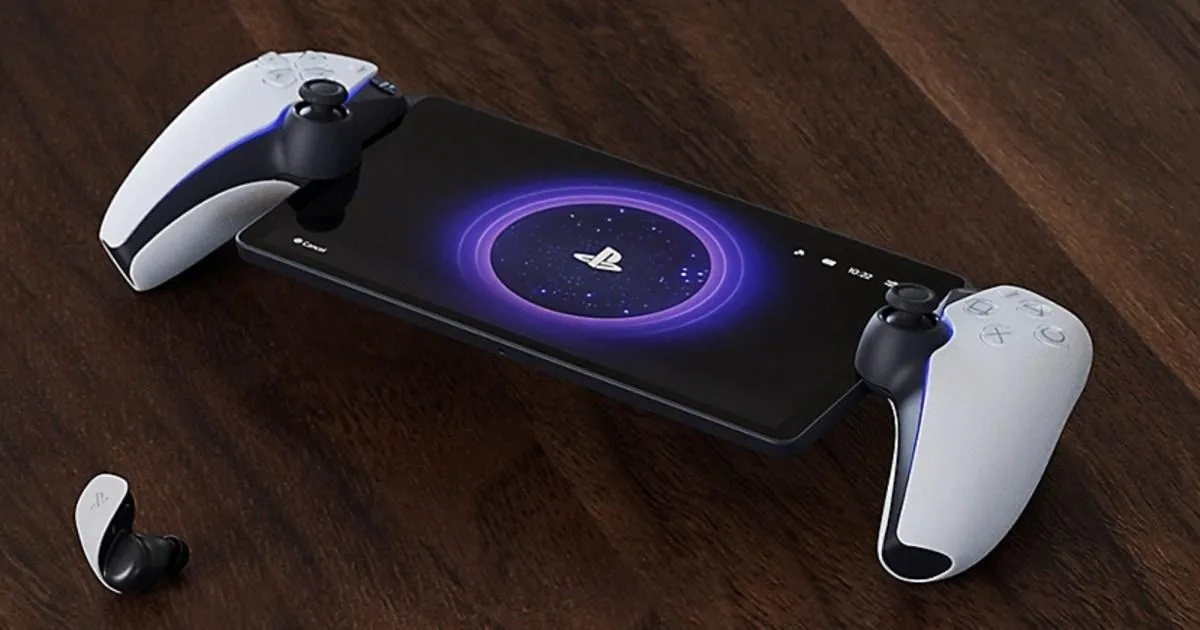
The idea of portability has been a recurring theme in PlayStation’s strategy discussions. Multiple reports and hints indicate the upcoming console may include a portable variant, though specifics remain unclear. Nishino acknowledged that while the PS6’s primary function is as a home console, the team is exploring ways to integrate it with other devices. This includes evaluating the feasibility of a handheld model, similar to the PS Vita or a hybrid system akin to the Nintendo Switch.
‘PlayStation has long been strongly associated with the idea of playing in the living room,’ Nishino said. ‘However, in recent years, more users globally have been using personal monitors. In response, we are selling peripherals such as monitors and speakers to break away from the fixed perception that ‘PlayStation equals the living room’ and to broaden usage scenarios.’
The CEO’s comments reflect a broader trend in gaming: the growing preference for personal entertainment setups. With more players adopting PCs and mobile devices during lockdowns, Sony is keen to maintain its relevance by offering options that cater to diverse lifestyles. While the exact form of a portable device remains speculative, Nishino stressed that the PS6’s design will focus on creating a seamless experience across platforms.
Pricing Strategy and Cost Concerns
During the same session, Nishino addressed the PS6’s pricing strategy. He noted that rising component costs could influence the final price tag, with rumors suggesting the console might cost over £1,000 in the UK. ‘As for pricing, it is not realistic for us to absorb all component cost increases,’ he explained. ‘We have already implemented some price increases outside Japan, and sales are proceeding as planned.’
Despite these adjustments, Nishino assured investors that the PS6 will not be sold at a ‘significant loss.’ He emphasized the importance of aligning hardware costs with perceived value, a strategy that has been tested in previous console launches. ‘We are carefully monitoring the market and continuing to evaluate our approach,’ he added. ‘Our goal is to ensure customers understand the value we deliver in relation to pricing.’
Analysts speculate that the PS6’s price could reach £1,000 if raw material costs, reportedly around £730, are combined with additional manufacturing and marketing expenses. While this would make it one of the most expensive consoles to date, Nishino argued that the investment is justified by the enhanced capabilities and immersive experience the PS6 promises.
AI’s Role in PlayStation’s Future
Another key focus of the Q&A was the integration of artificial intelligence into PlayStation’s ecosystem. Nishino highlighted how AI is being used to detect fraudulent activities on the PlayStation Store, a critical step in maintaining trust among users. ‘With the introduction of AI, we are now able to analyse data at scale much more quickly,’ he stated. ‘We are seeing strong progress in advancing data utilisation, which is essential for managing the Store’s massive transaction volume.’
‘Currently, AI engines are being used to assess transaction reliability with a high degree of sophistication, contributing to the prevention of fraud,’ Nishino added. ‘Going forward, our focus is on providing a platform that enables creators to monetise more effectively and efficiently.’
The CEO also discussed AI’s role in game development, noting that Sony is leveraging it to streamline workflows and enhance creativity. ‘As a creative entertainment company, we prioritise our creators,’ Nishino said. ‘AI enhances their work by removing repetitive tasks and enabling faster iteration. This includes the use of synthetic assets, such as synthetic voices, as early placeholders during development.’
While some developers have faced challenges with AI-generated content, Nishino framed the technology as a tool for innovation rather than a cost-saving measure. ‘This is less about efficiency and more about improving quality and development speed,’ he clarified. ‘For many years, AI has been deeply embedded in our processes, and we are increasingly seeing its impact on the creative workflow.’
Long-Term Vision for PlayStation
Looking ahead, Sony’s vision for the PS6 extends beyond hardware specifications. Nishino outlined the console’s ambition to offer a unique value proposition, distinguishing it from competing platforms like PCs and mobile devices. ‘Rather than simply serving as an alternative to PCs, we aim to deliver experiences that are inherently PlayStation,’ he said. ‘This includes technological advancements and a broader range of usage scenarios that align with modern player habits.’
The CEO’s emphasis on ‘usage styles’ suggests that the PS6’s mobility could take various forms. Whether it’s a compact handheld, a docking system for laptops, or a hybrid model that combines console and portable elements, Sony is targeting a future where gaming is no longer confined to a single room. This shift is part of a larger effort to adapt to evolving consumer behaviors, particularly as remote work and digital lifestyles become more prevalent.
While the PS6’s portable component remains a topic of debate, the Q&A provided a glimpse into Sony’s strategic priorities. Nishino’s comments underscore the company’s commitment to innovation, even as it navigates the challenges of balancing cost and value. As the gaming industry continues to evolve, Sony’s approach to the PS6 could set a new standard for console versatility and user engagement.
With the PS6’s development entering a critical phase, the focus on portability and AI integration signals a bold reimagining of the PlayStation brand. The potential for a handheld device, combined with the console’s expanded functionality, could redefine the gaming landscape. As Nishino reiterated, the goal is not just to compete in the current market but to shape the future of interactive entertainment.
For players who have embraced PC gaming during the pandemic, the PS6’s broader appeal could serve as a strong incentive to return. By embracing a more flexible model, Sony aims to retain its core audience while attracting new users who value convenience and innovation. The company’s ability to execute this vision will be key to its long-term success in an increasingly competitive market.
As the rumors of a handheld PS6 persist, the details may still be in flux. However, the CEO’s statements make it clear that Sony is actively pursuing options that allow the PlayStation experience to adapt to a wider array of lifestyles and environments. Whether through a standalone device, a hybrid system, or an integrated solution, the PS6’s design is set to challenge the traditional boundaries of console gaming.