
Raise the Colours Figure Faces Charges of Child Exploitation via Digital Imagery
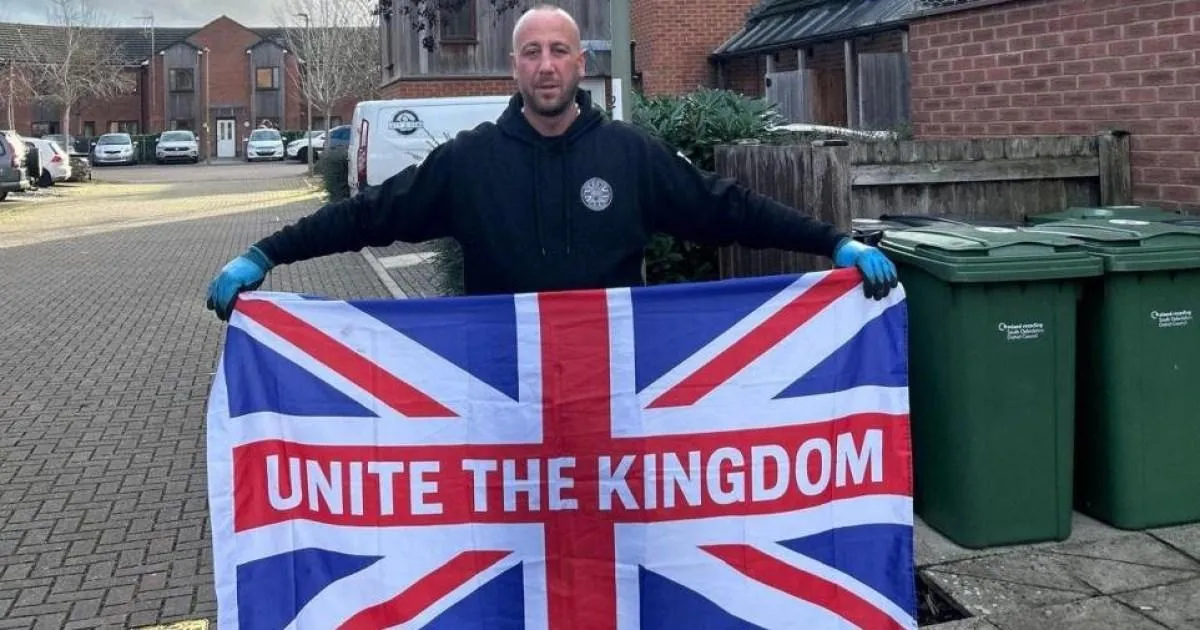
Raise the Colours figure accused of making – A prominent member of the Raise the Colours flag activism collective is set to face court proceedings after being charged with producing indecent images of children. The 45-year-old, identified as Ben Cullen from Wallingford, is accused of creating 22 photographs classified under the most severe category A, including one video file. Additionally, he allegedly generated 36 category B “pseudo-photographs” and 20 category C images on the same date, according to reports from the Oxford Mail.
Legal Definitions and Pseudo-Photograph Controversy
Among the charges, the creation of pseudo-photographs has sparked debate. These images, defined as those generated through artificial intelligence or digital manipulation, are legally considered indecent even if they depict no actual children. The case highlights the broad scope of the law, which now encompasses both real and synthetic representations of minors in explicit content. This classification has drawn attention to the potential for technology to be used in the production of child exploitation material.
“A pseudo-photograph is an image created using AI or graphics tools, and even if the original picture was not of a real person, it falls under the law,”
As the legal battle unfolds, the implications for the flag activist movement remain significant. Cullen’s actions have not only led to his individual charges but also raised questions about the broader group’s association with his alleged misconduct. The movement, which gained momentum in the UK following anti-immigration protests, has seen its reputation challenged by the accusations against its member.
Origins of the Movement and Growing Tensions
The community-driven initiative, known as Raise the Colours, first emerged in response to nationalistic sentiments and public debates on immigration. Last year, it became a symbol of grassroots activism as participants hung flags on lampposts and roadsides to express their views. However, the recent legal accusations against Cullen have prompted the wider group to take a distancing stance, emphasizing a lack of prior knowledge about his activities.
“Raise the Colours wishes to make clear that we were not aware, and have never previously been aware, of the allegations reported concerning Ben Cullen (Raise the Colours Oxfordshire),”
The group’s social media statement further clarified that Cullen was not officially affiliated with the movement. It noted that while some members might have participated in flag-raising activities with him, this does not equate to a formal connection. The organization now asserts that the alleged behavior of Cullen is unrelated to the core mission of the group, which they claim focuses on national pride and community identity.
The situation has escalated to the point where Oxfordshire County Council has intervened to regulate flag placement. Last week, the council secured a High Court injunction against Cullen, Kevin Good, Ryan Bridge, and Trudy Wells, as well as any others attempting to hang flags on public infrastructure. This legal measure comes after persistent complaints from residents in areas ranging from Adderbury to Wallingford, who cited safety risks, intimidation tactics, and emotional distress linked to the unauthorized flag installations.
Council’s Stance and Legal Implications
Speaking on the matter, Councillor Tim Bearder, the leader of the county council, emphasized the importance of the injunction in safeguarding the community. “We’re pleased with this result. The injunction helps protect our residents and our workforce and supports our responsibility to keep the highway safe,” he stated. Bearder added that the decision was not about the flag itself but about addressing the unlawful behavior that has persisted for nearly a year.
“This is not, and never has been, about the flag. We proudly fly the Union Flag and St George’s flag at County Hall and we fully support the right of residents to display their own flags – including to show their support for the England football team,” Bearder continued. He highlighted that the movement’s actions have deviated from its intended purpose, creating a sense of unease among the public.
The legal proceedings against Cullen mark a pivotal moment for the movement, which has long been associated with pro-British sentiment. The case has the potential to redefine the group’s image, shifting focus from its original goals to the individual’s alleged misconduct. This development has also led to a reevaluation of the collective’s role in public demonstrations and the responsibilities of its members.
Meanwhile, the council’s proactive measures reflect a growing concern over the impact of the movement on local infrastructure and safety. The injunction not only targets Cullen but also aims to prevent similar incidents in the future. Residents who have expressed frustration over the visual clutter and associated risks now find some relief in the legal action taken against the flag-raising activities.
Broader Context and Future Outlook
As the case progresses, it will likely set a precedent for similar legal challenges involving digital imagery and public activism. The inclusion of pseudo-photographs in the charges underscores the evolving nature of child exploitation laws, which now encompass technology-driven content. This expansion of legal definitions raises new questions about the balance between artistic expression and the protection of minors.
The controversy surrounding Cullen also serves as a reminder of the complexities involved in grassroots movements. While the Raise the Colours group has been a source of pride for some, its association with his actions has led to public scrutiny. The council’s decision to take legal action signals a broader effort to enforce order and protect the interests of the community, even as it acknowledges the right to display flags.
As the trial approaches, the outcome could have far-reaching consequences for both the individual and the movement. The case may influence future discussions on the ethical boundaries of public activism and the role of technology in expanding the scope of legal offenses. For now, the focus remains on the legal process, with the hope that it will clarify the responsibilities of those involved in the Raise the Colours initiative.
Additionally, the ongoing legal battle has been accompanied by other news stories that reflect similar societal concerns. For example, recent reports highlight the tragic case of a 2-year-old girl who was allegedly abused and murdered by her mother and boyfriend in a campaign of violence. These interconnected stories underscore the broader implications of acts that challenge social norms and legal frameworks.
As the community grapples with the fallout from Cullen’s alleged actions, the future of the Raise the Colours movement remains uncertain. While some may see this as a necessary step to address the movement’s more extreme elements, others could argue it risks undermining the collective’s original message. Regardless of the outcome, the case will continue to spark conversations about the intersection of activism, law, and the digital age.
This site is protected by reCAPTCHA and the Google Privacy Policy and Terms of Service apply. Your information will be used in line with our Privacy Policy.